Textile RFID Laundry Tag for Hotels & Resorts in United States
RFIDAK supplies textile UHF laundry tags for hotels & resorts in United States. Compare the eight model sheets, specify the textile and complete laundry process, and validate the selected chip, attachment and regional UHF reader setup. The standard tags-and-labels MOQ baseline is 1,000 pieces; confirm configuration, production and delivery terms in the quotation.
Procurement brief — United States
Why source textile rfid laundry tag for hotels & resorts in United States
RFIDAK supplies UHF textile laundry tags for hotel sheets, towels, bathrobes and uniforms. Its eight textile model sheets distinguish dimensions, backing and process limits, with UCODE 8 / 9 options to confirm in the order. For an in-house laundry, test the full wash and finishing process on representative hotel textiles. For outsourced processing, obtain the contractor's process and reader requirements before selecting the tag. The standard MOQ baseline is 1,000 pieces; model, encoding, sample and freight costs are confirmed in the quote.
Check the installed system — United States hotel
Use a compatible UHF EPC Gen2 reader configured for the US installation. Confirm the hardware, firmware, antenna positions and operating settings with the integrator. Validate wet intake, clean stacked textiles and dispatch carts on the production setup, including reads from adjacent loads. The hotel room-key reader is a separate credential workflow. Approve EPC-to-linen mapping and software imports rather than assuming the tag alone connects to the property management system.
Industry summary
Hotels and resorts may use RFID for guest room keys, pool access, staff credentials, guest-service interactions and linen tracking. These are separate systems with different reader, software and key-management requirements. A card or wristband should be selected only after the installed lock and encoder specifications are known. Silicone can improve comfort in wet guest areas, but durability and access behavior depend on the finished construction and site conditions. If a guest credential is also proposed for payment, the payment provider must approve the complete workflow.
5-point deployment checklist
Use these planning checks with your supplier and system integrator. Agree the test and approval criteria before ordering for United States.
- 1
Record each textile class, available attachment area and the exact candidate model.
- 2
Specify temperature and duration for wash, dry, ironing and any sterilization stage, with chemicals and mechanical loads.
- 3
Approve the model-specific sewing, pouch, hem or heat-sealing instruction on the production textile.
- 4
Confirm the country, UHF reader and antenna setup, known item counts and reading window for wet and dry loads.
- 5
Agree EPC format, factory TID mapping, printed identifiers and software import checks.
- 6
Set process checkpoints and acceptable read, physical and attachment failures before running the pilot.
- 7
Confirm sample terms, configuration changes, order quantities and delivery requirements before bulk approval.
Shipping textile rfid laundry tag to United States
For United States, confirm the finished textile rfid laundry tag specification, order quantity, named delivery place and required arrival date. Ask for production and transit estimates separately. The importer or customs broker should confirm the finished article's classification, duties and required documents. For incoterm definitions, the full document checklist, and freight-planning detail, see ourshipping & incoterms guide.
Pilot planning examples
Illustrative scenarios for defining a sample test. These are not customer results or performance guarantees.
Example 1
Pilot scenario — in-house hotel laundry: start with representative sheets, towels and robes from one property. Compare attachment positions for comfort and handling, then verify the same known quantities at wet intake and clean pack-out before and after the agreed processing.
Example 2
Pilot scenario — outsourced linen service: agree which party attaches tags, owns the EPC-to-item records and handles exceptions. Test mixed property loads and missing-item reports with the laundry provider before adding more properties or replenishment stock.
Recommended RFIDAK SKUs
These are candidates to assess for hotels & resorts projects in United States; approve the exact configuration after testing.
RFID Tags
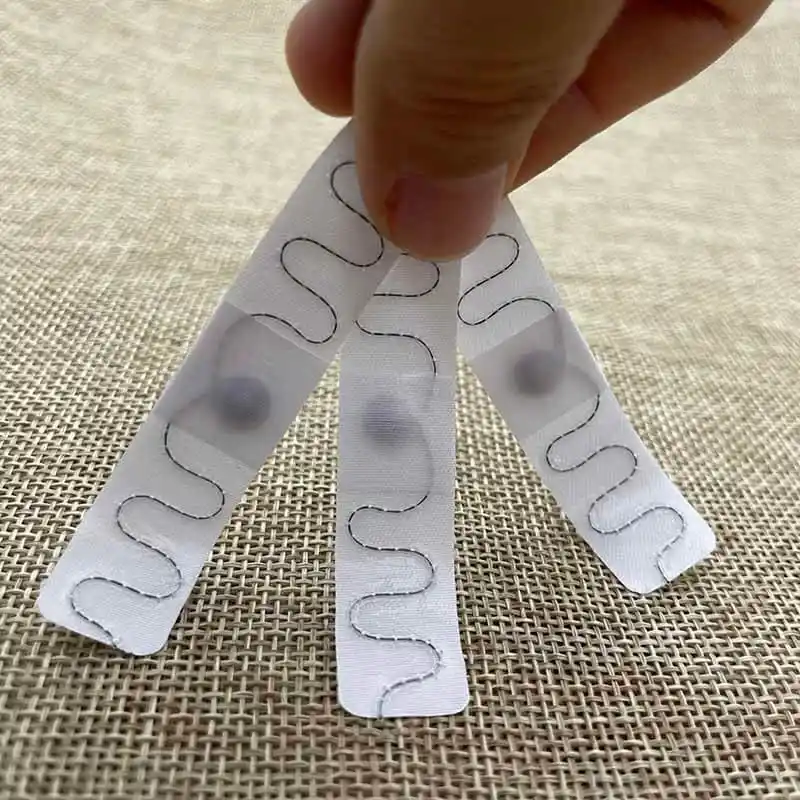
Textile RFID Laundry Tag
Textile UHF RFID laundry tags identify individual linens, towels and uniforms through commercial laundry workflows. Compare eight fabric tag…
RFID Tags
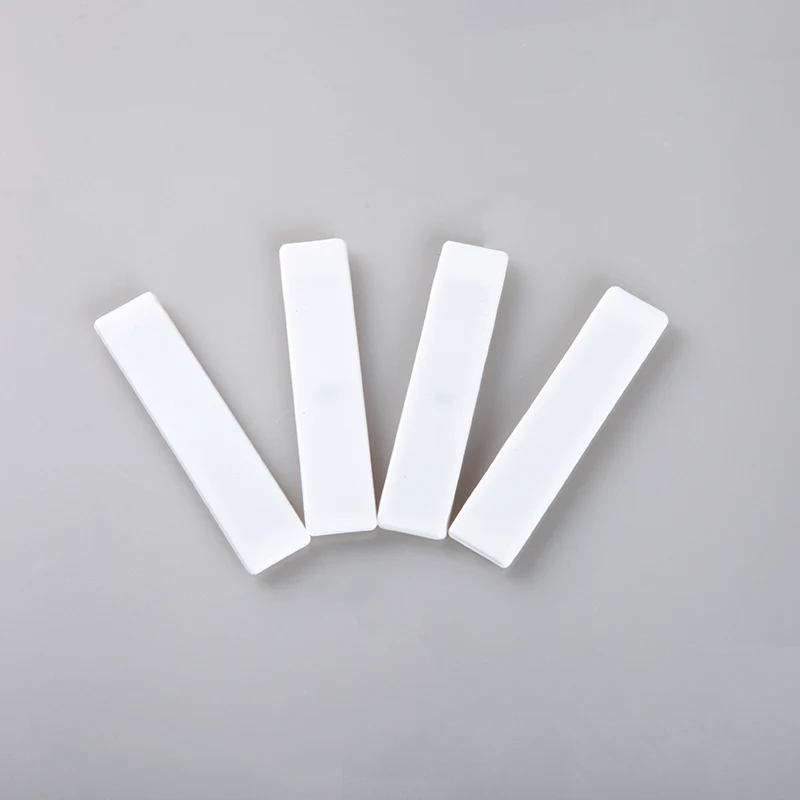
Silicone RFID Laundry Tag
A silicone RFID laundry tag uses a flexible strip body for linen, uniforms and garment identification. The reference construction in the sup…
Frequently asked — United States hotel buyers
How should a US hotel plan a textile tagging pilot?▾
Choose representative linen classes and record the model, chip, attachment and item identifiers. Agree process checkpoints and pass/fail criteria with the laundry operator. Test reading, physical condition and attachment retention after the actual wash and finishing stages. Expand after the agreed sample approval rather than applying a fixed timetable to every property.
What reader setup is needed for US hotel linen tracking?▾
Use a compatible UHF EPC Gen2 reader with appropriate US regional settings. Antenna count, placement, power and filtering depend on the cart, load density, moisture and movement speed. Validate missed reads and neighboring-load reads with a known item count. A hotel lock or ordinary HF/NFC desktop reader does not perform this UHF inventory task.
What MOQ and shipping information should a US buyer request?▾
The standard MOQ baseline is 1,000 pieces; confirm the chosen model and configuration in the quote. Give the sample and bulk quantities, destination and required arrival date. Agree sample charges, setup, unit price, freight and production readiness separately. Confirm the current import classification, duties and documents with the importer or customs broker.
Can one wash-cycle claim cover textile, silicone and PPS tags?▾
No. Published figures describe a construction under stated conditions. Compare the selected tag and attachment with the actual wash, drying, finishing, chemicals and extraction process. If a model sheet leaves a test condition unspecified, resolve it before approval. The chip name or material category is not a service-life guarantee.
How do laundry tags connect with our hotel or laundry software?▾
Agree the EPC numbering scheme, printed identifier and item record with the software provider. Specify any encoding or locking in the order, then validate the read-back file and software import. Readers and middleware collect observations; the application assigns inventory and return events. Confirm data ownership and exception handling when a laundry contractor operates the system.
Ready to source textile rfid laundry tag for United States?
Share your model shortlist, complete process and reader setup. Confirm sample terms, acceptance criteria, pricing and the delivery plan before bulk approval.
Request a Laundry Tag QuoteTest RFID Samples Before You Order
Free stock samples (up to 5 pieces) — buyer covers DHL/FedEx freight ($25–60), refunded 1:1 against the first production order over $500. Custom samples may cost extra. Confirm the sample configuration, availability and dispatch date before shipment.
Request the RFIDAK product catalog (PDF). Our team will reply by email.
We'll only use your email to send the catalog and reply to your inquiry.