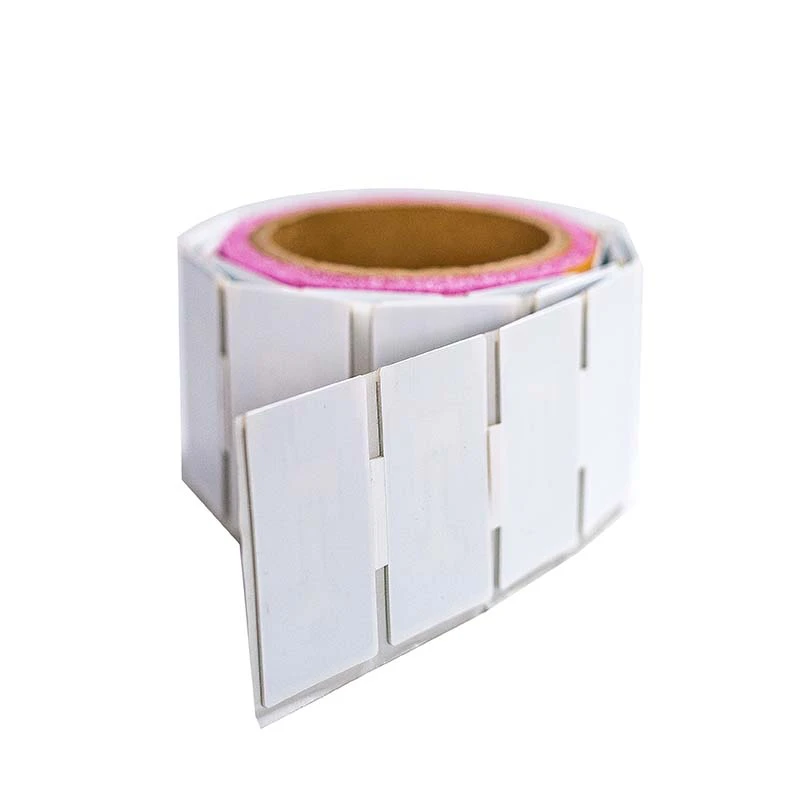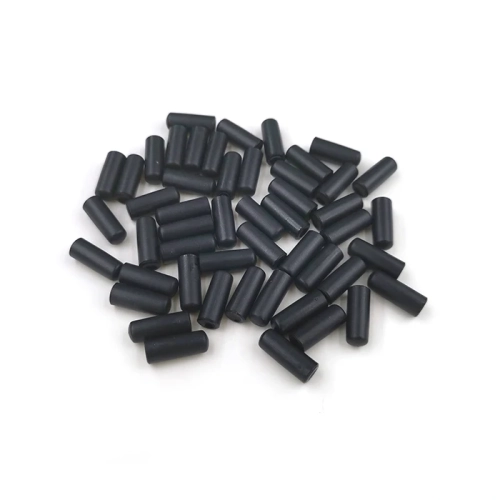
Mini Bullet RFID Tags
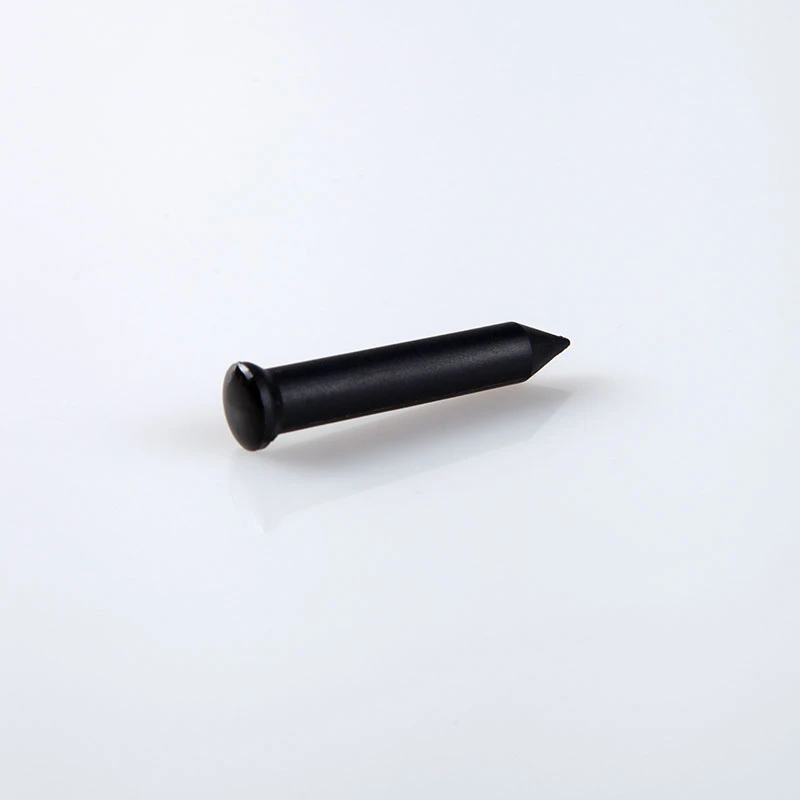
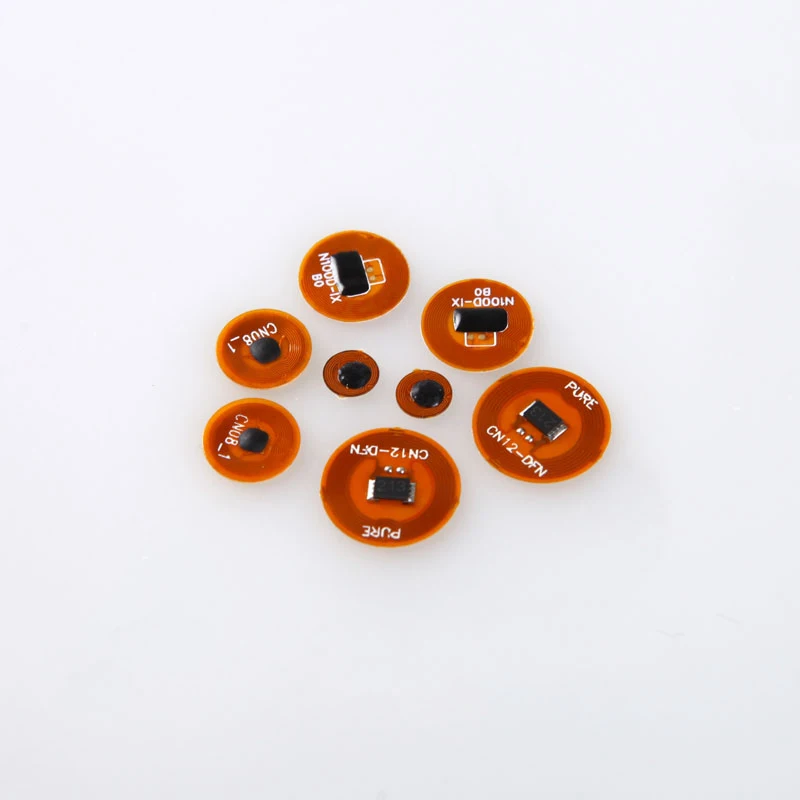
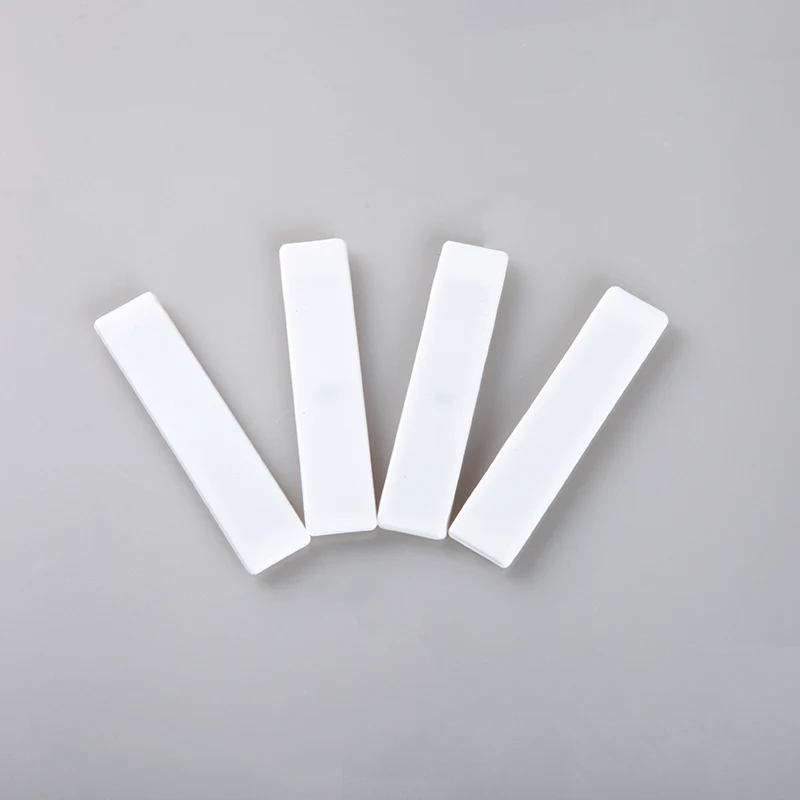
Mini bullet RFID tags enclose an LF or HF transponder in a small rigid body for embedding in non-metal parts. Compare the 15.5 × 4.5 mm TSG4107 and Ø7 × 18…
Product selection · 23 catalog options
Industrial RFID tags identify an object at a reader checkpoint. Choose the installation and reader protocol together: a textile laundry tag, a mounted metal-asset tag and a tyre transponder need different constructions. Use the product guides below to define attachment, encoded data and a representative sample trial before approving production.
Explore the range
Mini bullet RFID tags enclose an LF or HF transponder in a small rigid body for embedding in non-metal parts. Compare the 15.5 × 4.5 mm TSG4107 and Ø7 × 18…
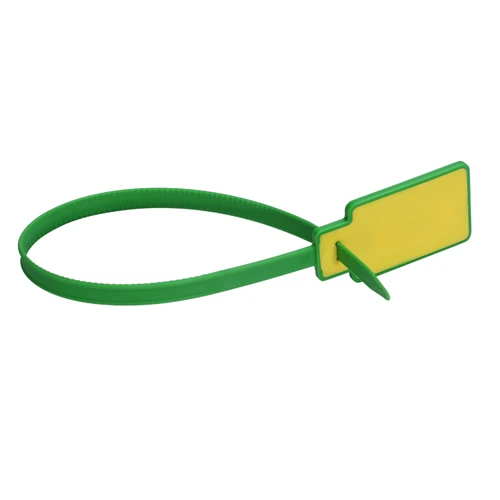
Choose a nylon tie or steel-cable seal by flag size, fastening geometry and chip. ZD006 has a 282 mm tail and a 79 × 28 mm flag; TZD002 uses a 105 × 30 ×…
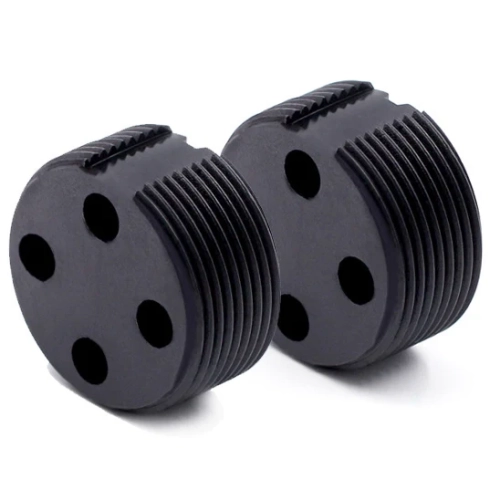
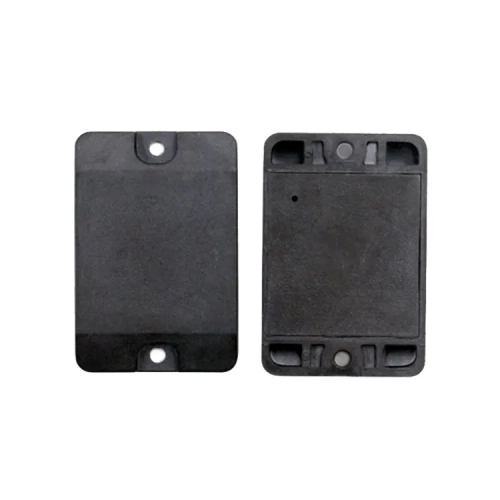
TWT3015 is a Ø30 × 15 mm ABS and epoxy RFID housing for non-metal waste-bin installations. The 8.5 g body can be specified with an LF, HF or UHF…
RFID nail tags embed a rigid ABS transponder in wood or another suitable non-metal item. TNT3608 is the smaller LF/HF reference; TNT4012 is the larger UHF…
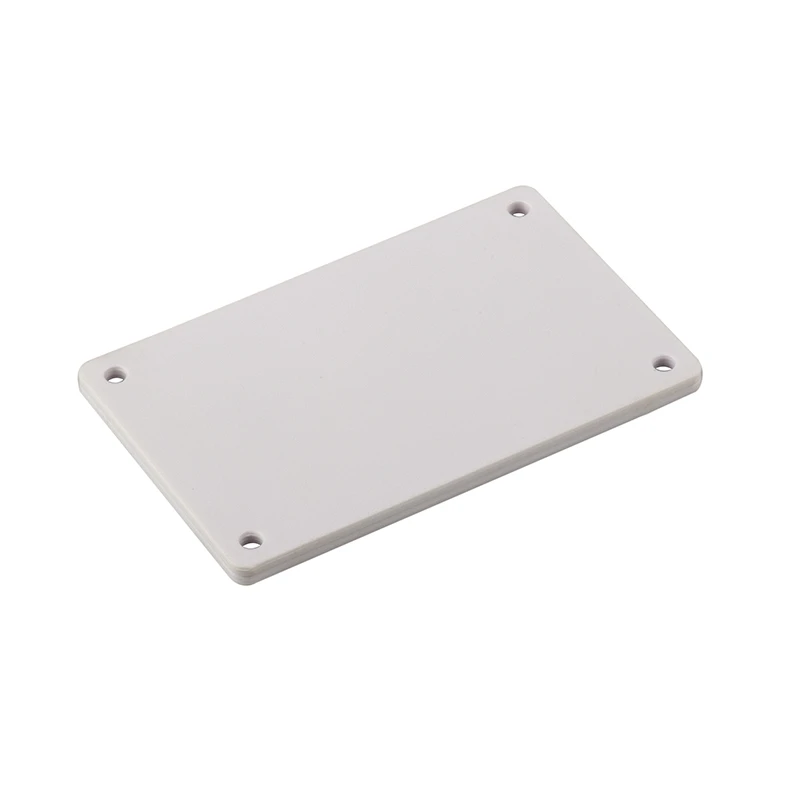
TTP8654 is an 85.6 × 54 × 4 mm rigid ABS UHF tag for pallet and returnable-asset identification. Its published configuration uses Alien Higgs-3 and is…
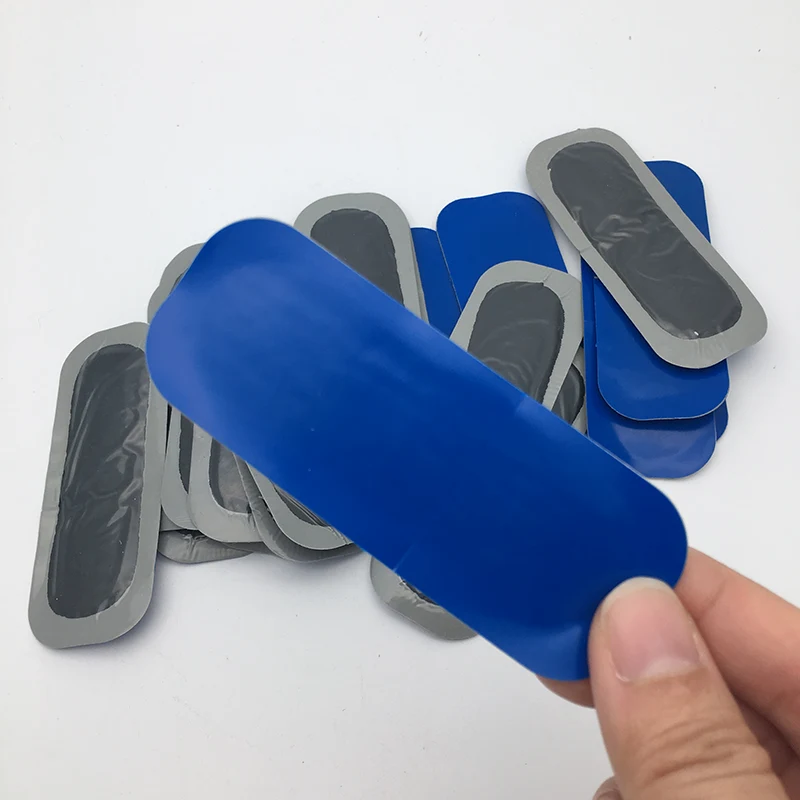
TLT9535 is a 95 × 35 × 4 mm passive UHF patch-format tire tag. It is used for tire identification with a matched reader and application record; the patch…
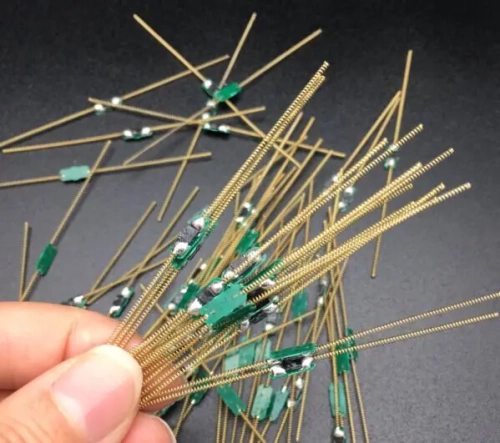
TLT8401 is an embedded spring-antenna UHF transponder referenced in the archived catalog at 84 × 1 mm and 50 × 1 mm. It is a tire-manufacturing component,…
Compare high-temperature RFID tags by both enclosure size and exposure condition. TGW4631 is a 46 × 31 × 7.5 mm UHF tag; its published −25 to +95 °C…
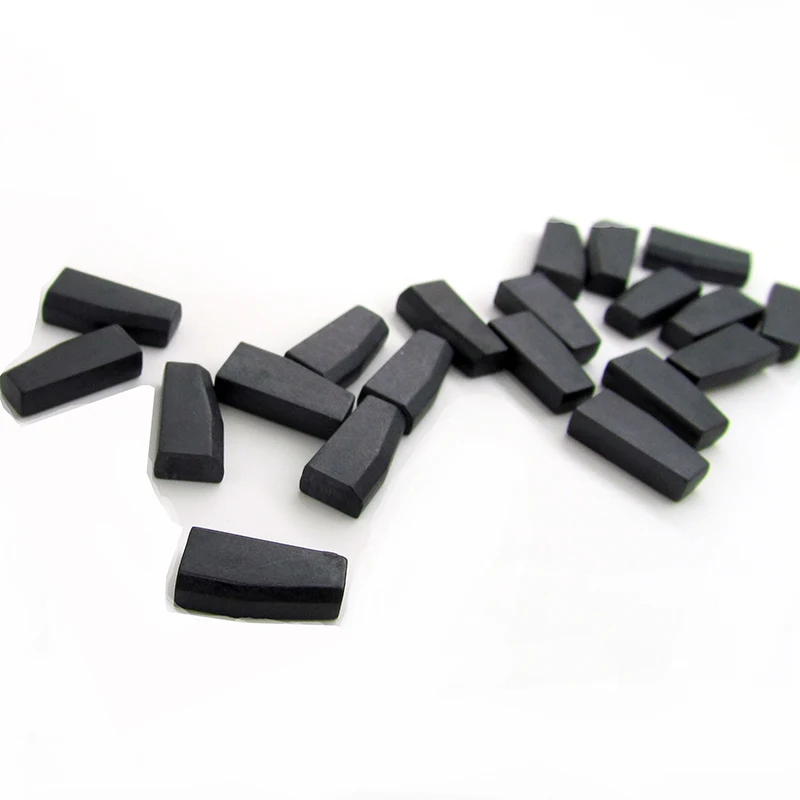
Rigid LF wedge transponders are compact components for embedding in keys or molded parts. Published housings measure 12.75 × 5.71 × 3.1 mm or 12.15 × 5.71 ×…
Flexible PI RFID components are available in round Ø6–20 mm and small rectangular formats for embedding in accessories and OEM parts. NTAG and MIFARE…
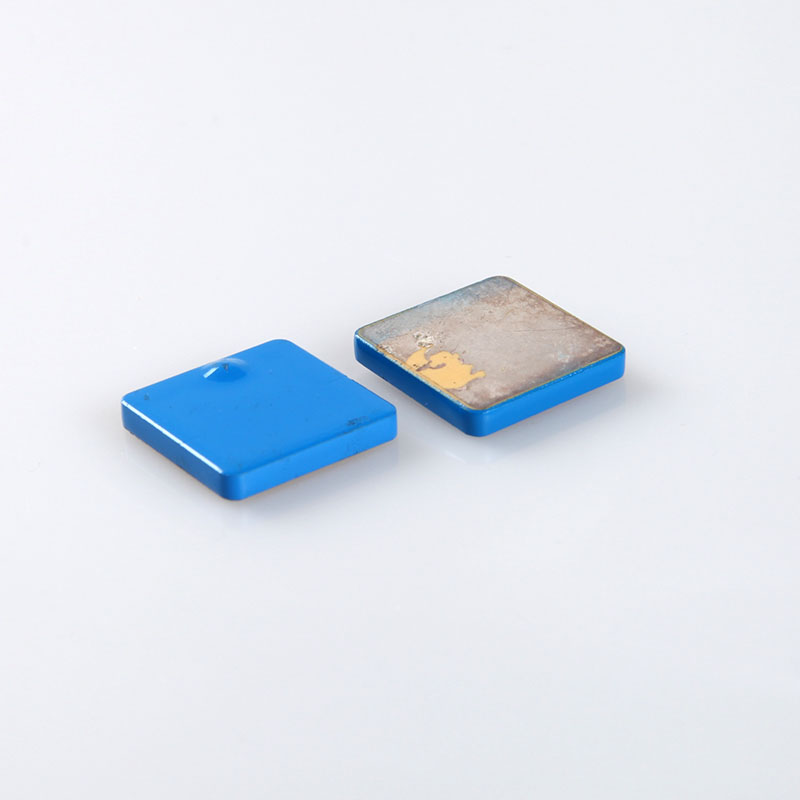
Seven published ceramic UHF formats range from Ø10 × 3 mm to 30 × 30 × 3.7 mm. Select the footprint for an asset recess, then match the chip and regional RF…
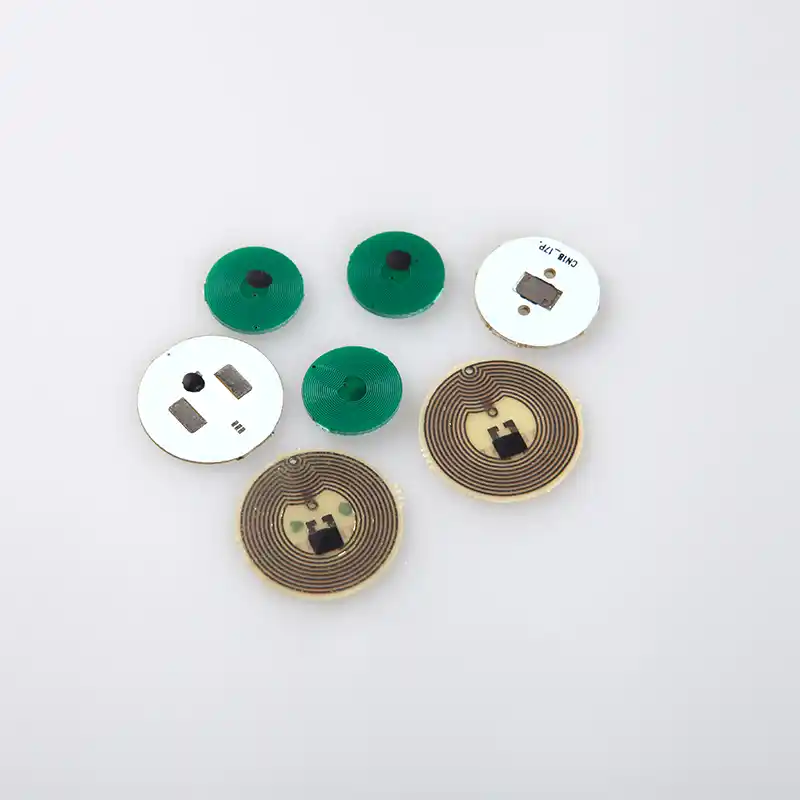
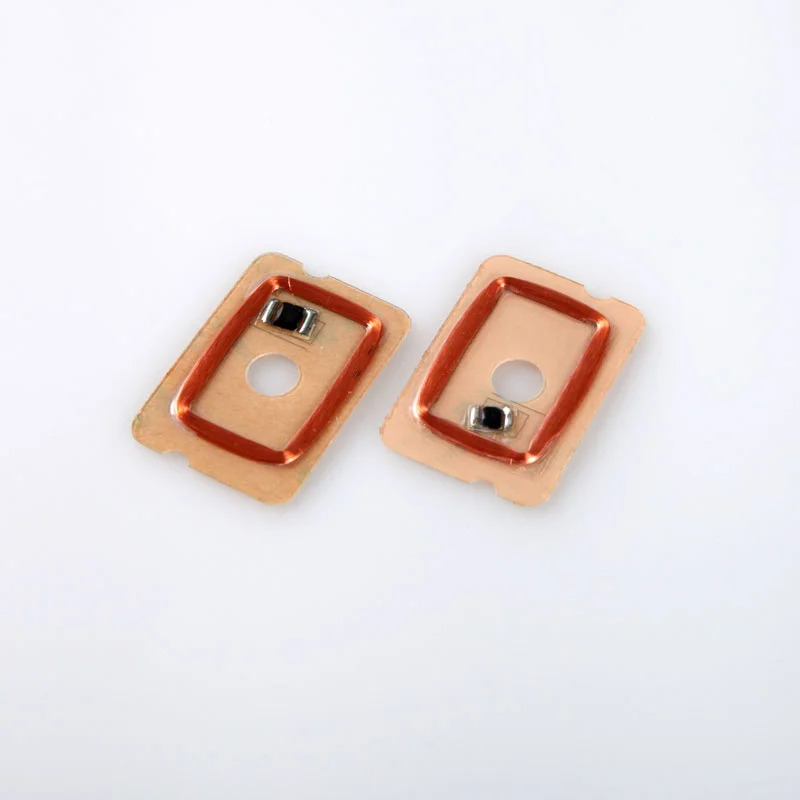
The archived HF PCB catalog lists seven rigid FR4 outlines, including Ø8 × 0.3 mm and 11.5 × 4.7 × 0.17 mm components. These are 13.56 MHz accessory…
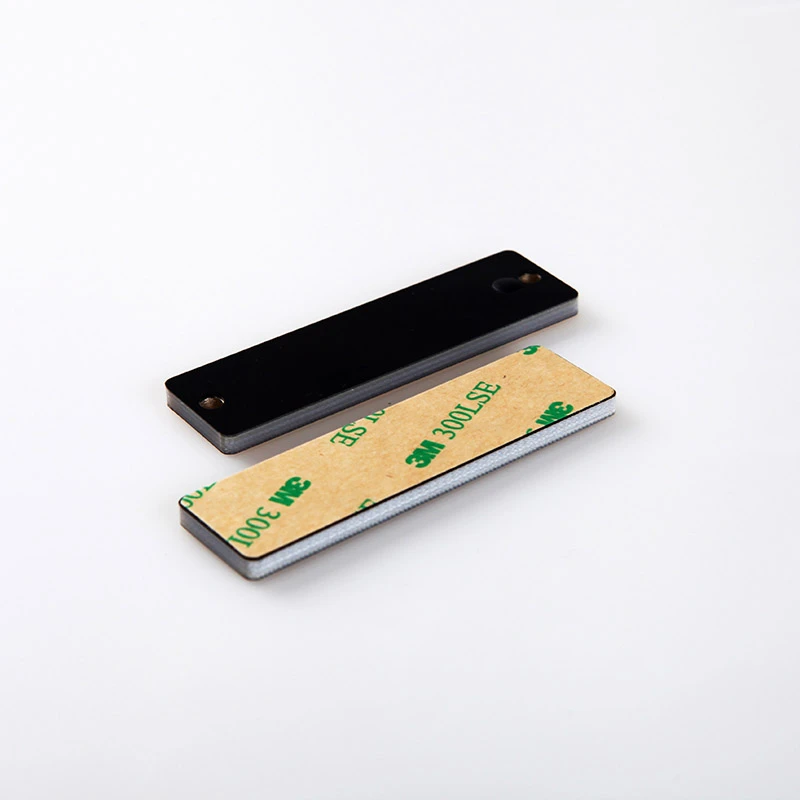
Compare 31 published PCB RFID footprints for metal assets, from miniature 3 × 7 × 2 mm parts to 95 × 25 × 2.5 mm tags. These rigid UHF components are…
TLD201 is a 55 × 12 × 2 mm, 1 g silicone laundry tag with an Alien H9 UHF reference. Compare the flexible body with PPS buttons and textile tags, and keep…
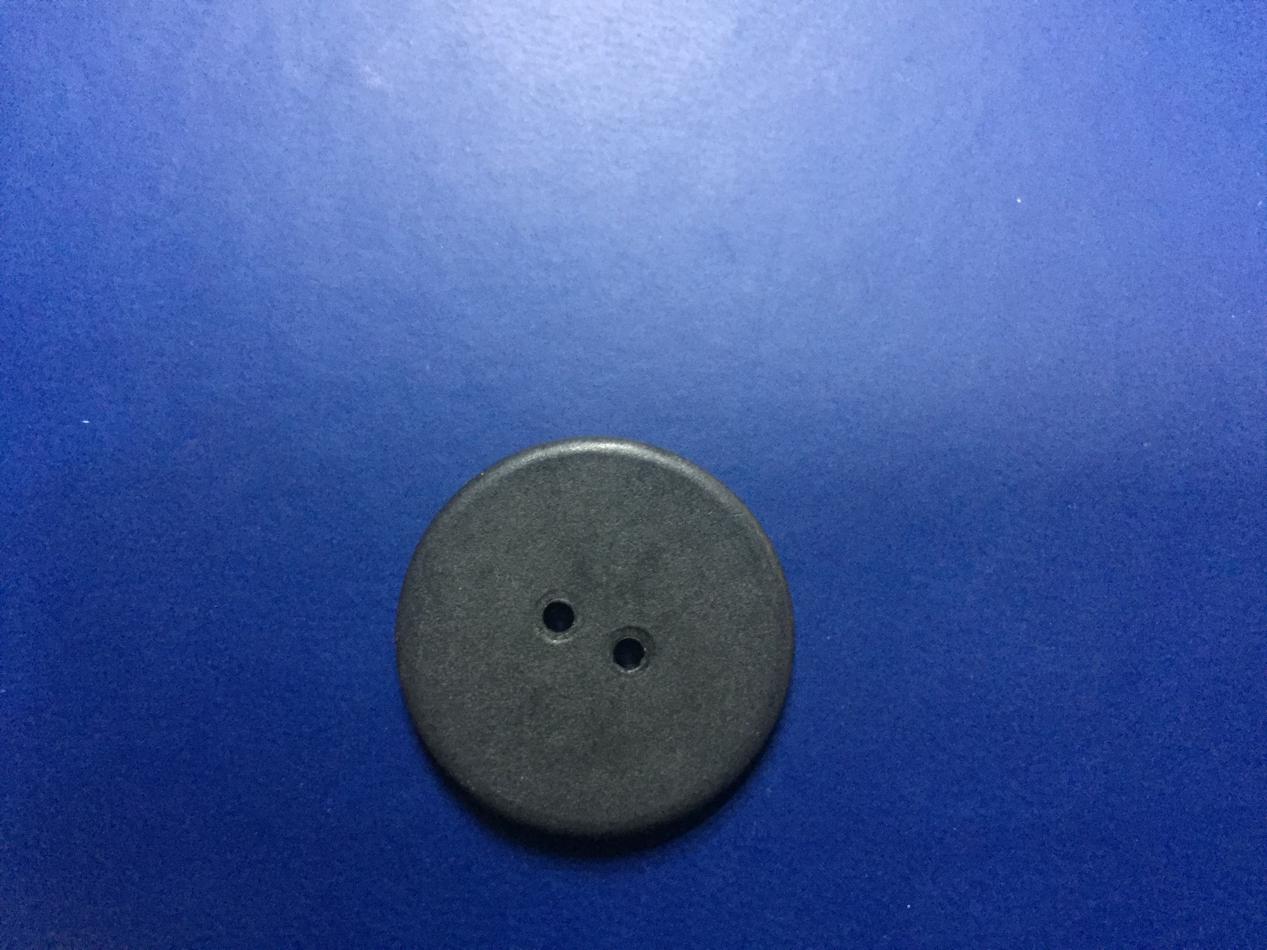
PPS laundry transponders use a rigid disc or button body. The published general family includes Ø10–30 mm discs at 2 mm thickness; a separate UCODE 7/7M UHF…
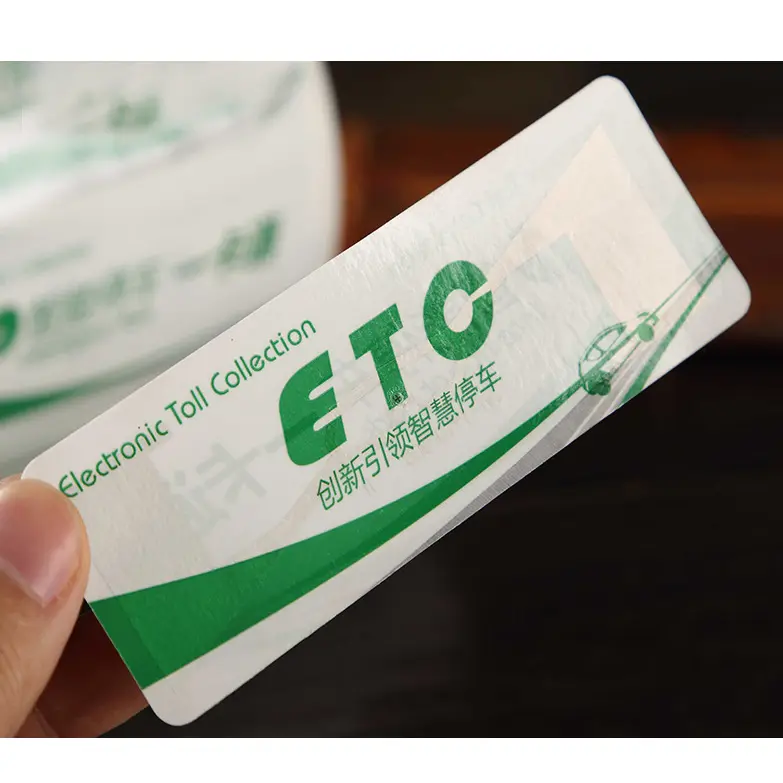
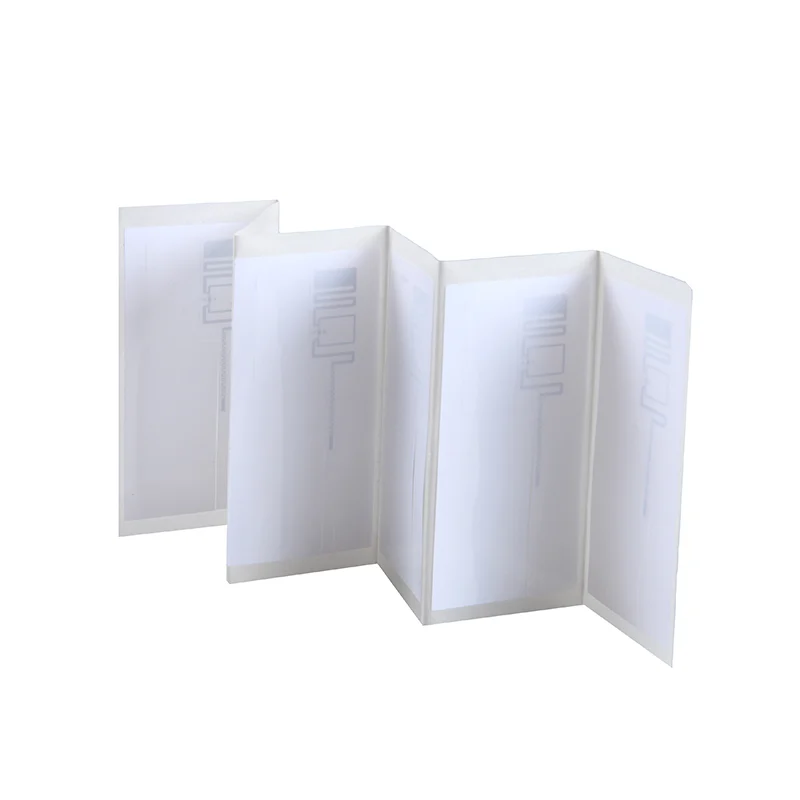
The published 100 × 25 mm windshield label is a paper/PET UHF format with destructive construction and an Impinj chip option. It is intended for compatible…
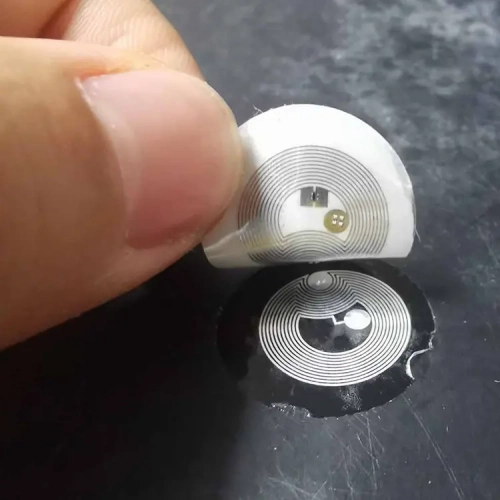
Tamper-evident labels can show physical removal or use a chip-specific tamper loop. Compare the 25 × 25 mm destructive-label reference with the NTAG424 DNA…
The 120 × 15 mm published jewelry-label format combines a printable paper or PET face with an RFID inlay. LF is not listed for this reference; HF and UHF…
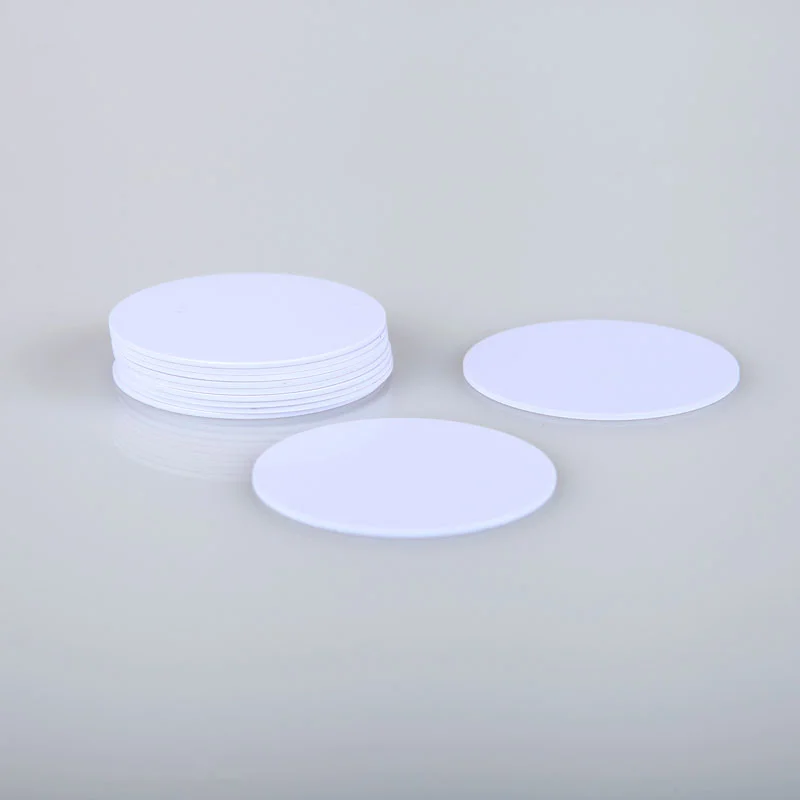
White PVC coin tags are available in eleven published diameters from 13 to 40 mm, each with a 1.5 mm reference thickness. For phone-readable NFC, choose a…
Transparent PVC RFID coin tags expose the antenna through the encapsulation and can be embedded or supplied with adhesive. The published round reference…
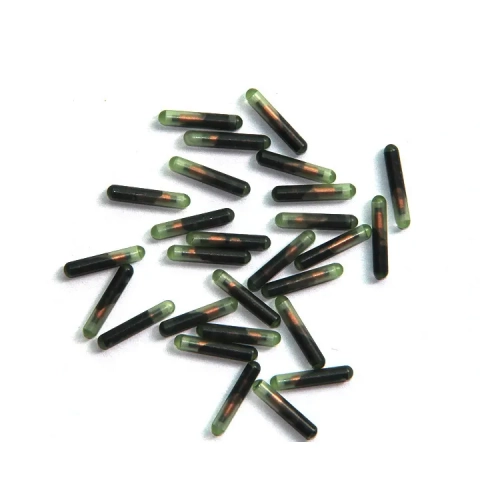
Sealed glass transponder capsules are available in eight published body sizes from Ø1.25 × 7 mm to Ø4 × 20 mm. These are LF components: chip protocol and…
PR3110 is a 31 × 10 × 1.0 mm printable on-metal UHF label using Impinj M730. The white PET face supports thermal-transfer printing, with a 3-inch roll core…
Compare eight textile RFID laundry tag models by dimensions, attachment and documented process conditions. Plan a linen pilot with known item counts.
From shortlist to sample
Send the installation, reader and process conditions. We can review suitable tag configurations and a sample plan, with commercial terms confirmed for the selected build.
Buying questions
Use the selected model’s information and an agreed sample test for the final decision.
Start with the object, mounting method and installed reader. A tag for a metal tool, a linen seam and a tyre patch requires a different assembly and acceptance plan. Share the mounting area, reader protocol and complete service conditions, then choose representative configurations from the relevant product guide.
No. This catalog includes an HF PCB tag for integration projects and a separate UHF PCB family. A PCB describes a construction, not a radio protocol or universal metal compatibility. Confirm the exact chip, antenna, surrounding materials and finished installation before approving either option.
Compare the exact model and stated test conditions. The textile model sheets list individual wash, drying, ironing and sterilization conditions; those entries do not establish that one tag completed the same number of combined laundry cycles. Silicone-strip and PPS-button evidence must be reviewed separately. Agree an attachment and process trial for the selected construction.
The finished antenna and chip, reader power and antenna, regional configuration, orientation, object material and surrounding items affect the result. Define the intended read zone and where reads must stop, then test mounted samples. A housing size or RF band alone does not provide an installed-distance guarantee.
Confirm the exact chip and writable field first. A project identifier may be stored in suitable memory or mapped to a factory identifier; factory-programmed IDs are not universally rewritable. Approve a sample of the encoded data, printed code and mapping file, including duplicate and read-back checks.
The standard tags-and-labels planning baseline is 1,000 pieces, subject to confirmation for the selected housing, chip, print and encoding. Tooling or special constructions need their own quote. Confirm representative sample availability and charges under the sample policy, then agree production timing, inspection, freight and delivery terms after specification approval.
Continue your selection
Review the textile models and their individual test conditions before planning the process trial.
Define the on-metal installation separately from an HF PCB integration.
Review the proposed patch and tyre-maker-approved attachment before sampling.
Plan stock or custom samples, freight and the production-approval reference.
May we use Google Analytics cookies to measure visits and inquiry actions? Your choice does not affect the contact form. Cookie details