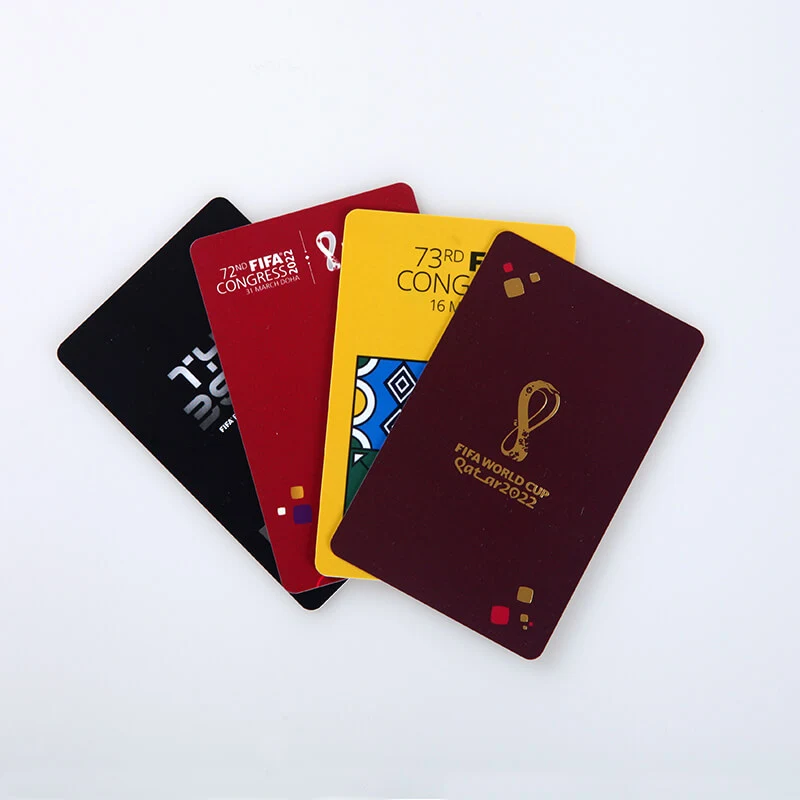
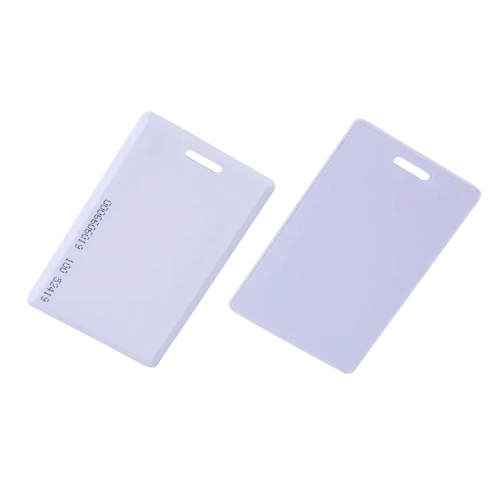
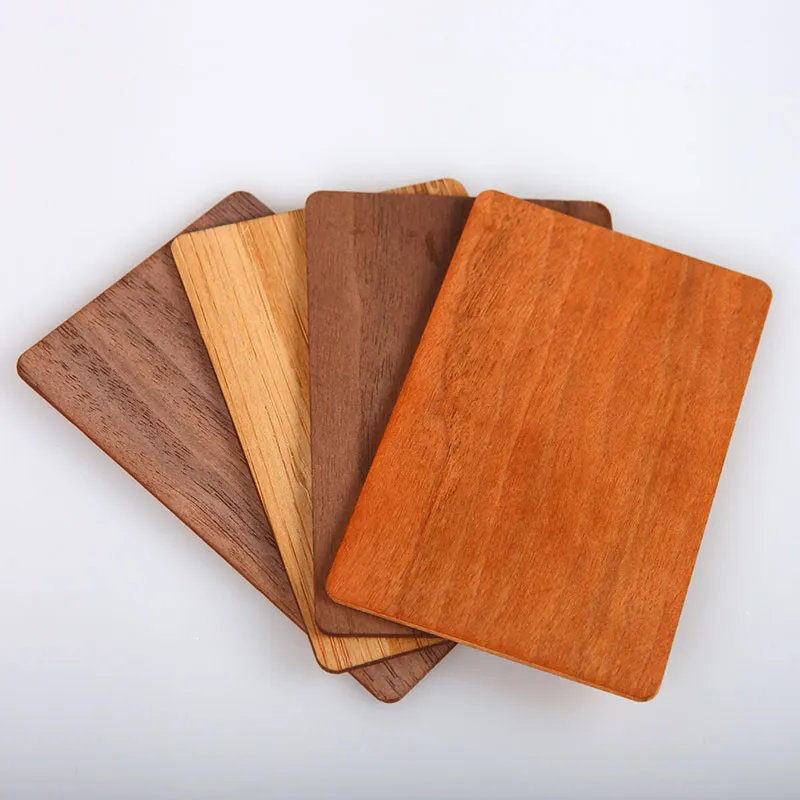
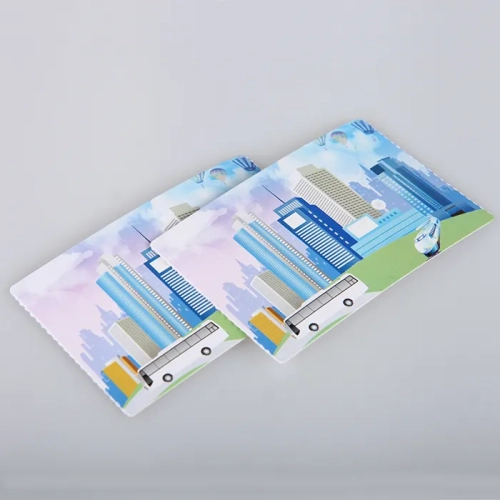
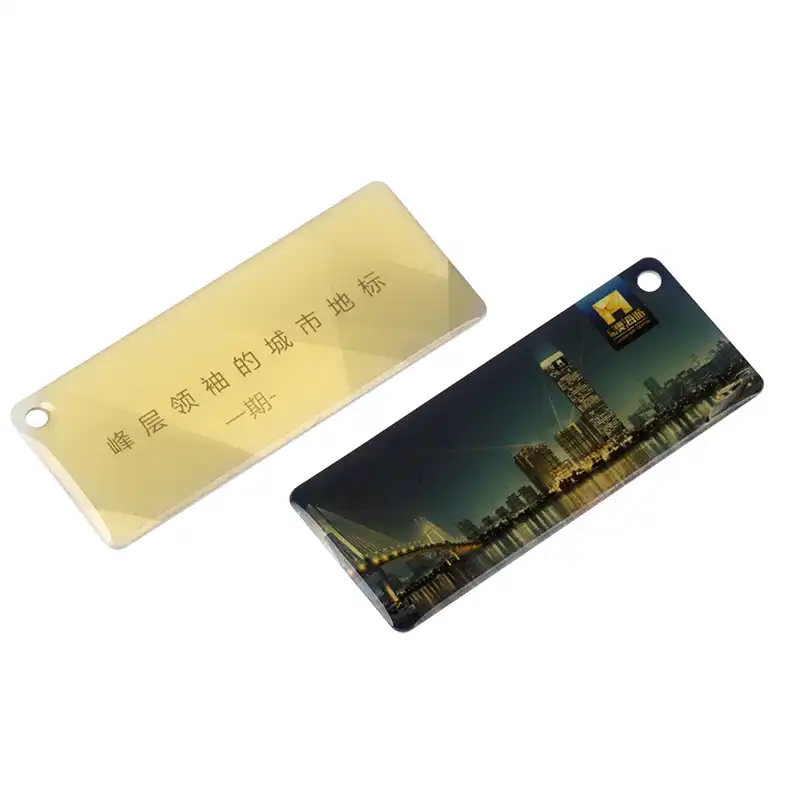
RFIDAK supplies plastic, clamshell, wood, paper and custom-shape RFID cards for conference badges, staff and visitor ID, membership, ticketing, NFC interactions and hotel keys. Choose the card body here, then confirm the chip, printing and encoding against your reader or phone workflow before sampling.
Match the current credential and issuance process.
Reader / lock model, software version, current chip and operator approval.
New access or campus project
Define application and security needs with the integrator.
Supported chip, data layout, provisioning and a complete sample transaction.
NFC phone interaction
Plan the content and experience after a deliberate tap.
Target phones, NDEF content, memory and any application or verification service.
UHF reading workflow
Use a compatible UHF reader and a suitable card construction.
Country, reader, antenna, mounting and required reading distance.
Approve issuance and use.
Test the proposed sample through the actual issuer, then the intended reader or lock. For protected credentials, the system operator should confirm the approved provisioning process. A successful UID scan is only one check.
Confirm finished width, height, thickness, material, corners and any slot. For on-site printing, check the exact printer, surface and feed limits. Locate punches outside the approved antenna area.
Artwork & visible data
Approve front and back proofs, colors, finish, photo or name placement, numbering, barcode or QR readability. Specify quantities per artwork and how each card maps to your source records.
Encoding & acceptance
Define writable fields, numbering format, issuer setup and read-back criteria. Keep manufacturer-set identifiers separate from project data. Agree handling of duplicates and failed records, then approve the sample with the system operator.
Build a useful inquiry
Start with what you already know.
Choose the application, card body and supply format. Your choices become an editable inquiry draft, with space for the reader model, artwork, quantity and delivery requirements.
Request separate sample, setup, unit price and freight costs. Availability, MOQ and timing depend on the reviewed configuration.
How do I choose an RFID card for an existing reader or hotel lock?+
Start with the exact reader or lock model, issuer software and current working credential. Matching 125 kHz or 13.56 MHz alone is insufficient: the chip protocol, data format and provisioning must also match. A reader detecting a chip does not prove it can authorize the credential. Have the system operator approve an end-to-end sample test before a bulk order.
What size and thickness should I specify?+
The ID-1 footprint commonly called CR80 is 85.60 × 53.98 mm. Thickness and construction must be specified separately: a clamshell, wood card or epoxy shape may not fit equipment intended for a flat plastic card. Confirm the finished drawing, holder, slot position, printer feed and surface requirements. The card footprint does not establish electronic compatibility.
Should I choose MIFARE Classic, Plus or DESFire?+
Use the installed system and its security requirements to define the chip choice. NXP directs security-relevant MIFARE Classic applications toward its DESFire and Plus families. These are not universal drop-in replacements: readers, issuance software, application data and key management must support the intended mode. Ask the integrator to approve the migration and test the complete issuance-to-use workflow.
Can a phone read every 13.56 MHz RFID card?+
No. Phone support, protocol, data layout and permissions all matter. For a tap that opens a web page, specify an NFC-capable chip, the NDEF content and target phones. A protected access application may require its own software and credentials. An NFC website tap is a different task from opening a hotel door, even when both credentials operate at 13.56 MHz.
Can cards be supplied with a custom UID or encoded numbering?+
Distinguish the chip identifier from writable application data and visible print. For example, NXP NTAG213/215/216 have manufacturer-programmed UIDs. A project number or URL can instead be placed in suitable writable memory and matched to a printed serial or QR code. Define the required field, byte order, output file and read-back check; agree protected provisioning with the system operator.
Can I print blank RFID cards on my own card printer?+
Confirm the printer model, supported card material, thickness, surface and ribbon or retransfer process. A printer that prints the card face may not encode its RFID chip. Test feeding, print adhesion and any encoding module with the proposed blank stock. Approve artwork and variable-data mapping before ordering preprinted cards, and keep any punch clear of the antenna.
Are wood and paper RFID cards recyclable or compostable?+
A wood or paper face does not establish the disposal route for the complete RFID card. The chip, antenna, adhesives, coatings and local collection rules all matter. If an environmental claim is required, request documentation covering the exact finished construction and order. Treat material appearance, sourced-fibre certification and finished-product compostability as separate questions.
What are the price, MOQ, sample terms and lead time?+
The chip, card body, artwork, encoding, quantity per design and packing determine the quote. State the sample and production quantities, destination and required arrival date. Ask for sample, setup, unit price and freight separately. Stock availability, custom-sample charges, any credits and the production schedule are confirmed after the specification is reviewed; use the sample policy when planning a trial.