RFID Keyfobs — Materials & Model Comparison
Compare RFID keyfobs by housing, dimensions and chip configuration. ABS, FR4, silicone, leather-style and soft PVC formats solve different carrying and…
Product selection · 8 catalog options
An RFID keyfob puts a contactless credential in a key-ring housing. Start with the exact reader and credential specification, then select the shell, artwork and quantity per design. Matching a frequency or reader brand is not enough: the system administrator should approve the credential and test enrollment, daily use and revocation before a bulk order.
Explore the range
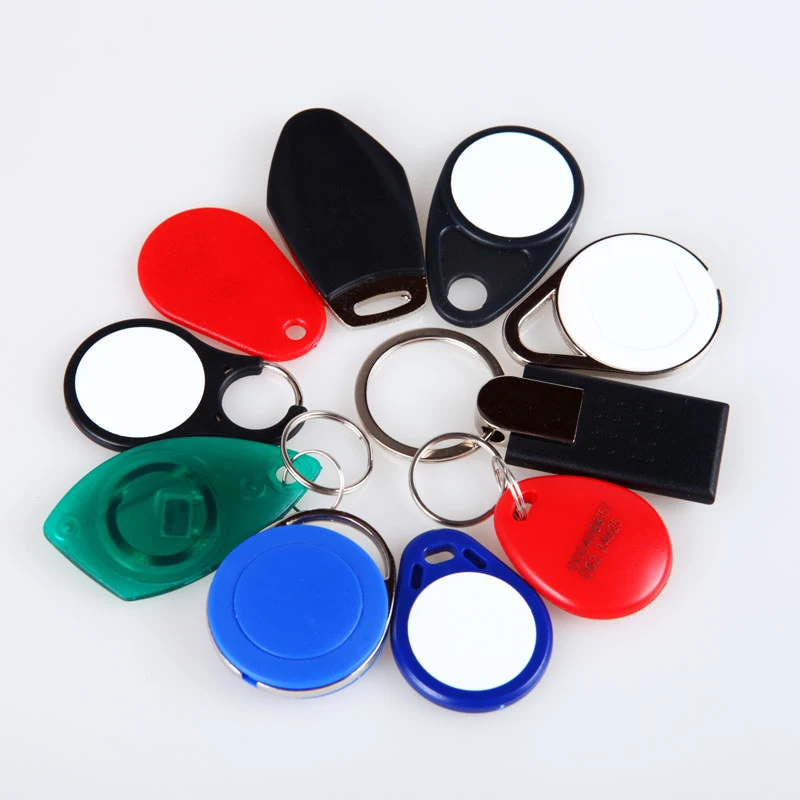
Compare RFID keyfobs by housing, dimensions and chip configuration. ABS, FR4, silicone, leather-style and soft PVC formats solve different carrying and…
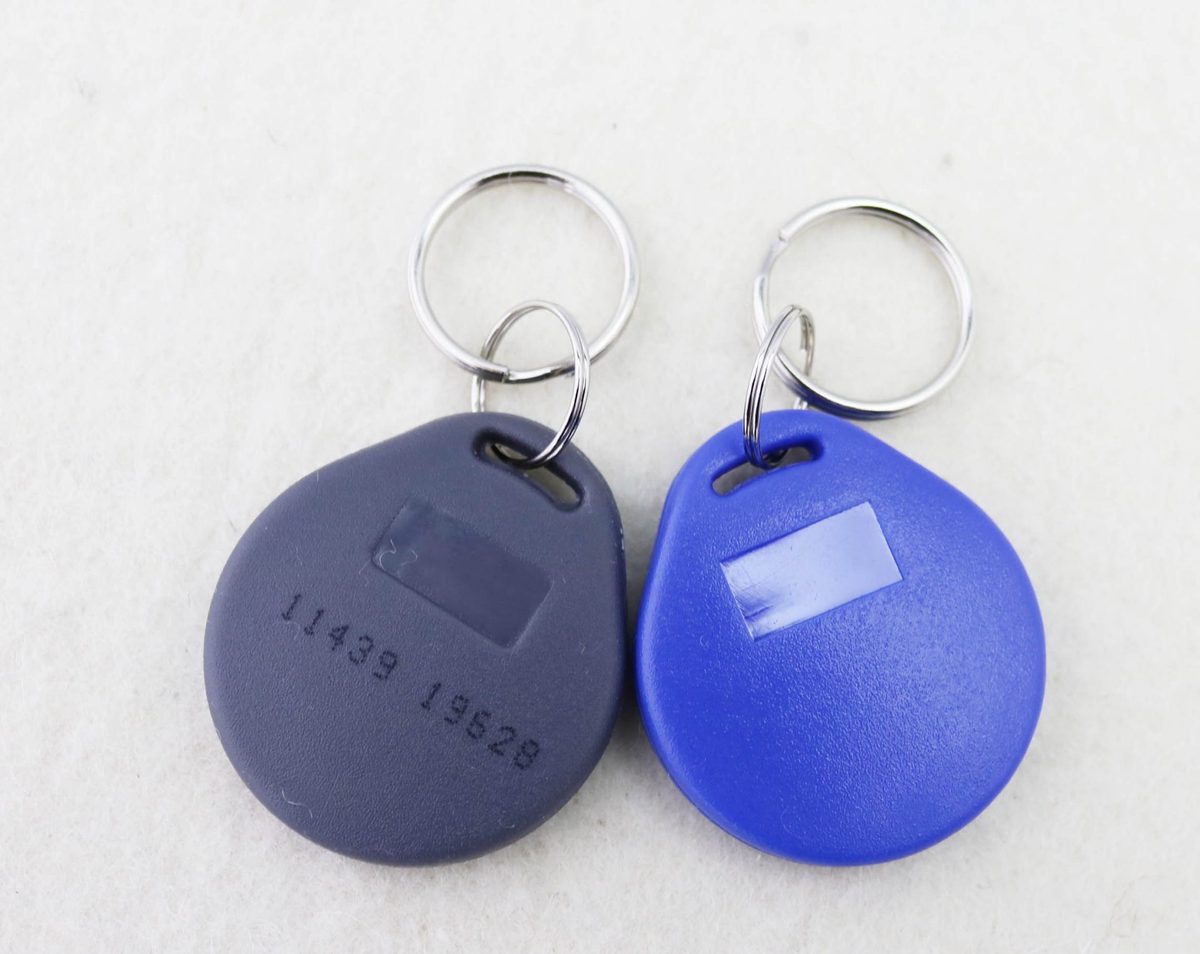
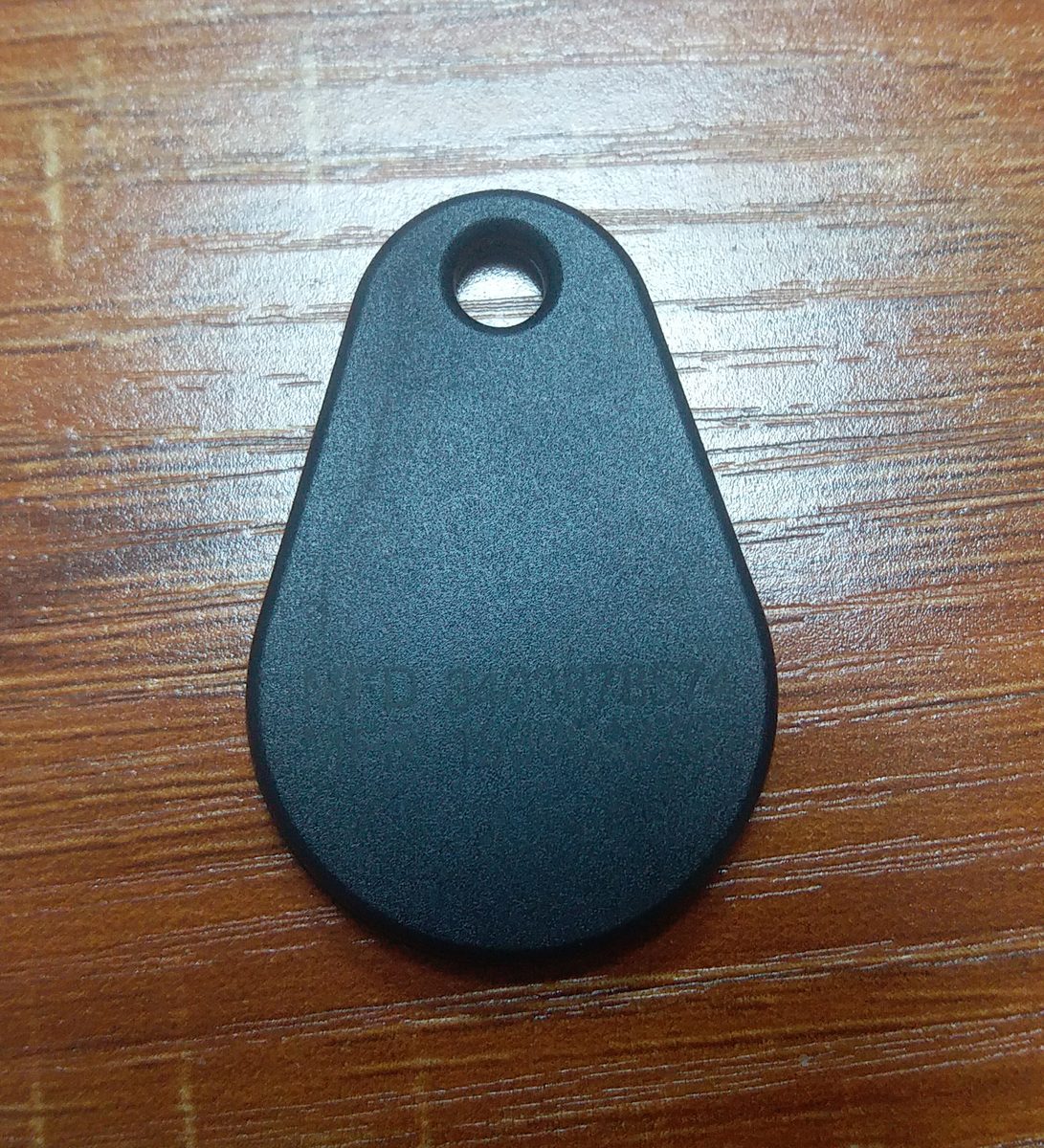
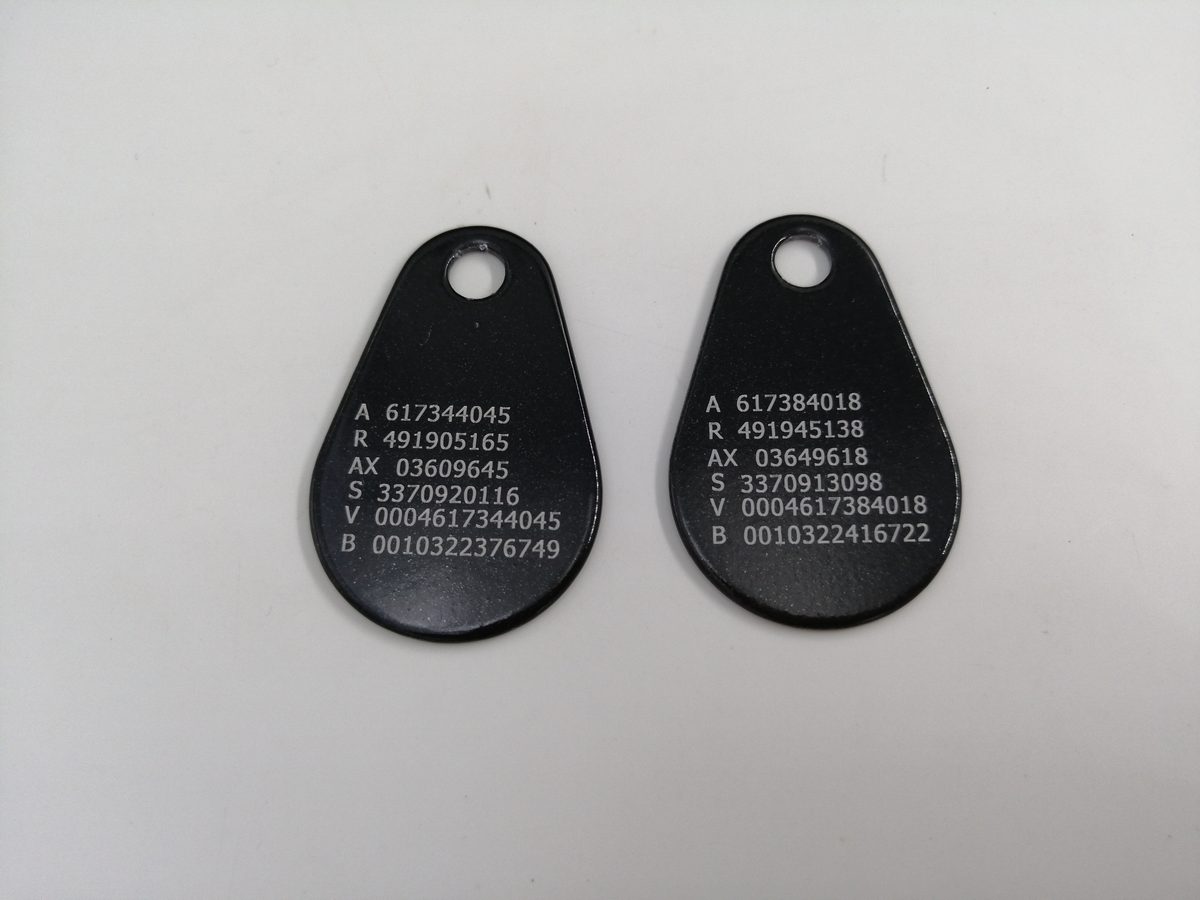
ABS RFID keyfobs provide a rigid carrying format for access credentials and NFC applications. Compare the illustrated mold catalog with the named KF003A,…
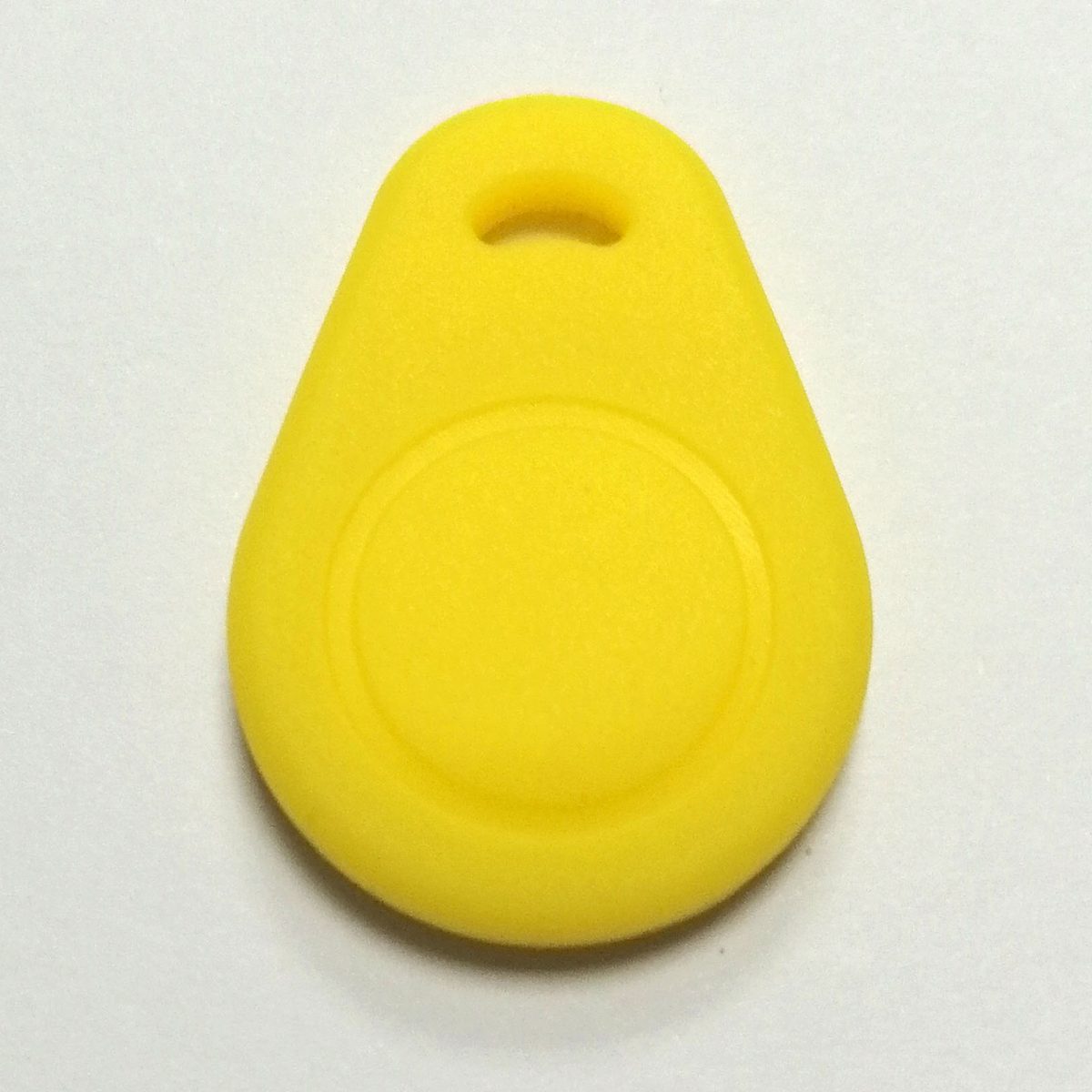
The published silicone keyfob reference measures 35 × 30 × 5 mm. Its flexible body can be supplied with LF, HF or UHF electronics, while color and visible…
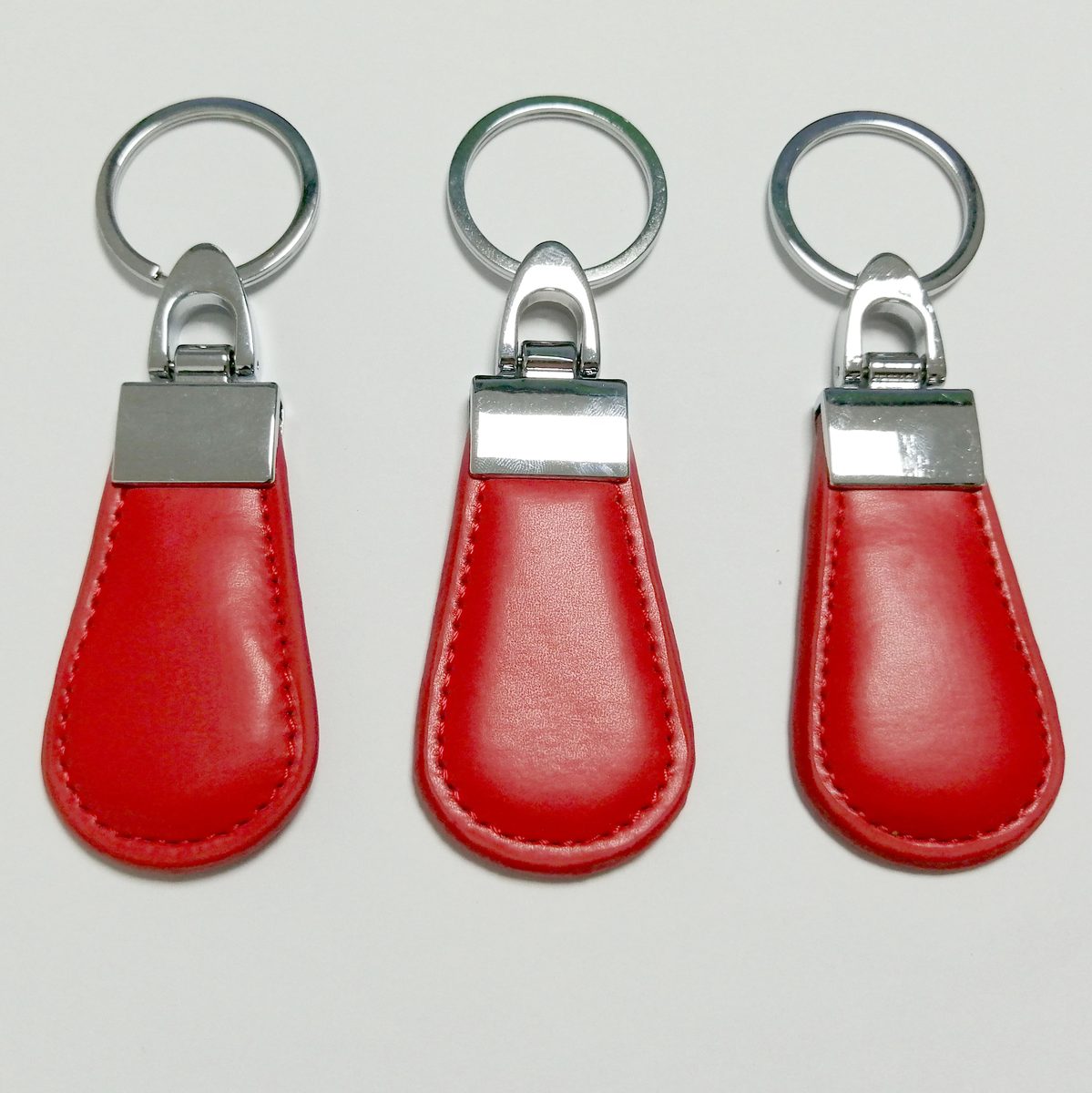
Compare KF204 and KF206 leather-style RFID keyfobs by body construction and dimensions. KF206 is listed at 64 × 35 × 7 mm; KF204 lists its leather and metal…
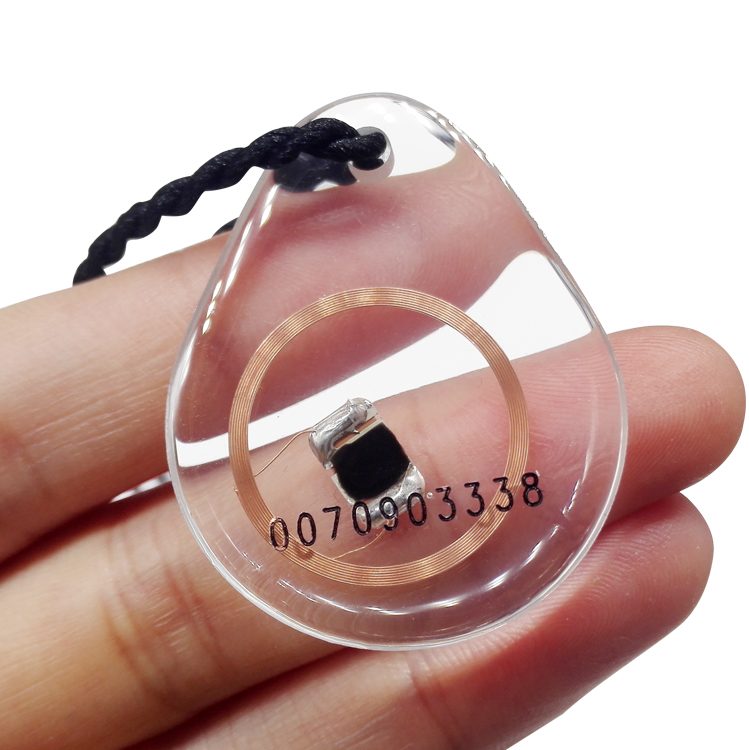
Epoxy RFID keyfobs place a printed or transparent transponder assembly under a resin surface. Published outline references include 30 × 30 mm, 25 × 40 mm…
This catalog format uses a PPS keyfob body for a carried RFID credential. The available photos show the outline and attachment opening, but no verified…
GF02 is a 44.8 × 29.6 × 1.6 mm FR4 keyfob reference with a thin, rigid profile. Published options include LF and HF electronics; the printed or laser-marked…
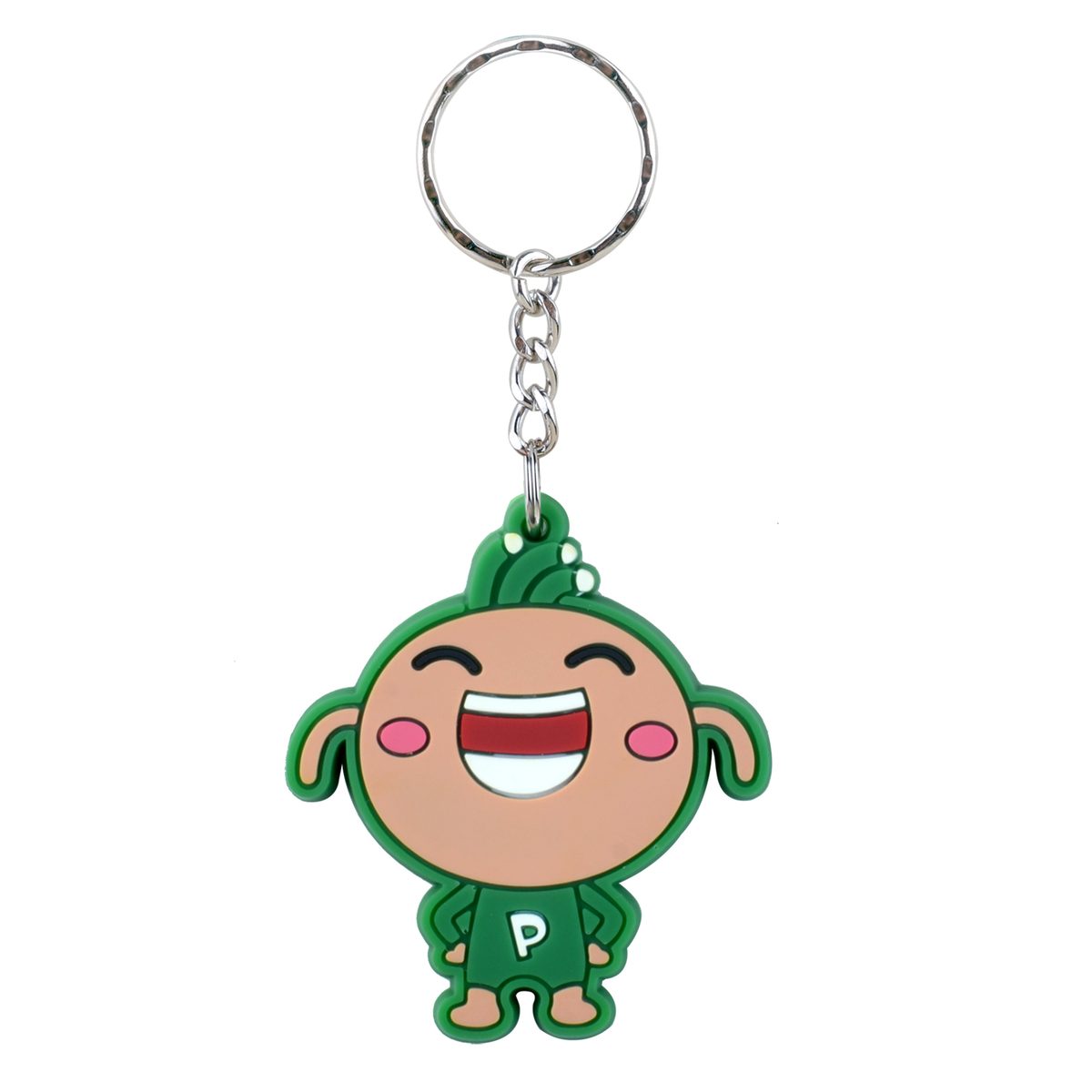
Soft PVC RFID keyfobs support shaped branding and character-style designs. Five published outline references span 33 × 46 mm to 45 × 60 mm; the illustrated…
From shortlist to sample
Send the reader or platform, approved credential requirements and preferred housing. We can review the configuration, branding and an authorized sample plan before quoting production.
Buying questions
Use the selected model’s information and an agreed sample test for the final decision.
Provide the exact reader and controller or platform models and ask the administrator for the supported credential specification. Frequency and a brand name are insufficient: the system may use a UID, a formatted number or a protected chip application. Approve an authorized sample through enrollment, access and revocation before buying the full quantity.
No. A shared RF band does not establish a matching protocol, identifier format or system configuration. Have the authorized integrator confirm the required credential. Do not infer compatibility from the shell or a successful identifier scan on a desktop reader.
No. Phone interaction depends on the tag standard, content, phone and software. A supported NDEF link is a different use from an access-control application. Test the intended phone experience on the selected configuration; an LF keyfob is not read by a phone's built-in NFC function.
It combines two selected RF interfaces in one housing, for example for an authorized migration between separately specified systems. Each chip and credential needs its own compatibility and enrollment check. Do not assume shared memory, identical identifiers or automatic support for both installed systems.
Approve the exact data field and its mapping to visible print. A project serial may be written to suitable memory or mapped to a factory identifier; factory UIDs are not universally rewritable. For protected credentials, agree the authorized personalization process instead of emailing live keys or member data.
Confirm MOQ for the selected keyfob and quantities per design, colour and credential configuration in the quote. Standard sample availability, custom artwork or tooling, encoding and packing affect the plan. Use the sample policy to confirm charges and freight, then agree production timing after the approved sample and specification.
Continue your selection
Review housing, credential, identification and sample-approval requirements.
Follow an authorized enrollment, access and revocation pilot for a membership facility.
Distinguish chip protocols, reader interfaces and credential applications.
Check sample fees, freight and approval before commissioning branded samples.
May we use Google Analytics cookies to measure visits and inquiry actions? Your choice does not affect the contact form. Cookie details