RFID Reader Writer
Choose an RFID reader writer by card protocol, read/write task and host software. Compare USB, network and OEM hardware before requesting an evaluation.
Product selection · 7 catalog options
This reader catalog focuses on HF and NFC hardware for identifier input, card writing, networked stations and embedded development. Choose the required card operation before the connector. Several original Digital Logic µFR models are legacy products, so identify the hardware and firmware for replacements and review current-generation alternatives for new projects.
Explore the range
Choose an RFID reader writer by card protocol, read/write task and host software. Compare USB, network and OEM hardware before requesting an evaluation.
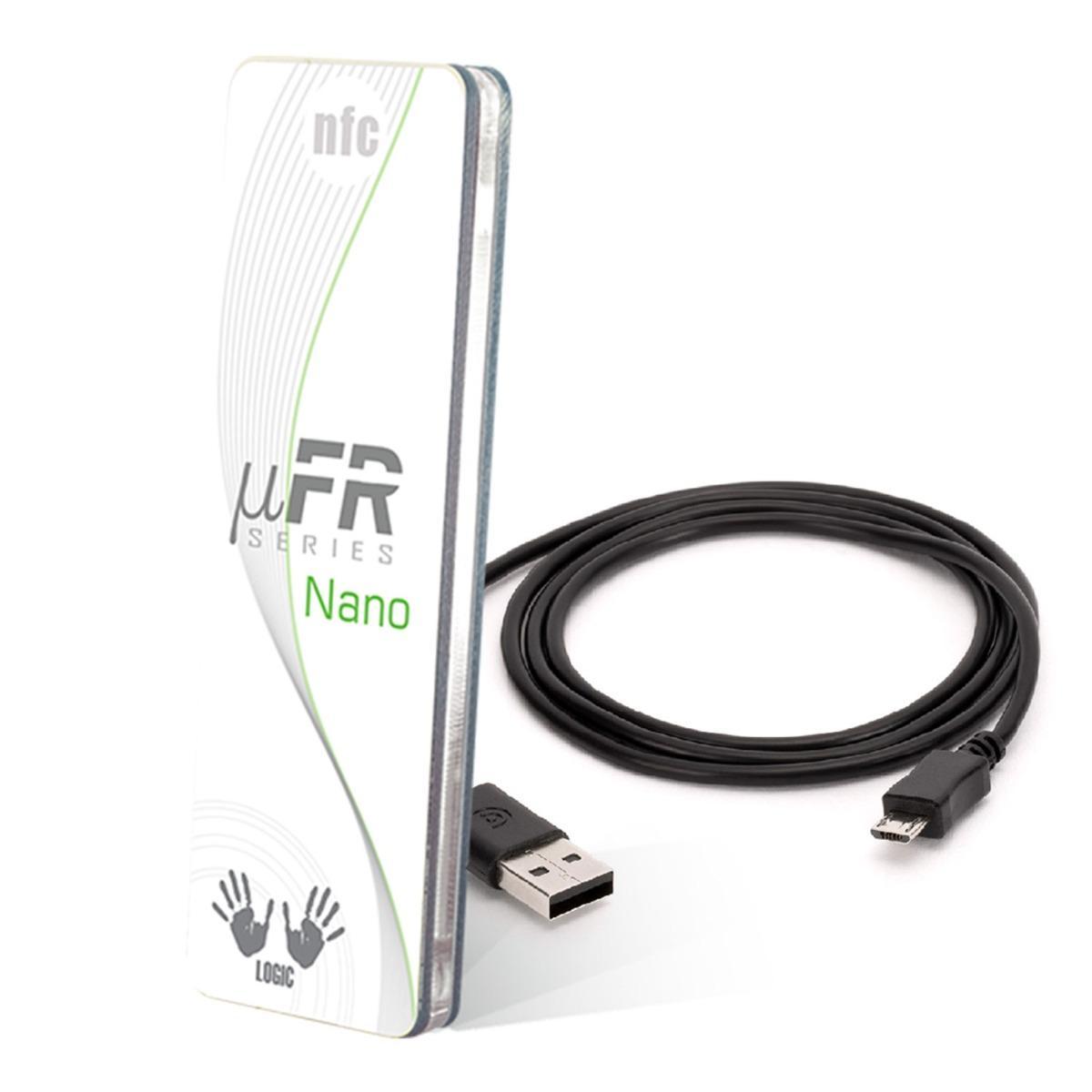
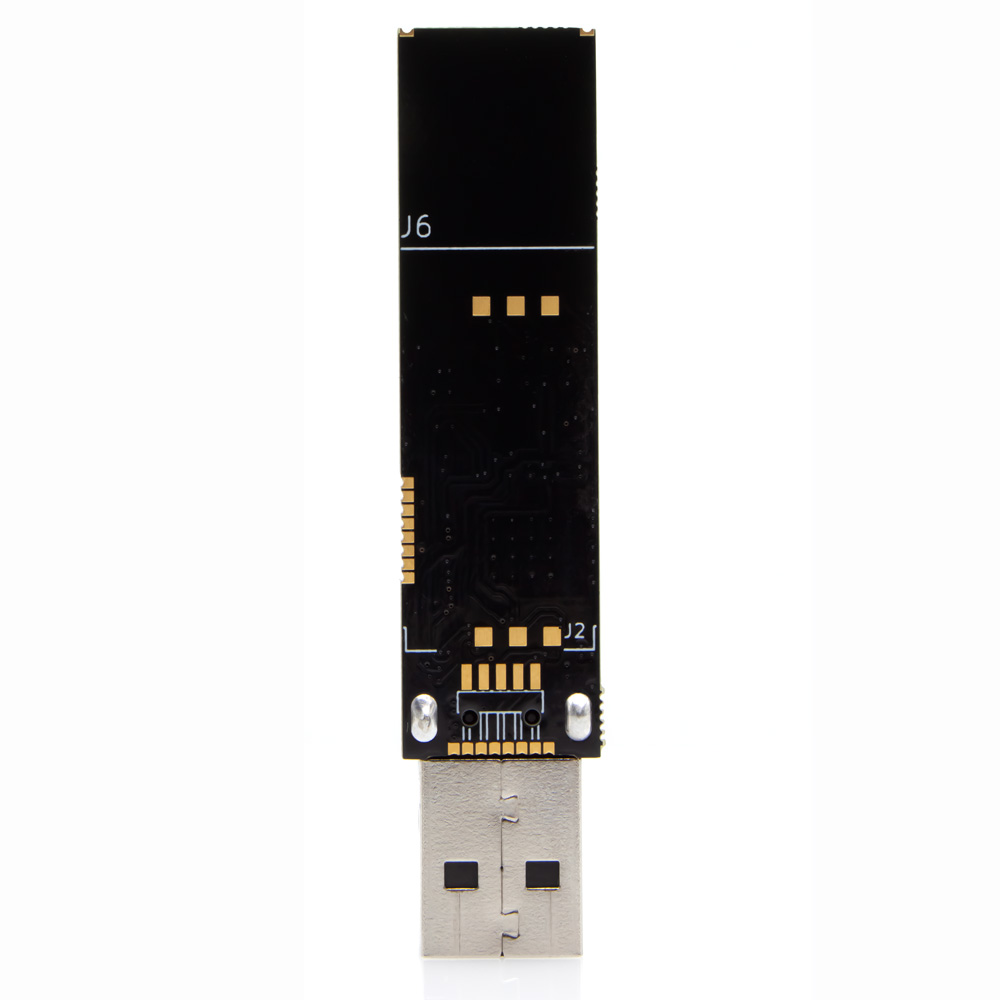
Digital Logic’s µFR Nano is a compact 13.56 MHz reader/writer with an 86 × 27 × 8 mm enclosed format. Compare the enclosure, OEM and UART board versions for…
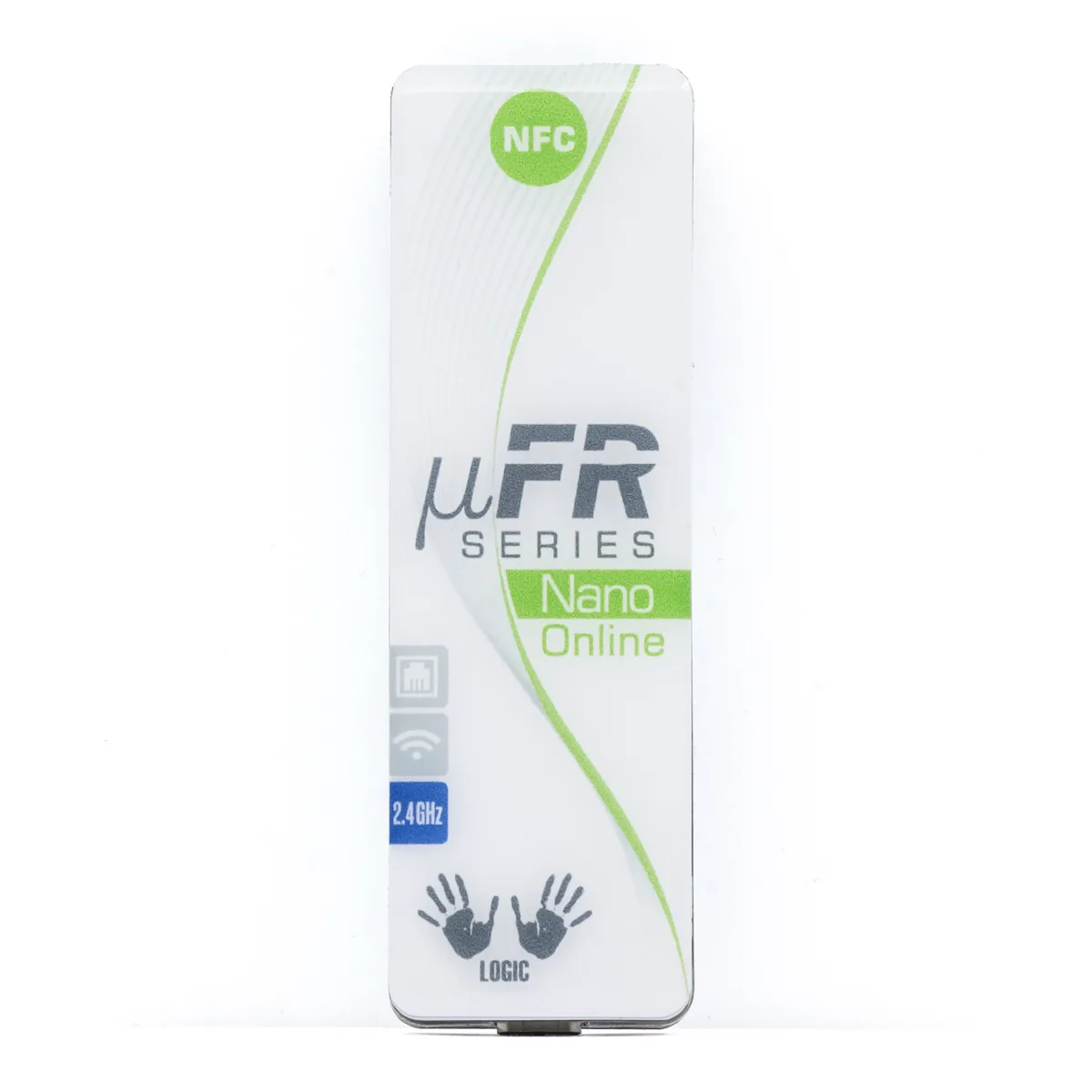
µFR Nano Online is Digital Logic’s legacy 13.56 MHz reader with Wi-Fi and BLE plus USB/UART interfaces. The manufacturer places this model in its EOL…
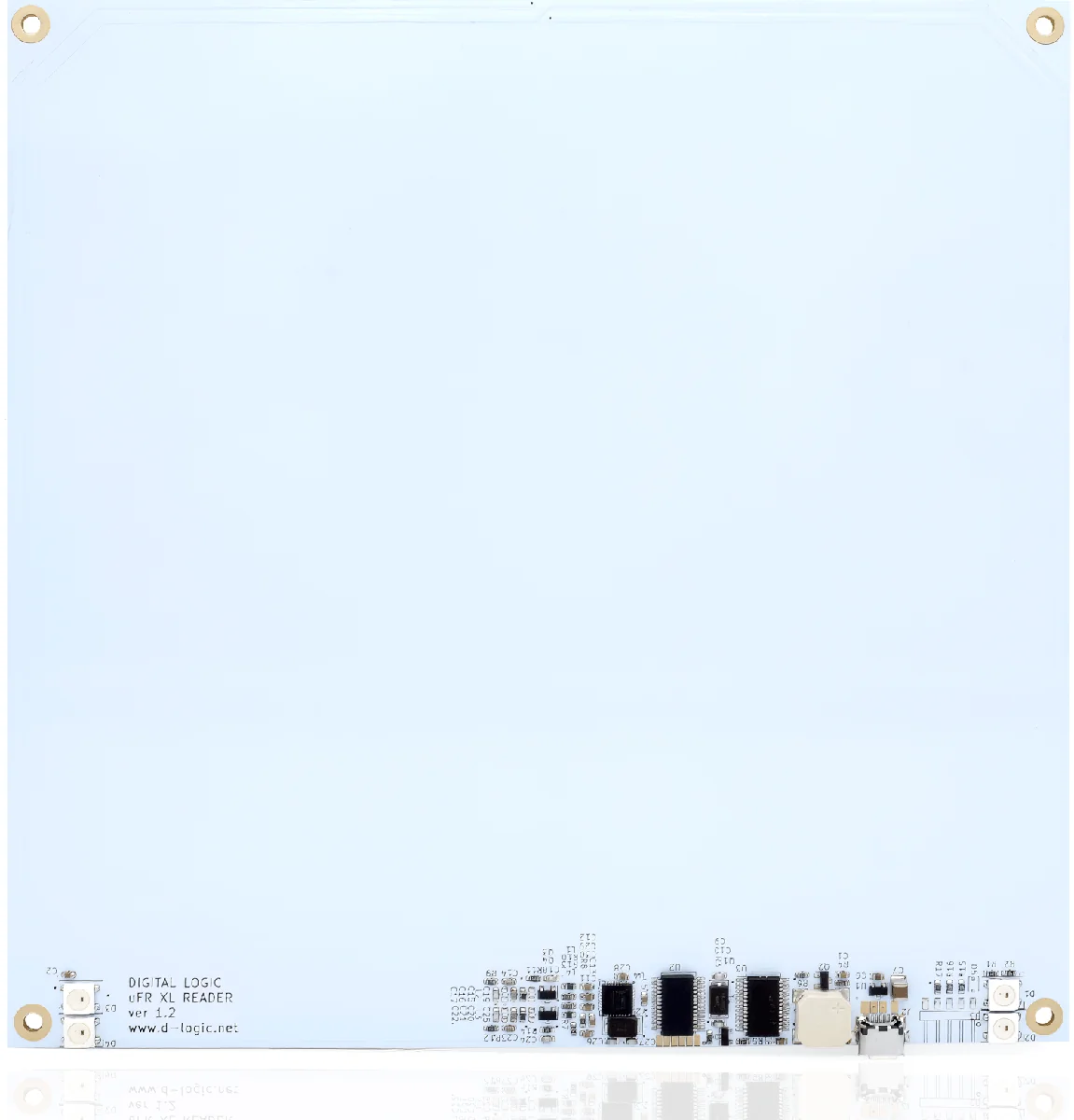
µFR XL OEM is a 178 × 178 × 5 mm, 100 g reader board from Digital Logic. Its larger antenna and RF booster provide a published operating-distance reference…
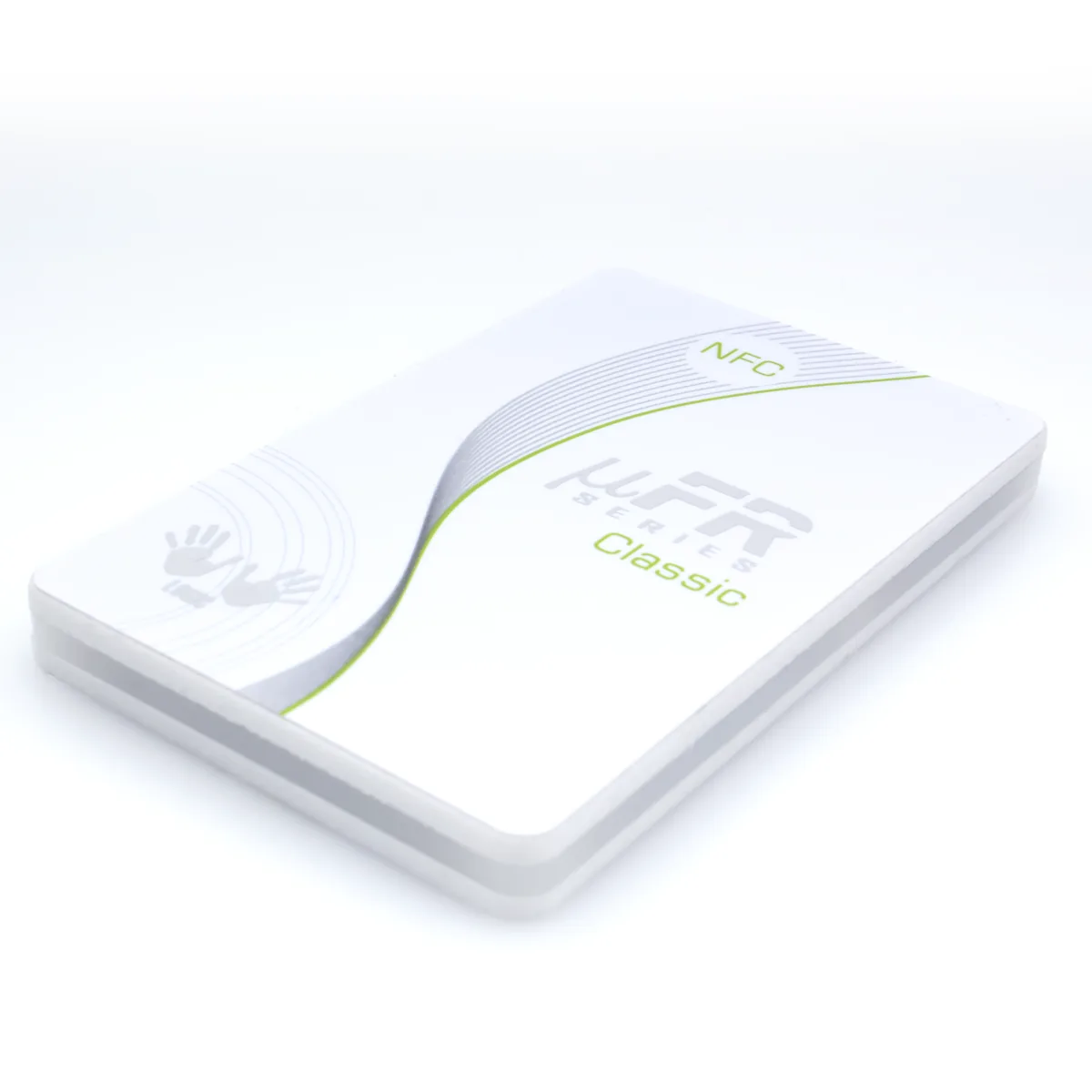
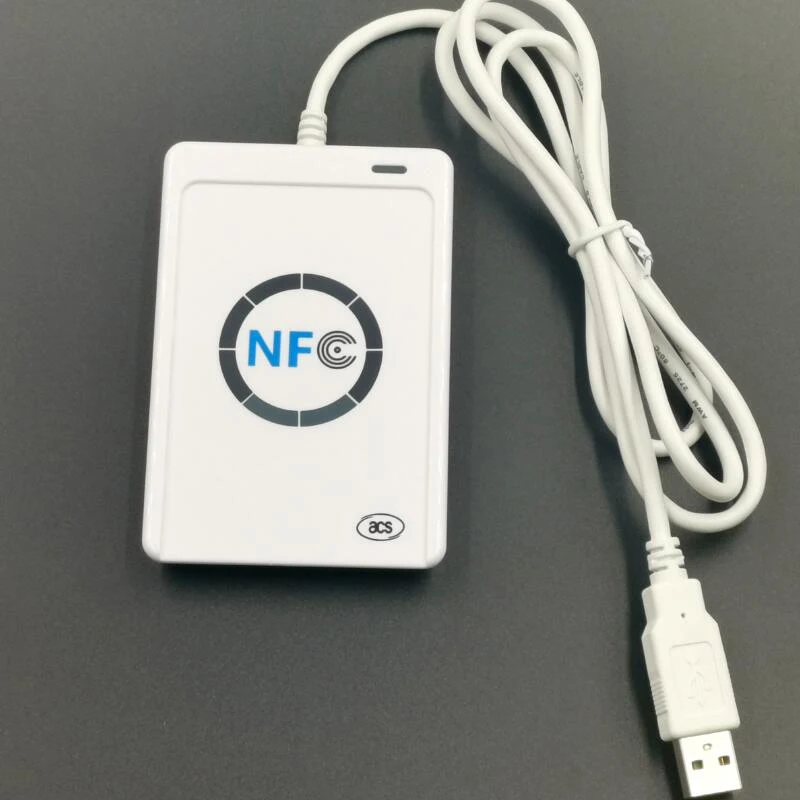
The µFR Classic CS is an 86 × 54 × 9 mm enclosed USB NFC reader/writer from Digital Logic. Its 84 × 50 × 5 mm OEM variant provides a smaller board outline…
JustID is Digital Logic’s NFC identifier reader for workflows that send a tag ID to a host application. It supports ISO 14443 A/B and ISO 15693 at 13.56…
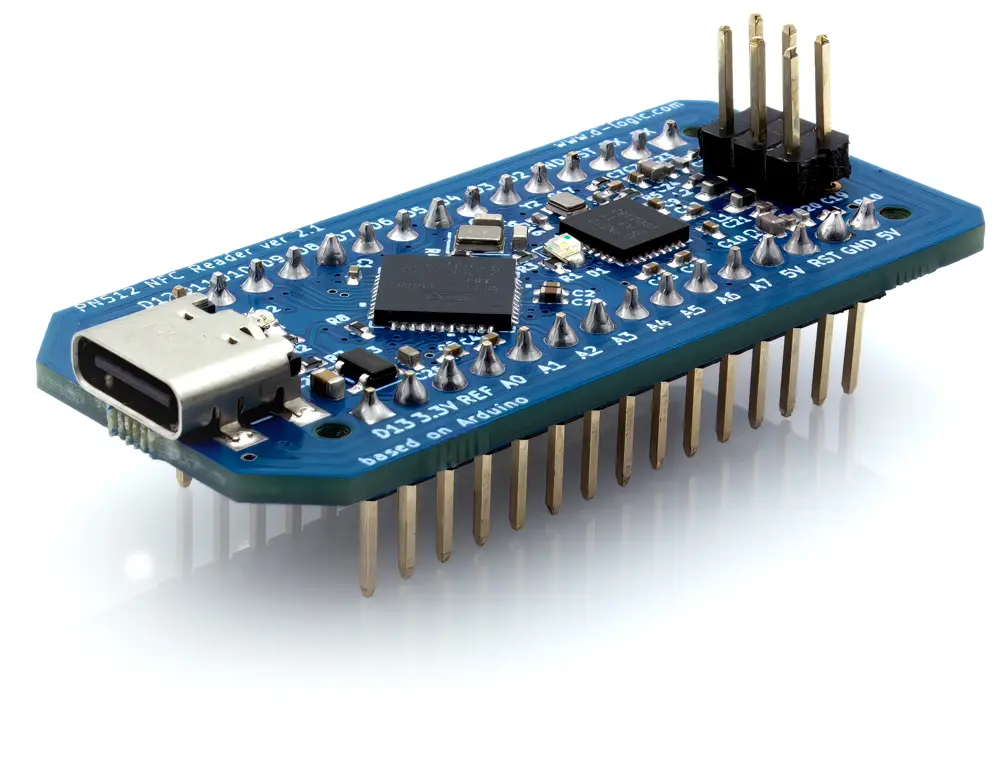
Digital Logic’s NFC Integrino N512 is a 51.3 × 23.9 × 20 mm, 26 g development module using Arduino technology. It combines 13.56 MHz NFC with a programmable…
From shortlist to sample
Send the chip, required operation, host environment and any existing hardware revision. We can review an evaluation configuration and the model-specific supply and integration requirements.
Buying questions
Use the selected model’s information and an agreed sample test for the final decision.
Use an identifier reader when the application only needs a card ID in a defined input format. Use a reader-writer when you need an implemented command to read or change card memory or application data. JustID is an identifier-input starting point; verify a separate writer and its software for NDEF or application programming.
The reviewed catalog here is HF and NFC hardware. A passive UHF EPC Gen2 inventory or laundry tag needs a compatible UHF reader and application setup; an HF desktop unit is not a substitute. For a UHF request, specify region, antenna arrangement and checkpoint requirements for a separate hardware proposal.
Digital Logic labels the original µFR and µFR Online families as legacy. For an existing installation, record the current hardware, firmware and API dependency before reviewing replacement supply. For a new project, compare the manufacturer's current generation and confirm the complete integration; do not assume identical software or connectors.
Confirm the exact model, interface, driver or library, OS version and architecture. Keyboard emulation, virtual COM and vendor APIs impose different application requirements. A list of SDK platforms or available connector types is not proof that every model supports every host or card operation.
No. Identifier output and application authentication are different operations. The authorized system operator must approve the credential, data format, personalization and application commands. Test the intended operation on the actual reader, firmware and host software without sending live master keys or account passwords in an inquiry.
Request the exact model and revision, sample-card operation and evaluation quantity. Availability, unit cost, software scope, documentation and shipping are confirmed in the quote; legacy supply needs an explicit check. Agree acceptance and rollout quantities after the evaluation rather than using tag or card MOQs for hardware.
Continue your selection
Define the chip, card command and host application before selecting hardware.
Review identifier output and the limits of a UID reader.
Manufacturer directory identifying original µFR families as legacy and listing current-generation options.
Confirm the offered reader and its evaluation terms before shipment.
May we use Google Analytics cookies to measure visits and inquiry actions? Your choice does not affect the contact form. Cookie details