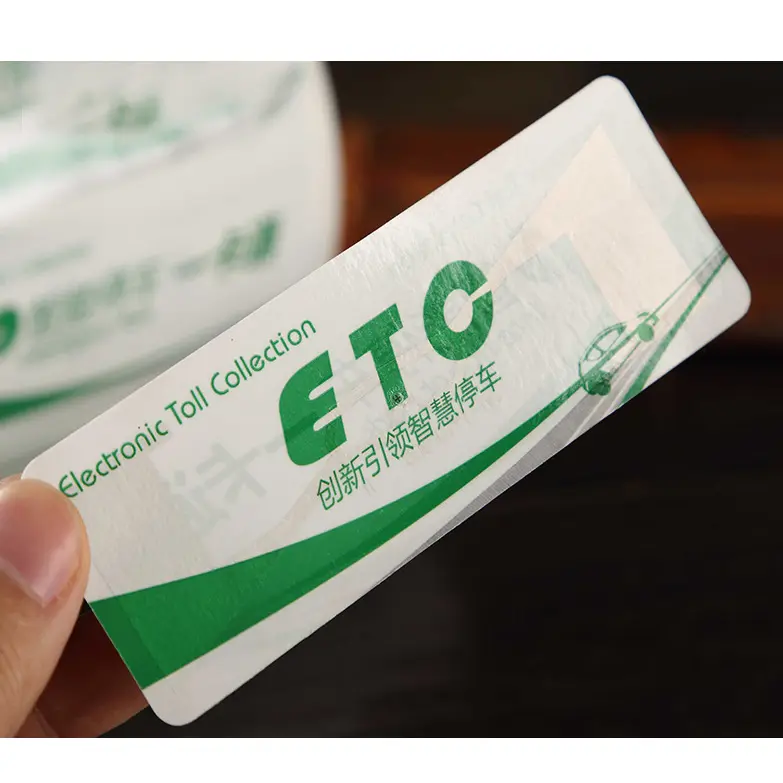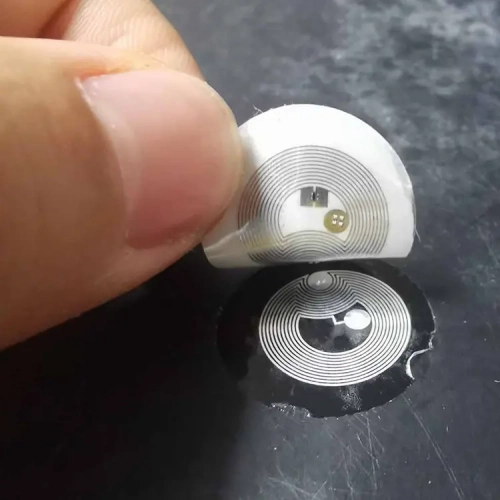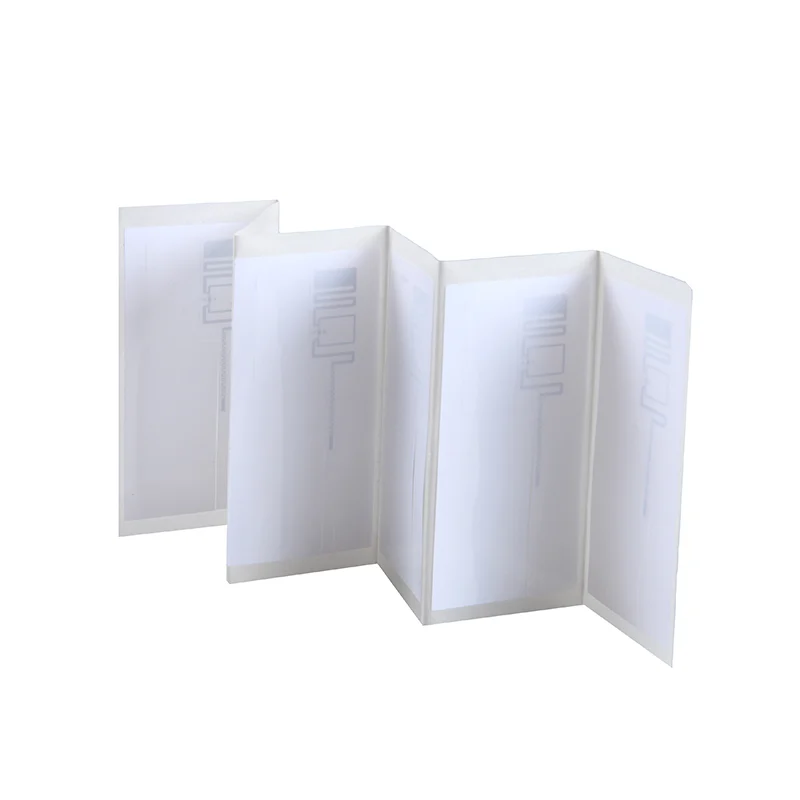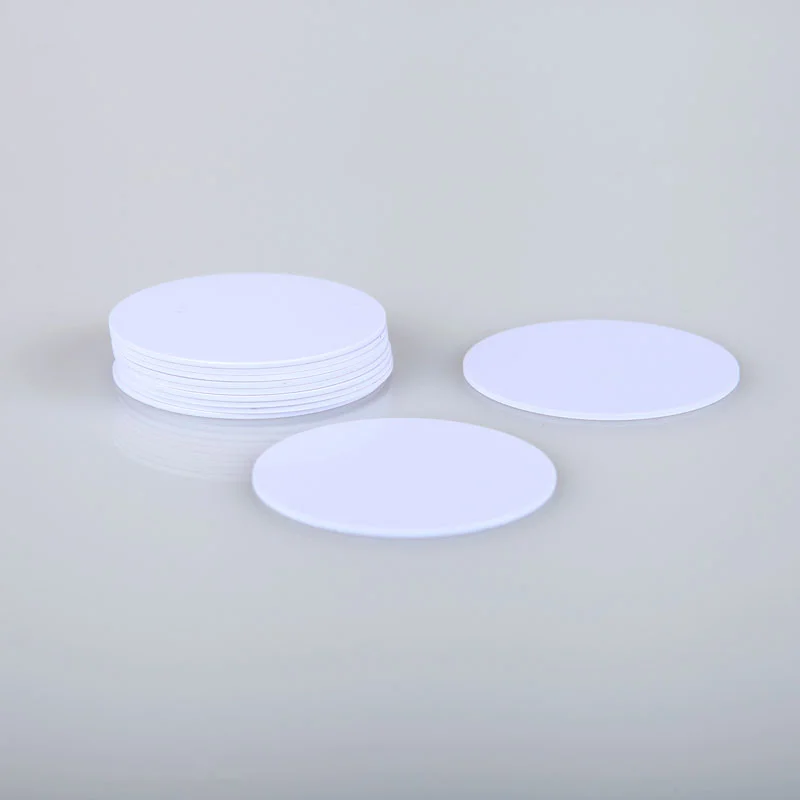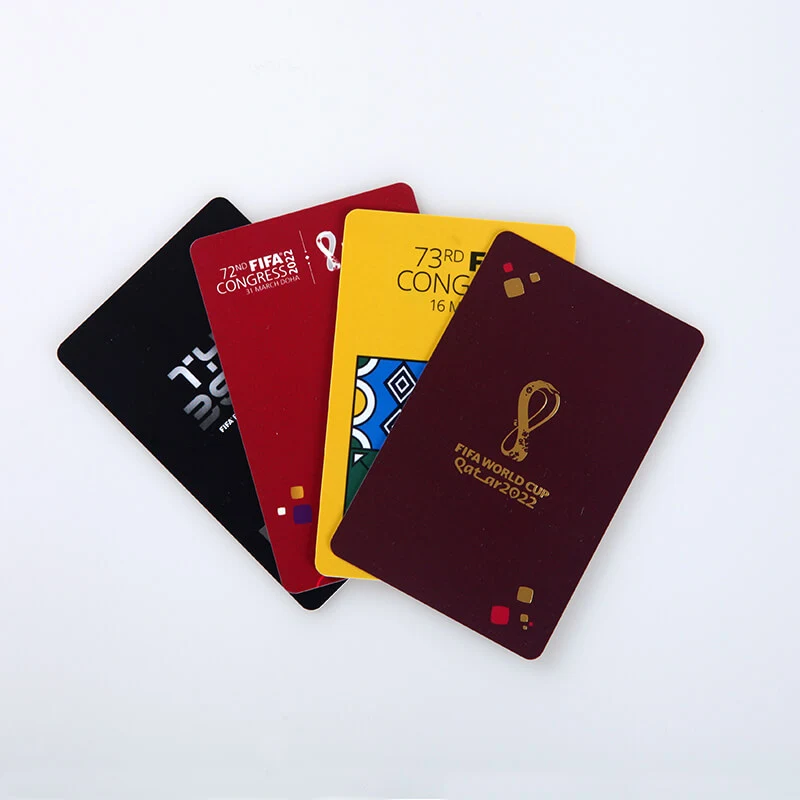
Custom PVC RFID Card
Conference badges, access cards & membership credentials
- Frequency
- LF · HF · UHF
- Format
- PVC card · blank, printed or encoded
MOQ guidance: Confirmed by chip, artwork, encoding and quantities per design in the project quotation
RFIDAK / Product selection
Find a format for your reader, application and environment. Explore 67 products, compare options and test samples before committing to production.
Browse the range
Choose a format first.
Confirm the exact chip before ordering.
Frequency options can refer to different product variants. Confirm protocol and reader compatibility for your order. “Configuration to confirm” includes models without an approved frequency specification.
Try a broader name or clear one of the filters. If your project needs a different configuration, send us your requirements.
Ask us to check your requirements →Conference badges, access cards & membership credentials
MOQ guidance: Confirmed by chip, artwork, encoding and quantities per design in the project quotation
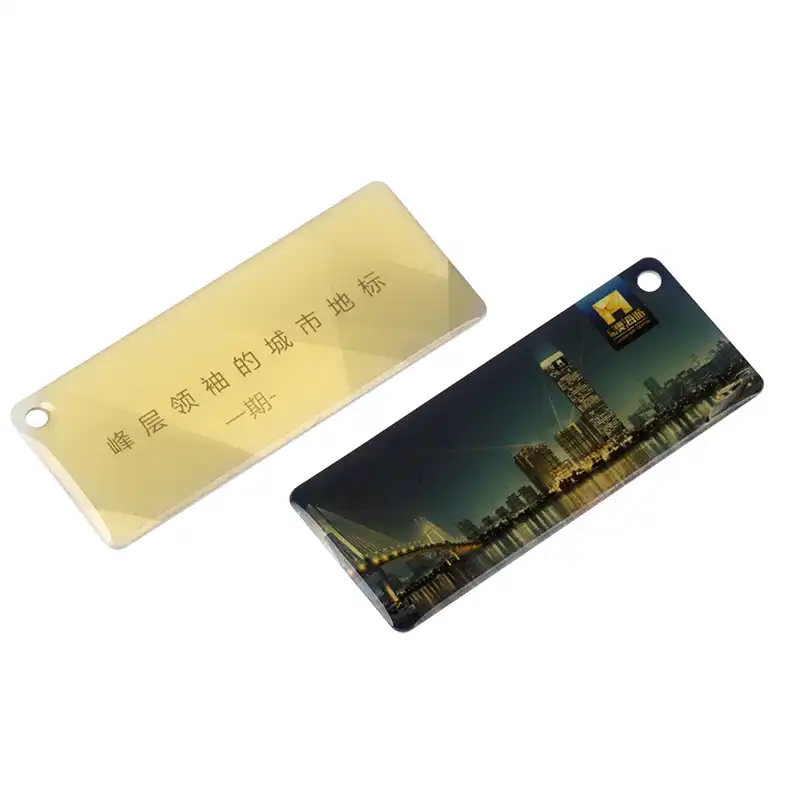
Custom-shaped credentials & branded tags
MOQ guidance: Confirm sample and order quantities for the selected configuration.
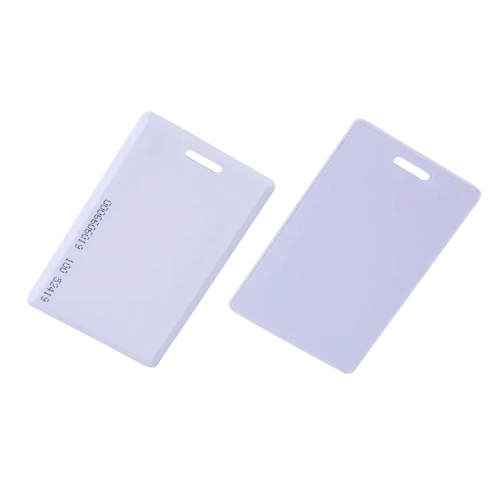
Proximity credentials for access systems
MOQ guidance: Confirm sample and order quantities for the selected configuration.
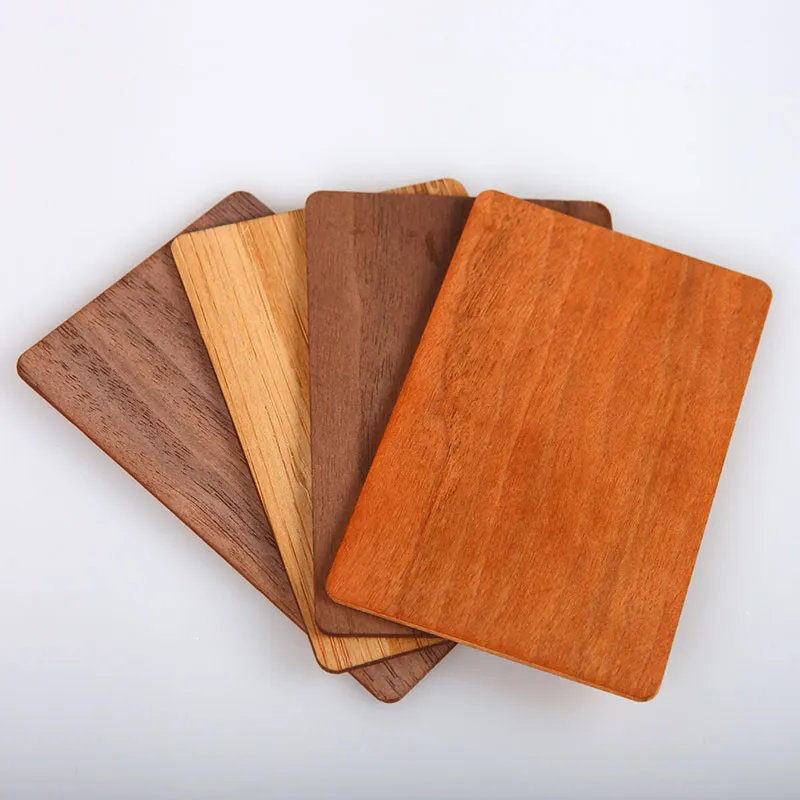
Wooden hotel & membership credentials
MOQ guidance: Confirm sample and order quantities for the selected configuration.
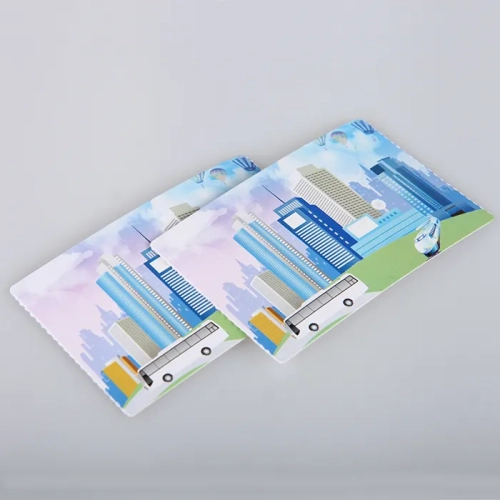
Tickets & short-use credentials
MOQ guidance: Confirm sample and order quantities for the selected configuration.
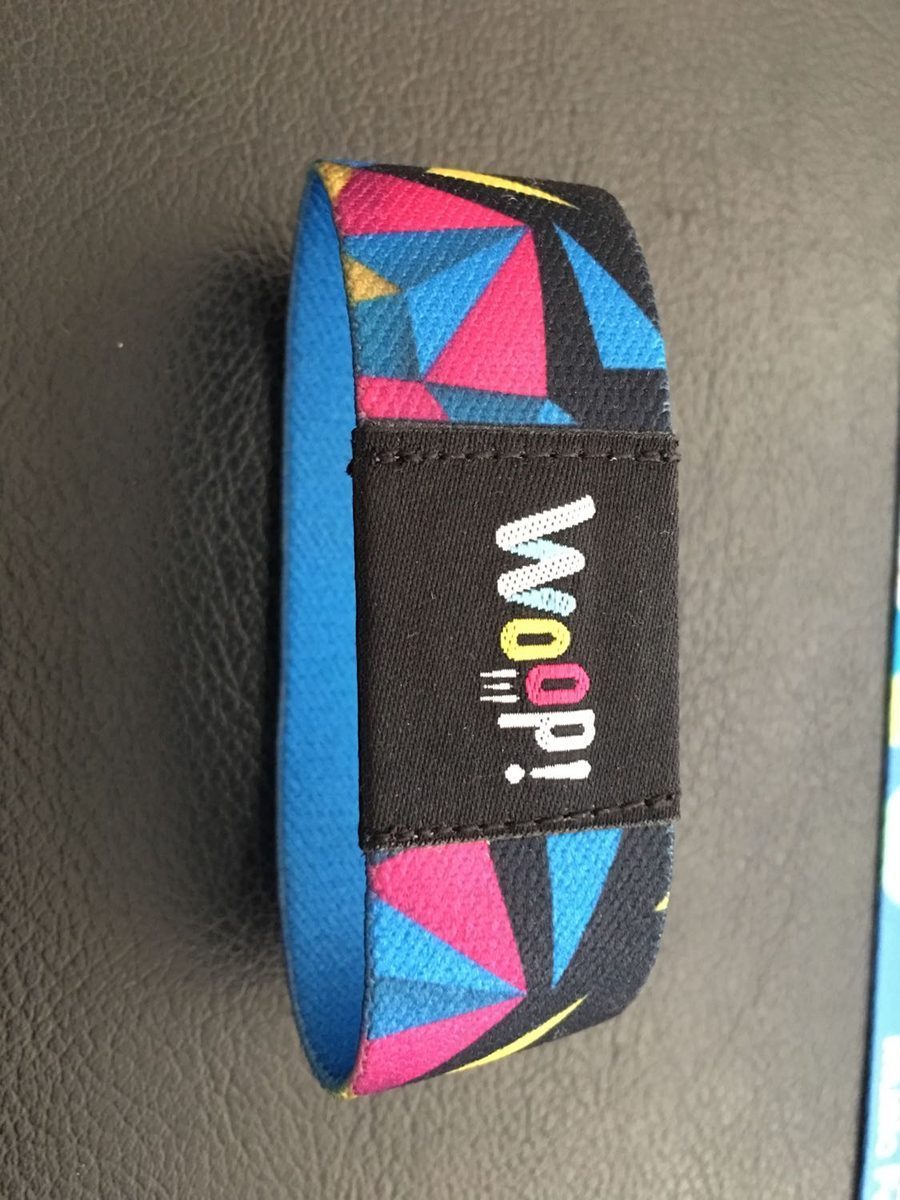
Reusable guest & leisure credentials
MOQ guidance: Confirm sample and order quantities for the selected configuration.
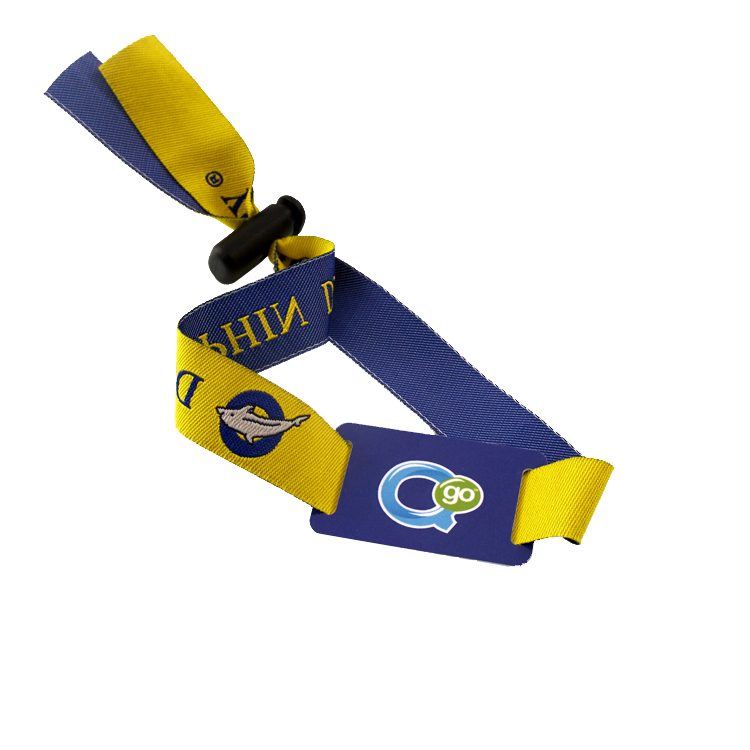
Branded event & festival credentials
MOQ guidance: Confirm sample and order quantities for the selected configuration.
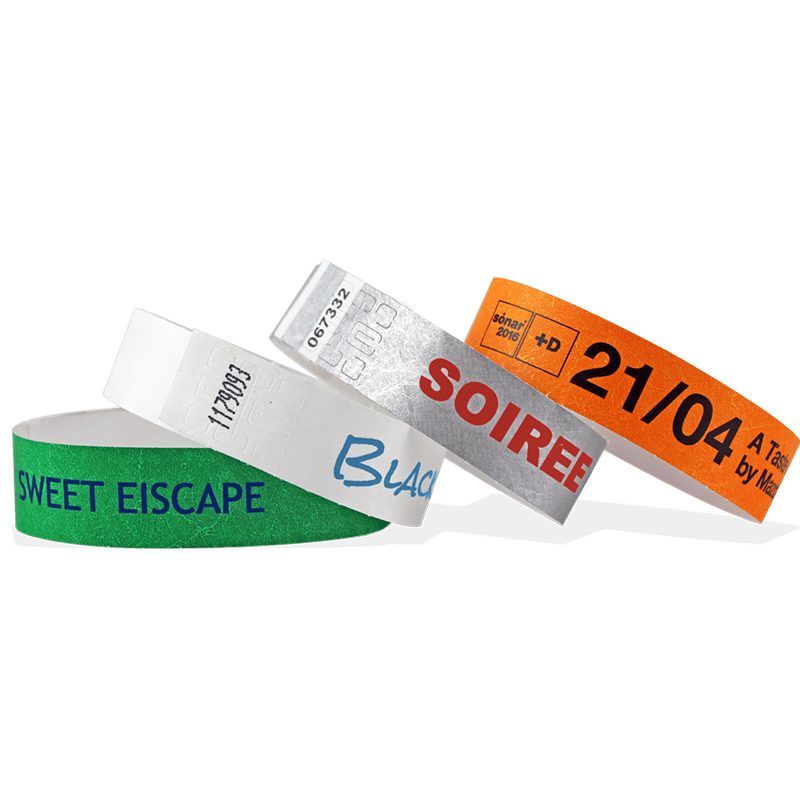
Single-use admission credentials
MOQ guidance: Confirm sample and order quantities for the selected configuration.
Slip-on event & guest credentials
MOQ guidance: Confirm sample and order quantities for the selected configuration.
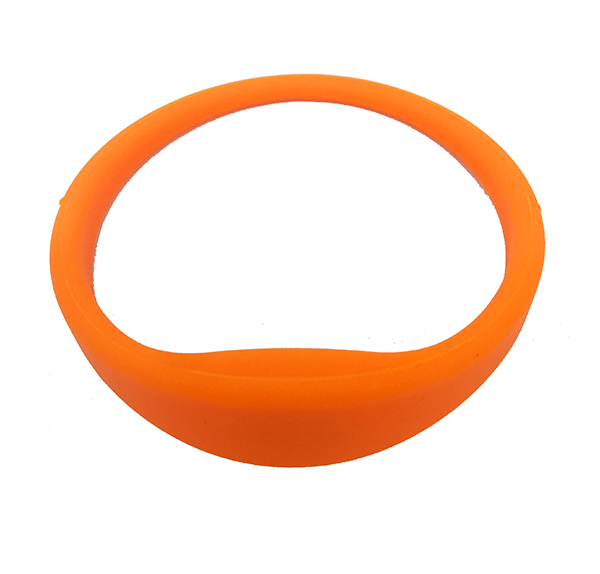
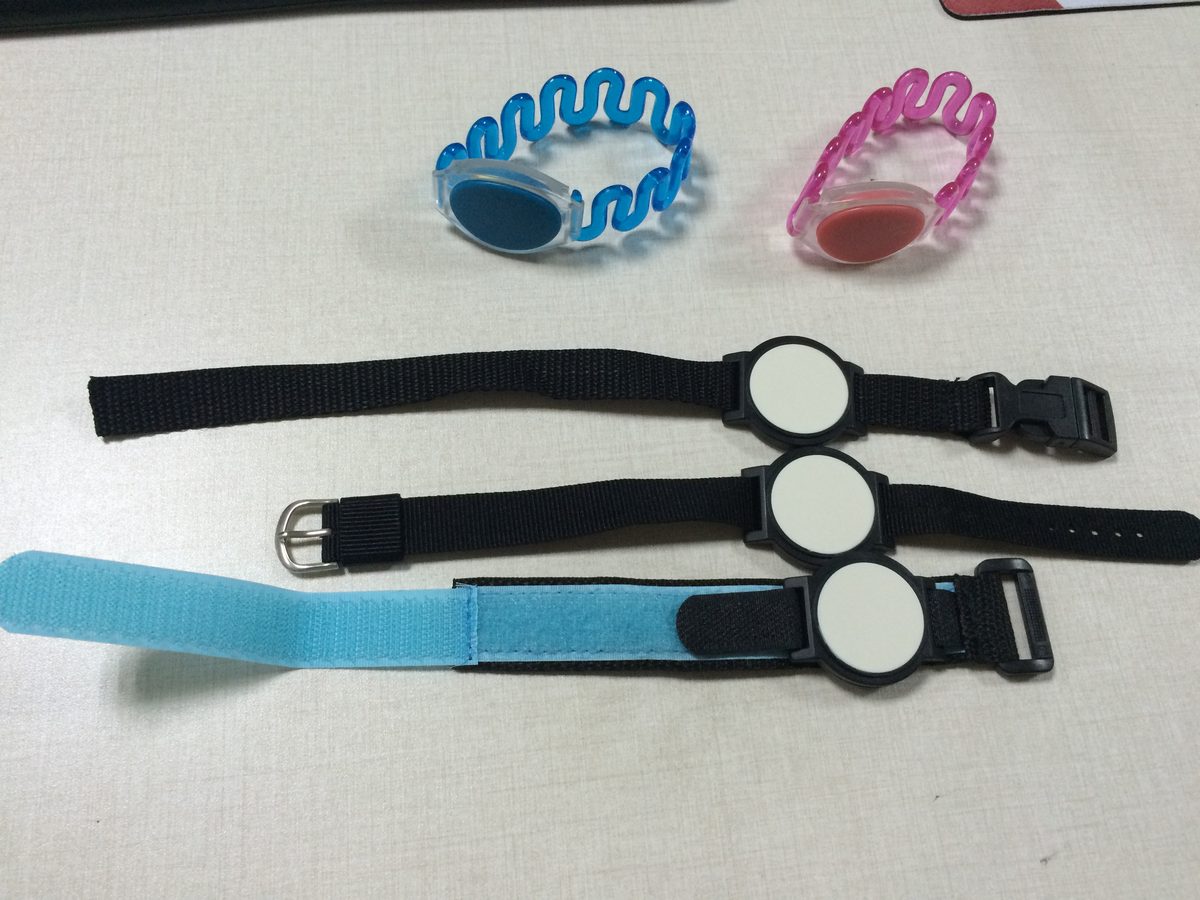
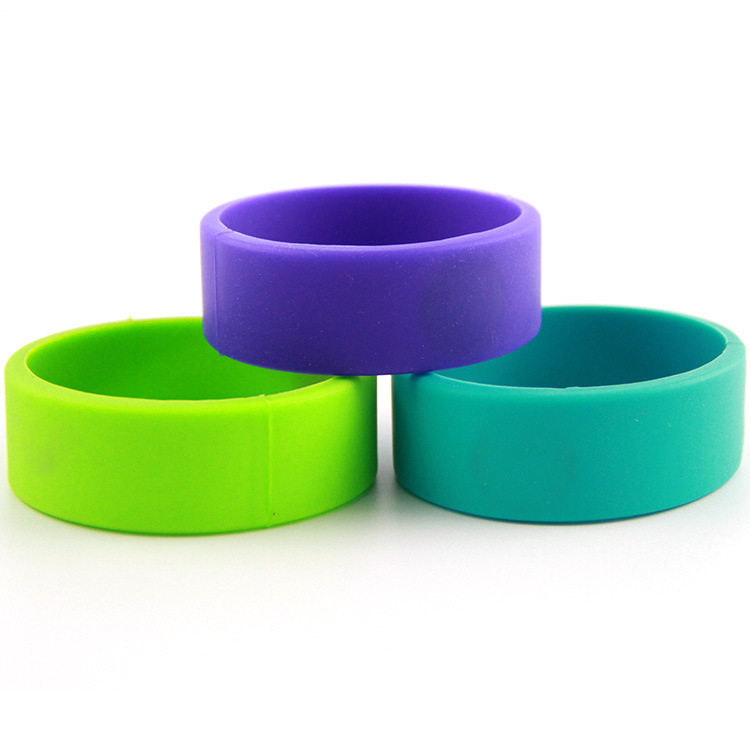
Adjustable wearable credentials
MOQ guidance: Confirm sample and order quantities for the selected configuration.
Adjustable guest & access credentials
MOQ guidance: Confirm sample and order quantities for the selected configuration.
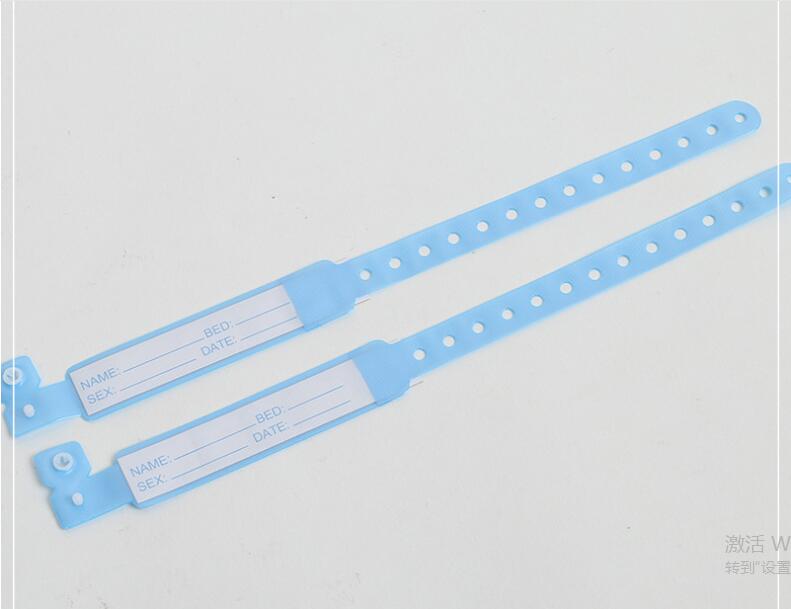
Single-use event & visitor credentials
MOQ guidance: Confirm sample and order quantities for the selected configuration.
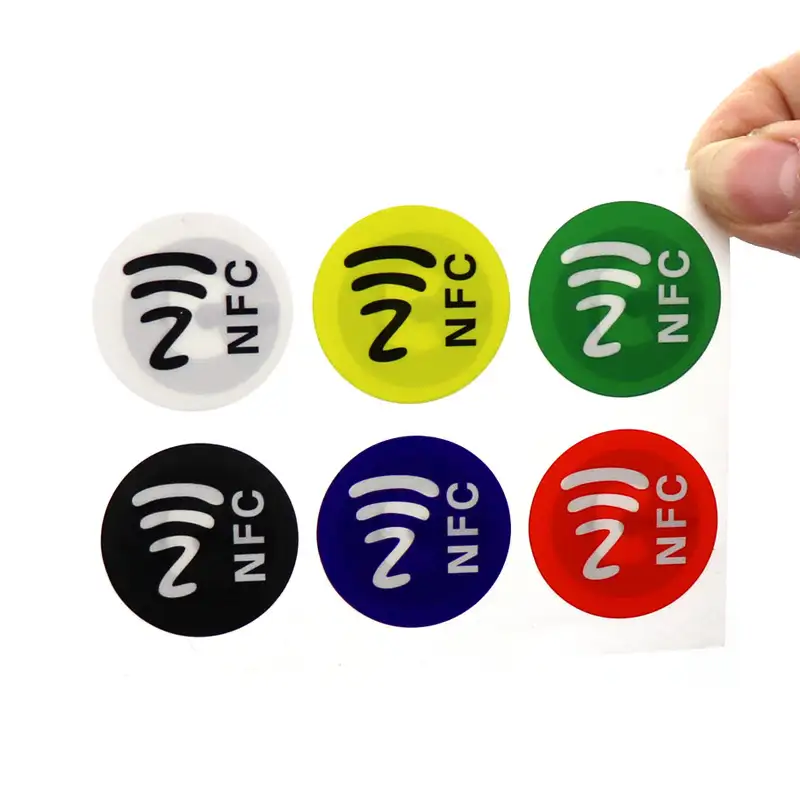
Phone-tap links & smart packaging
MOQ guidance: 1,000 pieces standard labels baseline, with the selected chip, construction and quantities per design confirmed in the quote
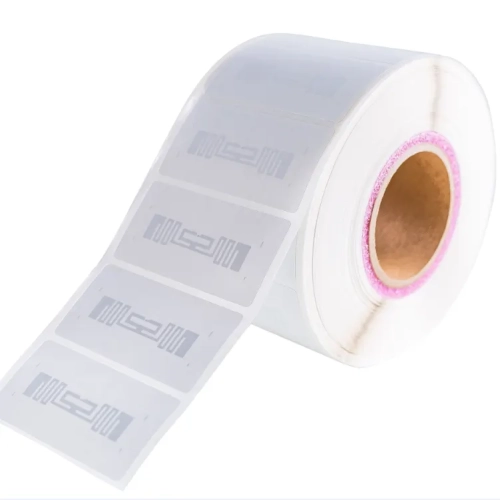
Retail inventory & warehouse tracking
MOQ guidance: Confirm quantity and configuration in the quote.
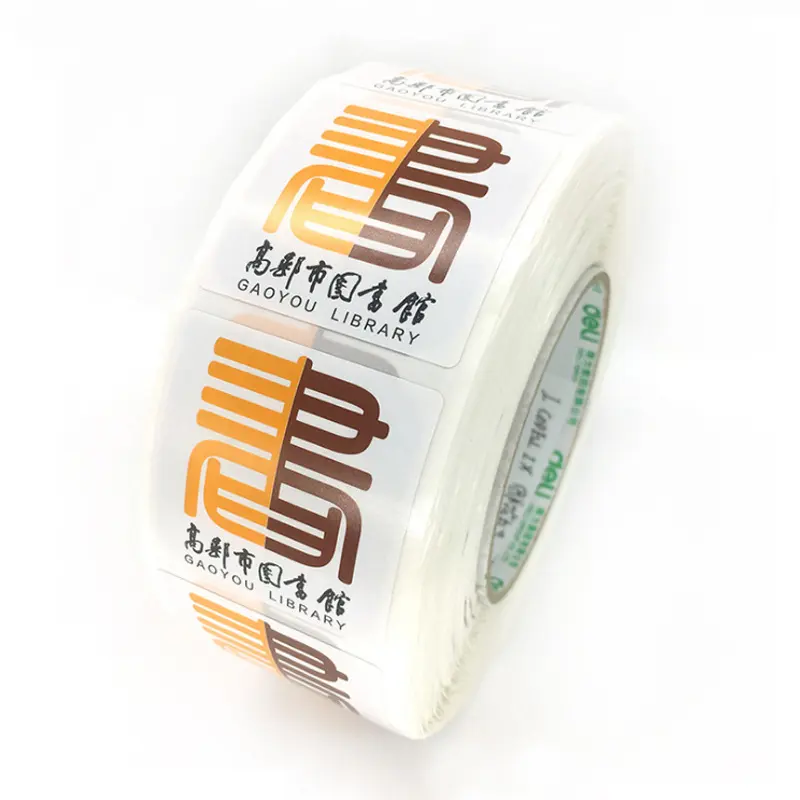
Book identification & library workflows
MOQ guidance: Confirm sample and order quantities for the selected configuration.
Document & file identification
MOQ guidance: Confirm sample and order quantities for the selected configuration.
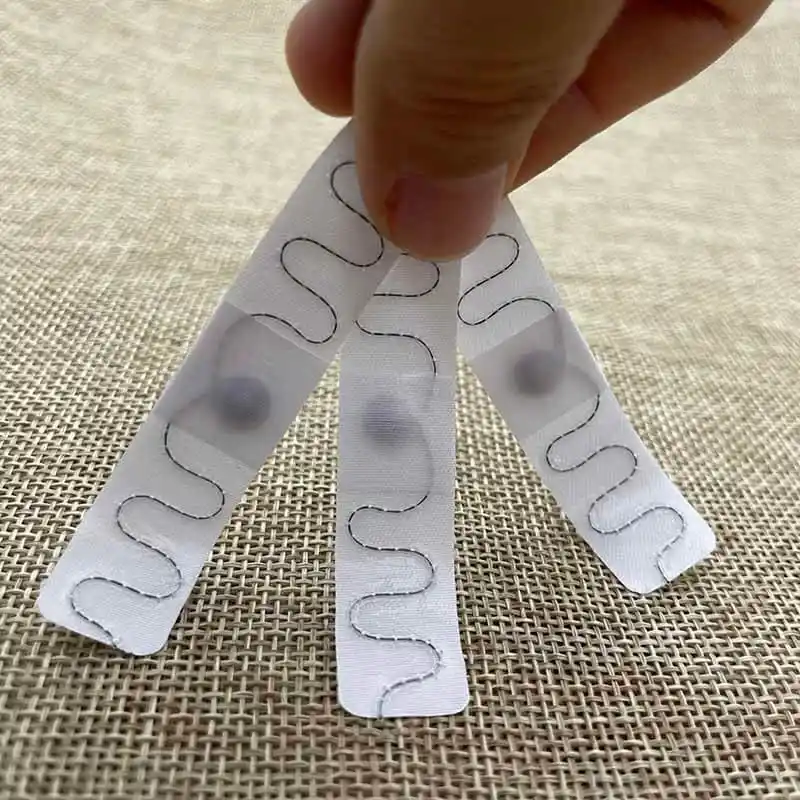
Linen, uniforms & rental garments
MOQ guidance: 1,000 pieces standard tags-and-labels baseline; confirm the selected model, encoding and quantities in the quotation
Printed identification on metal assets
MOQ guidance: Confirm sample and order quantities for the selected configuration.
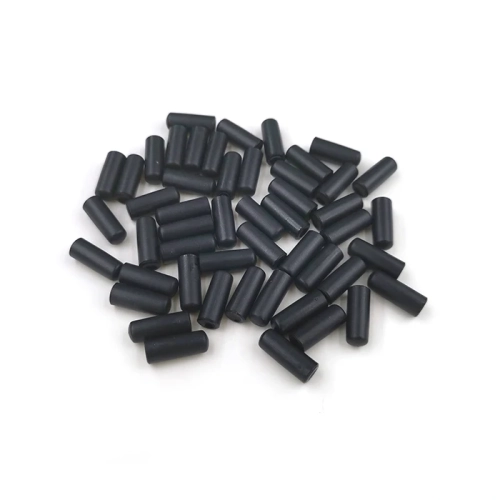
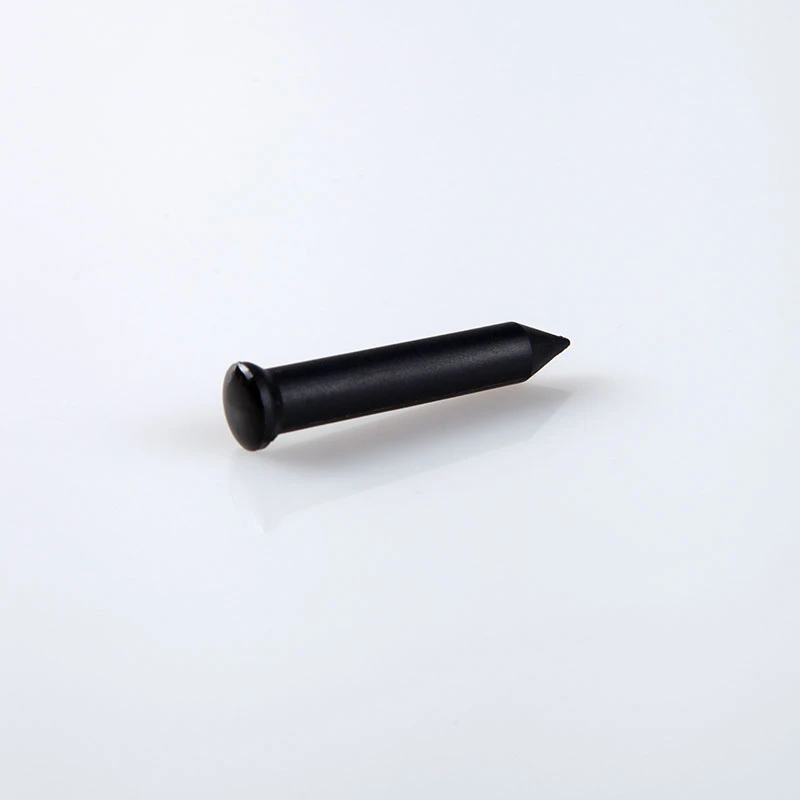
Identification inside small components
MOQ guidance: Confirm sample and order quantities for the selected configuration.
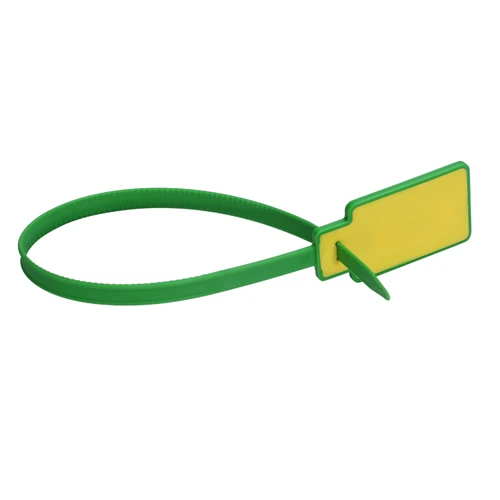
Loop attachment to assets & containers
MOQ guidance: Confirm sample and order quantities for the selected configuration.
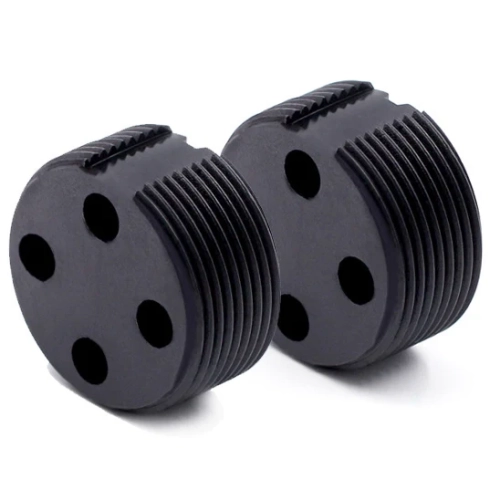
Bin identification & collection tracking
MOQ guidance: Confirm sample and order quantities for the selected configuration.
Identification in wood & pallets
MOQ guidance: Confirm sample and order quantities for the selected configuration.
Pallet & returnable asset tracking
MOQ guidance: Confirm sample and order quantities for the selected configuration.
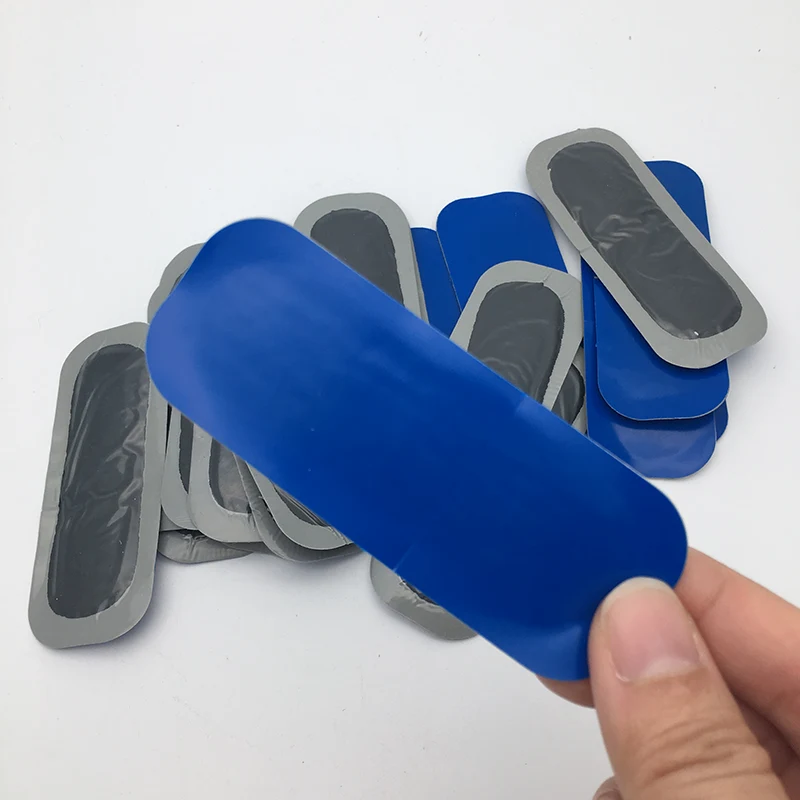
Tire identification by adhesive patch
MOQ guidance: Confirm sample and order quantities for the selected configuration.
Identification embedded during tire production
MOQ guidance: Confirm sample and order quantities for the selected configuration.
Metal assets in heat-exposed processes
MOQ guidance: Confirm sample and order quantities for the selected configuration.
Identification inside keys & components
MOQ guidance: Confirm sample and order quantities for the selected configuration.
Identification in compact assemblies
MOQ guidance: Confirm sample and order quantities for the selected configuration.
Identification on metal equipment
MOQ guidance: Confirm sample and order quantities for the selected configuration.
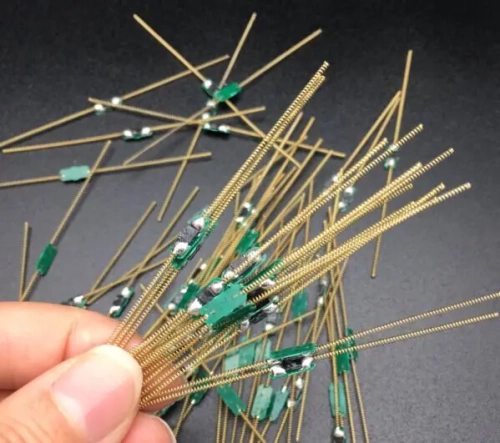
Identification in electronic assemblies
MOQ guidance: Confirm sample and order quantities for the selected configuration.
Equipment & metal asset identification
MOQ guidance: Confirm sample and order quantities for the selected configuration.
Linen identification & textile tracking
MOQ guidance: Confirm sample and order quantities for the selected configuration.
Button-format textile identification
MOQ guidance: Confirm sample and order quantities for the selected configuration.
Vehicle access & windshield placement
MOQ guidance: Confirm sample and order quantities for the selected configuration.
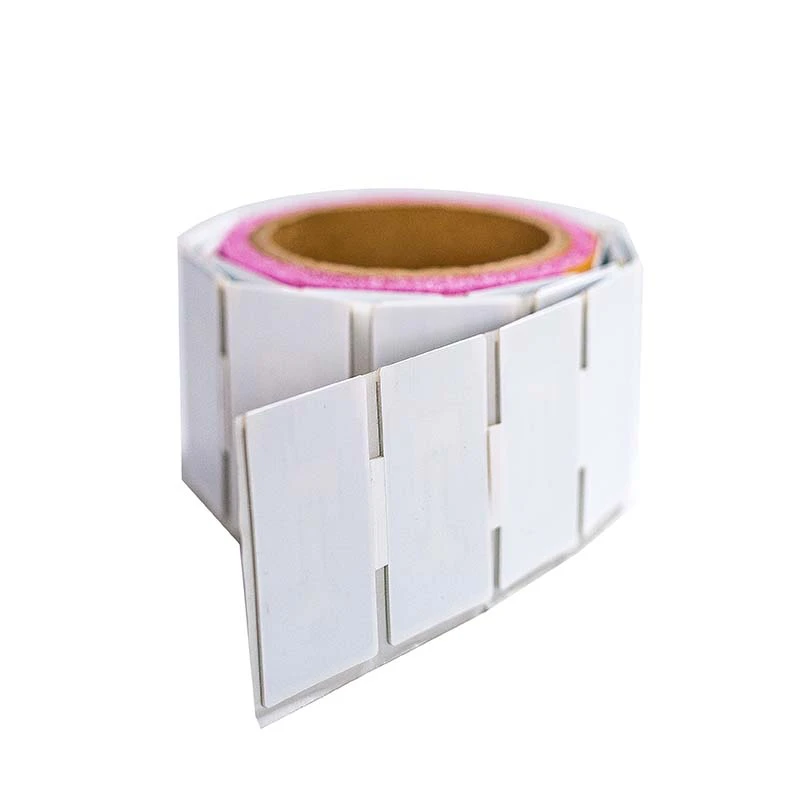
Labels for seals & product identification
MOQ guidance: Confirm sample and order quantities for the selected configuration.
Jewelry identification & inventory
MOQ guidance: Confirm sample and order quantities for the selected configuration.
Disc-format identification & integration
MOQ guidance: Confirm sample and order quantities for the selected configuration.
Transparent credentials & visible inlays
MOQ guidance: Confirm sample and order quantities for the selected configuration.
Encapsulated identification for specialist projects
MOQ guidance: Confirm sample and order quantities for the selected configuration.
Portable credentials for access systems
MOQ guidance: Confirm sample and order quantities for the selected configuration.
Portable credentials for access systems
MOQ guidance: Confirm sample and order quantities for the selected configuration.
Portable credentials for access systems
MOQ guidance: Confirm sample and order quantities for the selected configuration.
Portable credentials for access systems
MOQ guidance: Confirm sample and order quantities for the selected configuration.
Portable credentials for access systems
MOQ guidance: Confirm sample and order quantities for the selected configuration.
Portable credentials for access systems
MOQ guidance: Confirm sample and order quantities for the selected configuration.
Portable credentials for access systems
MOQ guidance: Confirm sample and order quantities for the selected configuration.
Portable credentials for access systems
MOQ guidance: Confirm sample and order quantities for the selected configuration.
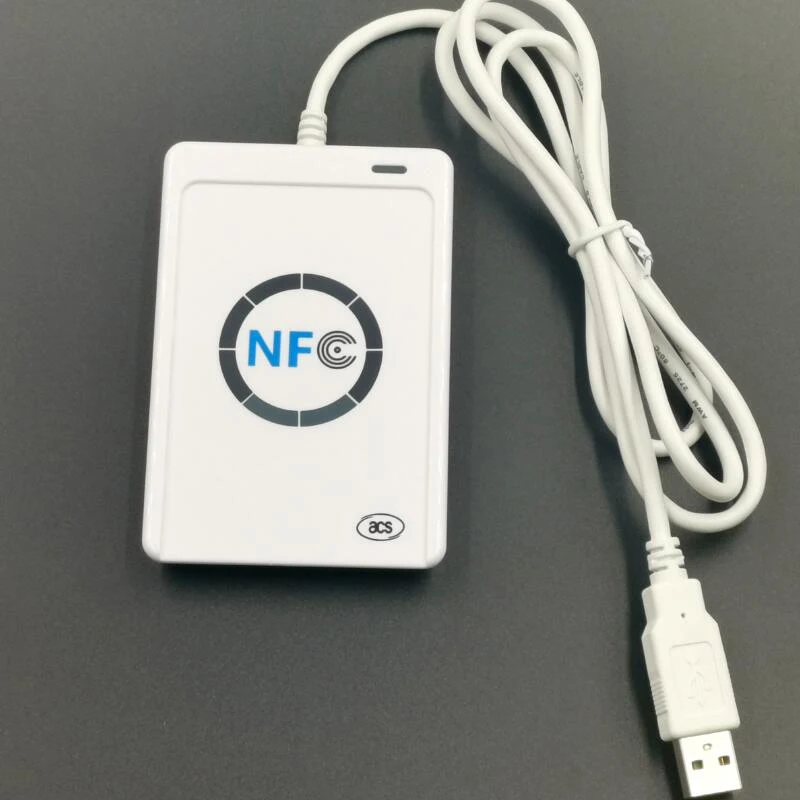
Reading, issuing & system integration
MOQ guidance: Confirm evaluation quantity and production quantity for the selected model
Reading, issuing & system integration
MOQ guidance: Confirm sample and order quantities for the selected configuration.
Reading, issuing & system integration
MOQ guidance: Confirm sample and order quantities for the selected configuration.
Reading, issuing & system integration
MOQ guidance: Confirm sample and order quantities for the selected configuration.
Reading, issuing & system integration
MOQ guidance: Confirm sample and order quantities for the selected configuration.
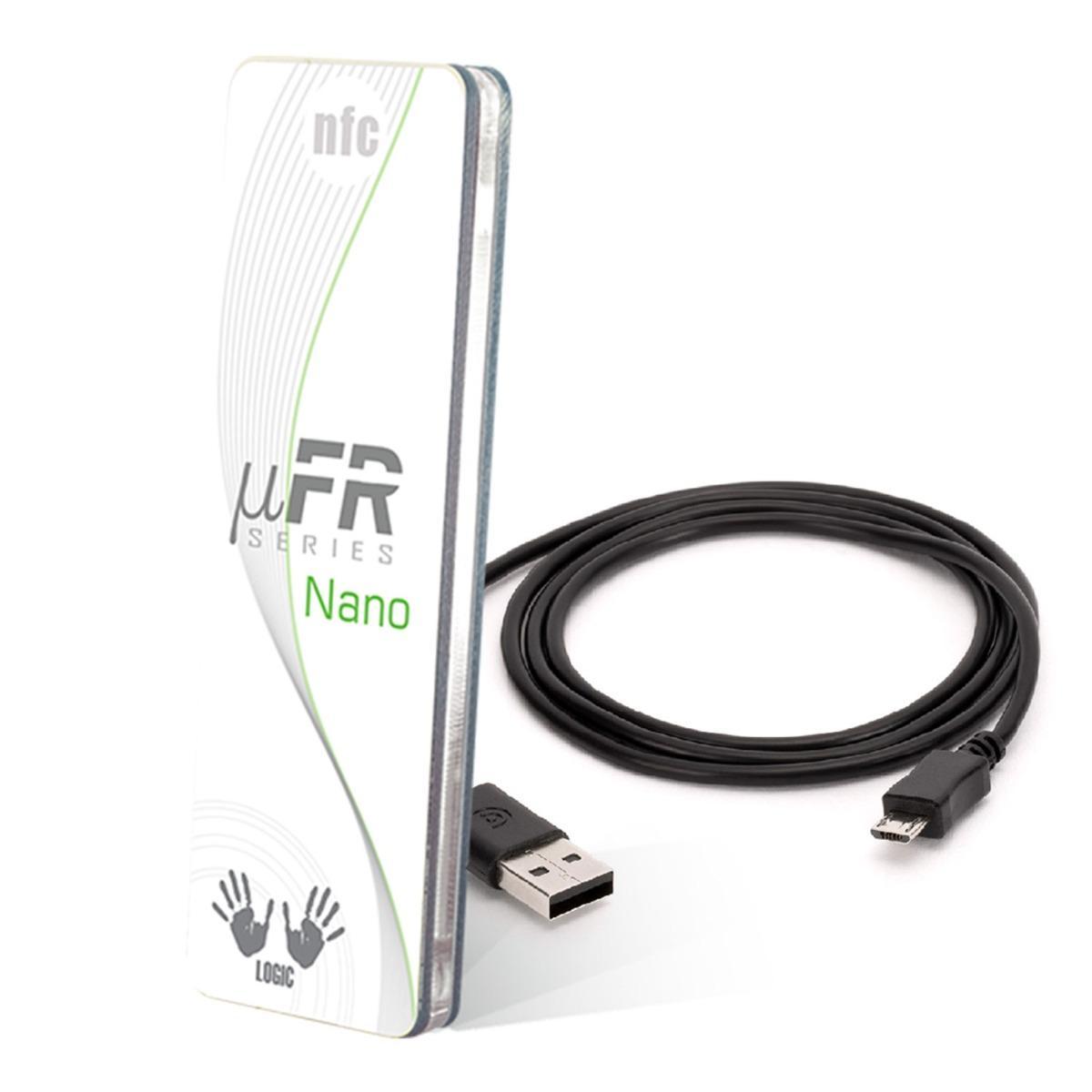
USB identifier capture for host applications
MOQ guidance: Confirm sample and order quantities for the selected configuration.
Reading, issuing & system integration
MOQ guidance: Confirm sample and order quantities for the selected configuration.
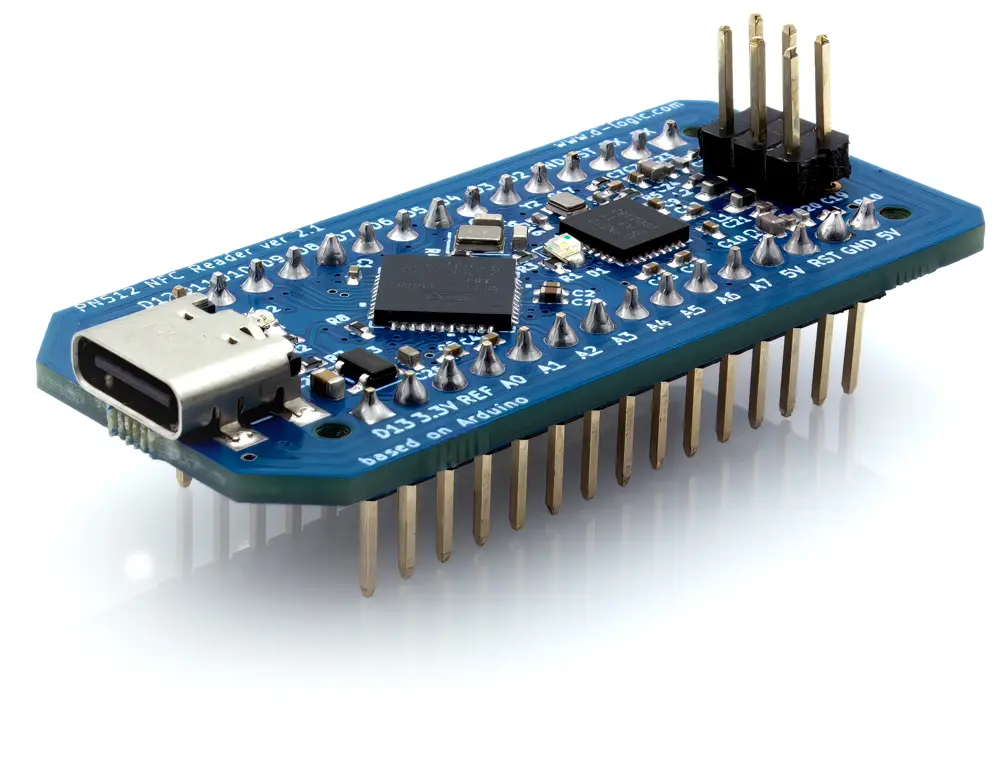
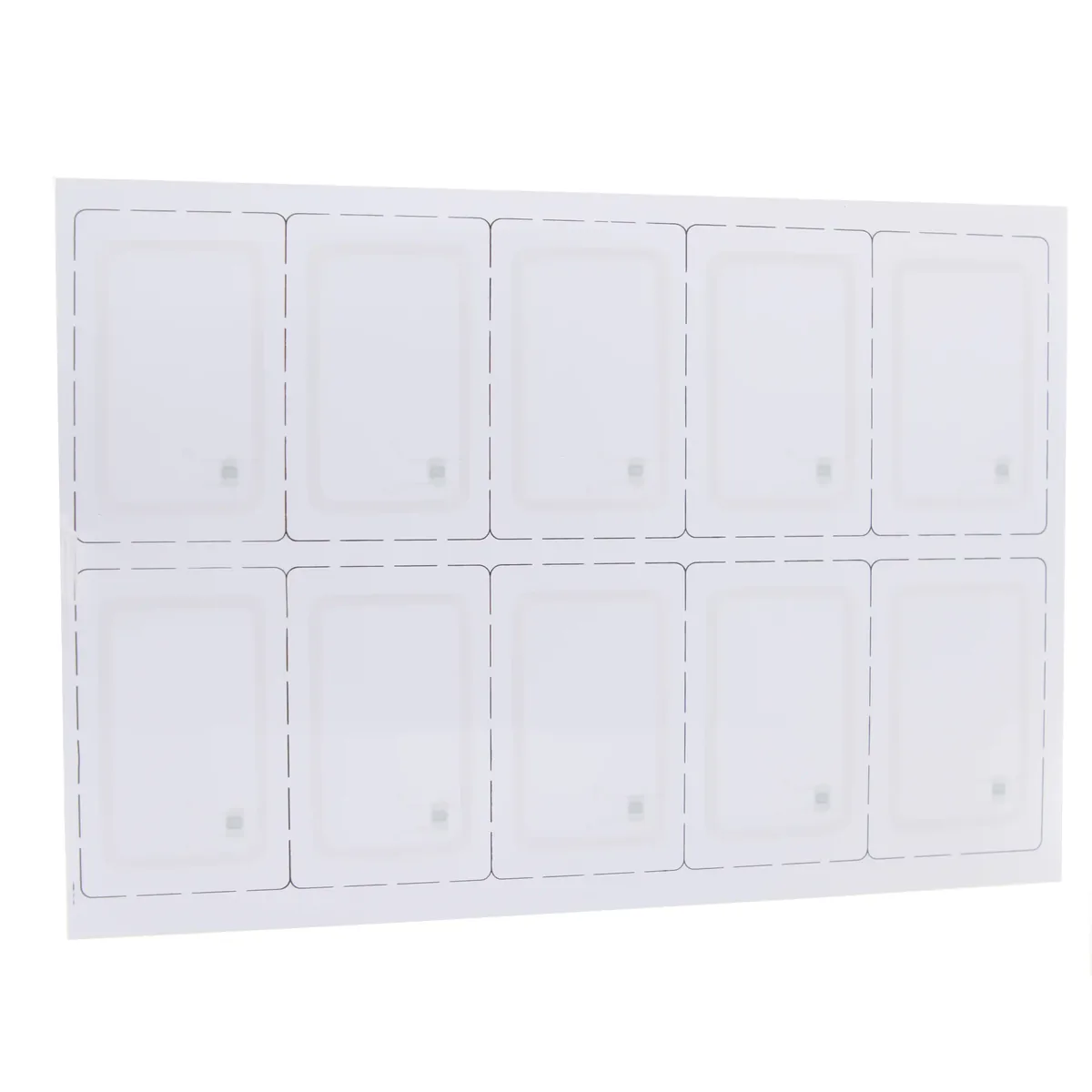
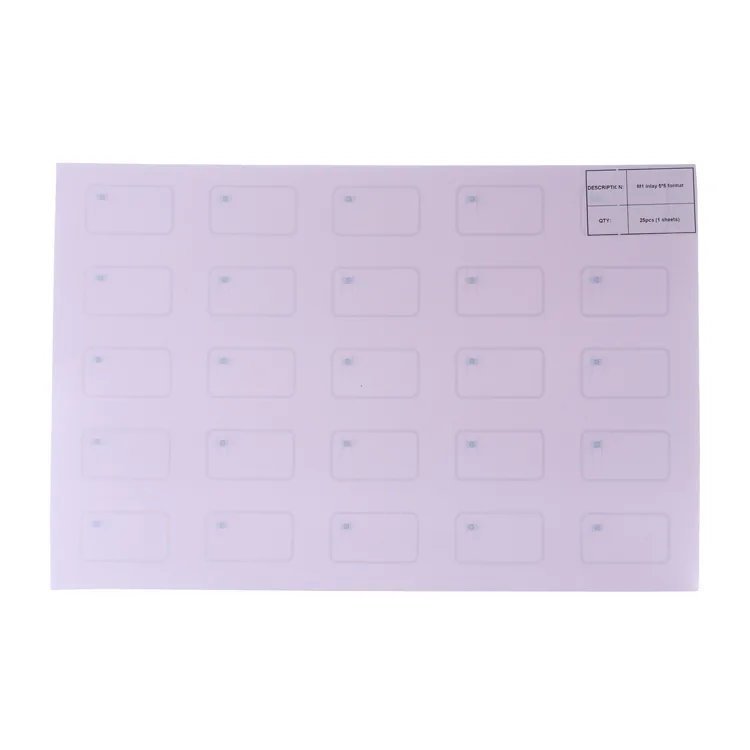
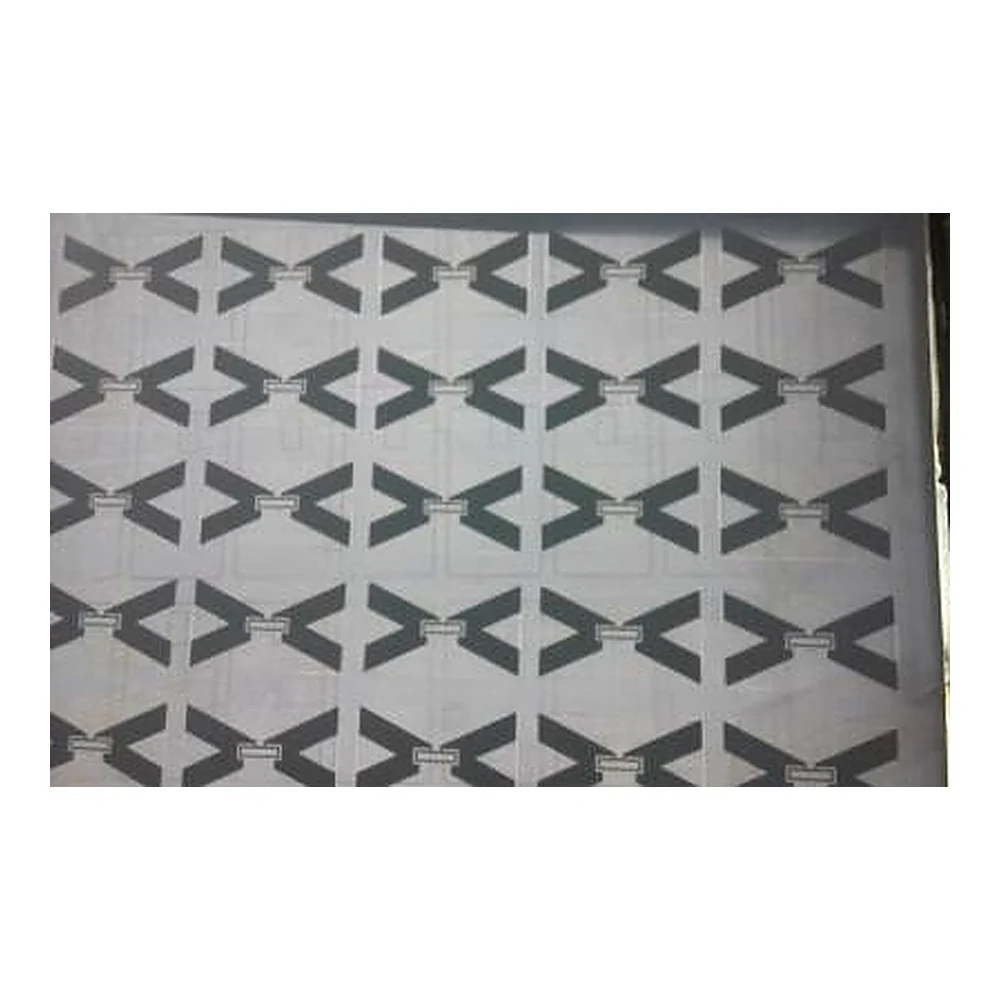
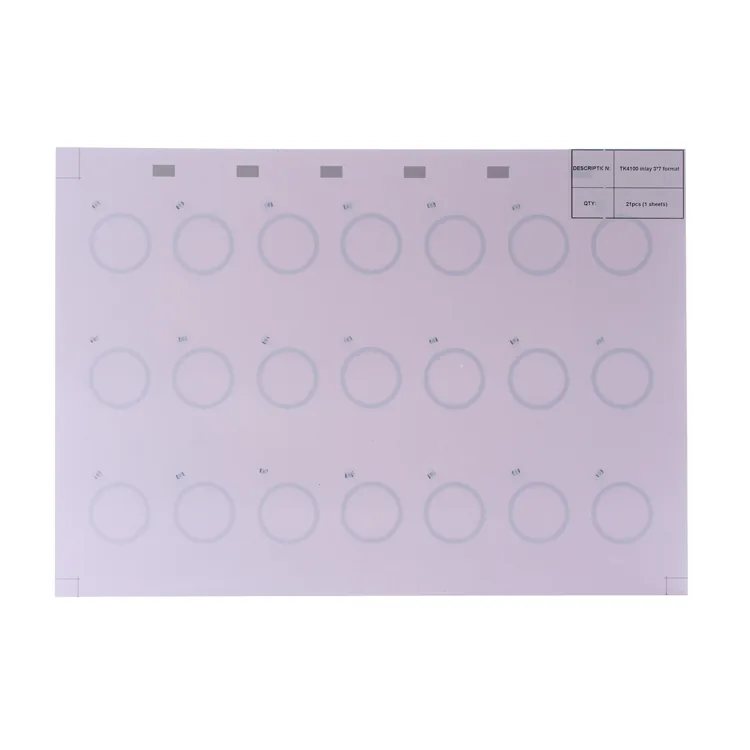
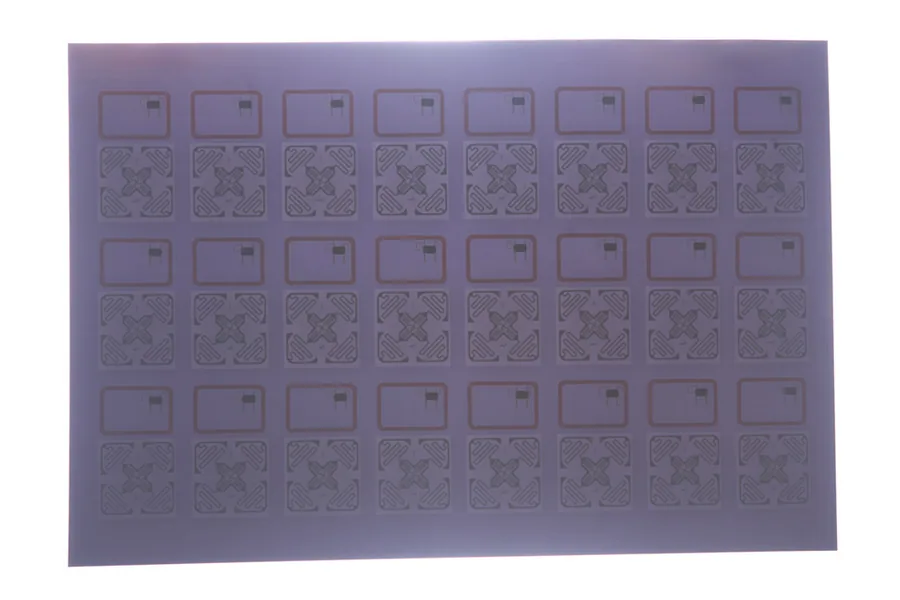
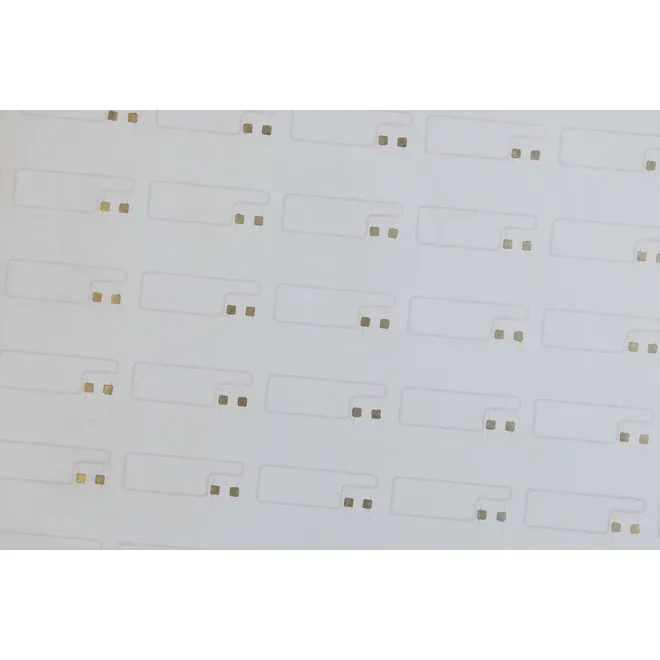
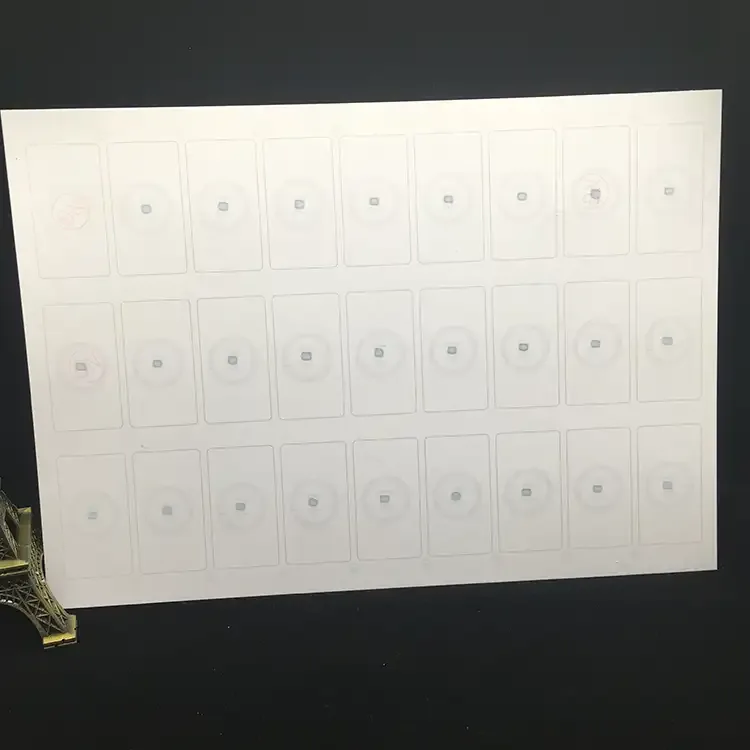
Semi-finished cores for card production
MOQ guidance: Confirm sample and order quantities for the selected configuration.
Semi-finished cores for card production
MOQ guidance: Confirm sample and order quantities for the selected configuration.
Semi-finished cores for card production
MOQ guidance: Confirm sample and order quantities for the selected configuration.
Semi-finished cores for card production
MOQ guidance: Confirm sample and order quantities for the selected configuration.
Semi-finished cores for card production
MOQ guidance: Confirm sample and order quantities for the selected configuration.
Semi-finished cores for card production
MOQ guidance: Confirm sample and order quantities for the selected configuration.
Semi-finished cores for card production
MOQ guidance: Confirm sample and order quantities for the selected configuration.
Semi-finished cores for card production
MOQ guidance: Confirm sample and order quantities for the selected configuration.
Semi-finished cores for card production
MOQ guidance: Confirm sample and order quantities for the selected configuration.
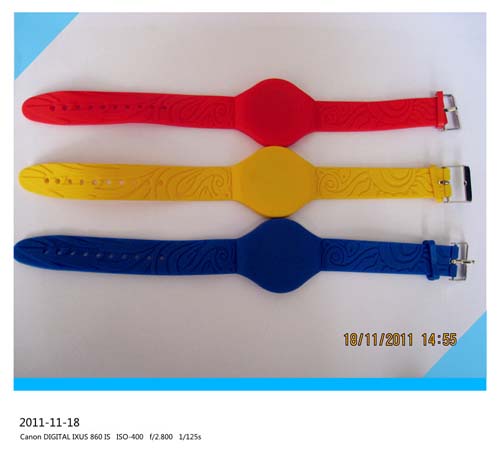
Wearable credentials; confirm system fit
MOQ guidance: Confirm sample and order quantities for the selected configuration.
Wearable credentials; confirm system fit
MOQ guidance: Confirm sample and order quantities for the selected configuration.
Wearable credentials; confirm system fit
MOQ guidance: Confirm sample and order quantities for the selected configuration.
Wearable credentials; confirm system fit
MOQ guidance: Confirm sample and order quantities for the selected configuration.
Your shortlist
Choose up to three products. Published MOQ and lead-time guidance depend on configuration; confirm the final specification and schedule in your quotation.
Swipe across the table to see each selected product.
Before placing an order
RFIDAK coordinates supply and quality requirements with contracted production partners. Your quotation defines the selected product, price and delivery arrangements.
Company responsibilities & evidence →Useful references
Open these resources directly.
No email needed.
Buying questions
Start with the reader or system the product must work with. LF includes 125 kHz and 134.2 kHz products, HF uses 13.56 MHz, and UHF tags use region-specific bands. A matching frequency does not guarantee protocol, security or software compatibility. Use the frequency filter to narrow options, then check the exact chip and test a sample.
Frequency selection guide →MOQ depends on the product, chip, printing, encoding and tooling. Where the product specification lists an MOQ, it appears with the product below and in the comparison. Stock, printed and custom configurations can have different minimums; confirm the final terms in your quotation.
Check product options →Yes. Agree the product configuration, sample quantity, availability, charges and freight before shipment. Custom tooling, artwork or encoding may require a separate sample plan. Use the samples to verify your reader and intended operating conditions before production.
Sample terms and freight →Options vary by product. Share your reader model, required chip or protocol, artwork and encoding requirements. For cards and credentials, test the proposed chip with your system. For labels, include the mounting surface, label dimensions and printer model.
Discuss system compatibility →The chip, construction, size, artwork, encoding and quantity affect price and production time. Your quotation should identify the configuration, payment terms, production start conditions, freight and Incoterm. Production lead time excludes shipping and customs unless the quotation explicitly says otherwise.
Shipping and Incoterms →RFIDAK is the trading brand of Shenzhen Proud Tek Co., Ltd in Shenzhen, China. We coordinate product specifications, sourcing, quality requirements and export. Manufacturing is performed by contracted partner lines. Request the production arrangement and evidence relevant to your selected product.
Company responsibilities and evidence →Bring us your requirements
Send your use case, quantity, reader or chip details if known, delivery country and target date.
May we use Google Analytics cookies to measure visits and inquiry actions? Your choice does not affect the contact form. Cookie details