RFID Library Label for Libraries in United States
RFIDAK can source rfid library label for libraries in United States. Identify the exact reader or platform, chip and encoding requirements, sample quantity and destination before approving a production configuration. Confirm price, production schedule, freight and import responsibilities in the written quote.
Procurement brief — United States
Why source rfid library label for libraries in United States
A US library converting books or media to RFID should first obtain the accepted tag data model and reader specifications from its library-system and kiosk vendors. ISO/IEC 15693 radio support or a claimed ISO/IEC 28560 data format does not by itself establish compatibility with every self-checkout, return chute or security gate. Confirm the chip, programmed fields, identifier mapping and any anti-theft or security-state procedure through a representative sample. Separate ordinary books from AV media and metallic covers, which can need different label placement or construction. Measure tagging throughput and read errors before estimating rollout time.
Check the installed system — United States library
Libraries may use different vendors for circulation software, staff pads, self-checkout and exit gates. Identify the reader and firmware versions at every station and whether the security function uses AFI, EAS or another method. Test one-item and multi-item transactions, returns, shelf reads and alarms with real collection materials; the library's circulation policy determines when a security state changes.
Industry summary
Libraries can use HF RFID for item identification, self-checkout, returns, shelf inventory and security. The exact label data model, chip and security-state behavior must match the installed circulation software, kiosks and gates. ISO/IEC 15693 radio support or an ISO/IEC 28560 data model can aid interoperability, but neither guarantees that a third-party label works across every vendor system. Test encoded samples on representative books and difficult media, including metalized AV packaging, before planning a collection-wide conversion.
5-point deployment checklist
Use these planning checks with your supplier and system integrator. Agree the test and approval criteria before ordering for United States.
- 1
Obtain the installed vendors' chip, data-model, encoding and security-state specifications before ordering labels
- 2
Encode and read back sample item IDs; test checkout, return, renewal and alarm-state changes on each installed station
- 3
Test books, thin volumes, AV media and metallic covers for placement, adhesion and expected read zones
- 4
Measure missed reads and unintended neighboring reads with representative shelves and book stacks rather than assuming a fixed count
- 5
Pilot staff tagging throughput, label write failures and exception handling before estimating full collection conversion
Shipping rfid library label to United States
For United States, confirm the finished rfid library label specification, order quantity, named delivery place and required arrival date. Ask for production and transit estimates separately. The importer or customs broker should confirm the finished article's classification, duties and required documents. For incoterm definitions, the full document checklist, and freight-planning detail, see ourshipping & incoterms guide.
Pilot planning examples
Illustrative scenarios for defining a sample test. These are not customer results or performance guarantees.
Example 1
Illustrative pilot scenario (not a customer case): A public library tags a representative shelf containing hardbacks, thin books and AV cases. Staff verify catalog-ID mapping, checkout, return and gate behavior before approving the label layout.
Example 2
Illustrative pilot scenario (not a customer case): A university library compares manual and applicator-assisted tagging on one branch collection. It records label placement, failed writes, duplicate IDs and staff time before planning a wider conversion.
Recommended RFIDAK SKUs
These are candidates to assess for libraries projects in United States; approve the exact configuration after testing.
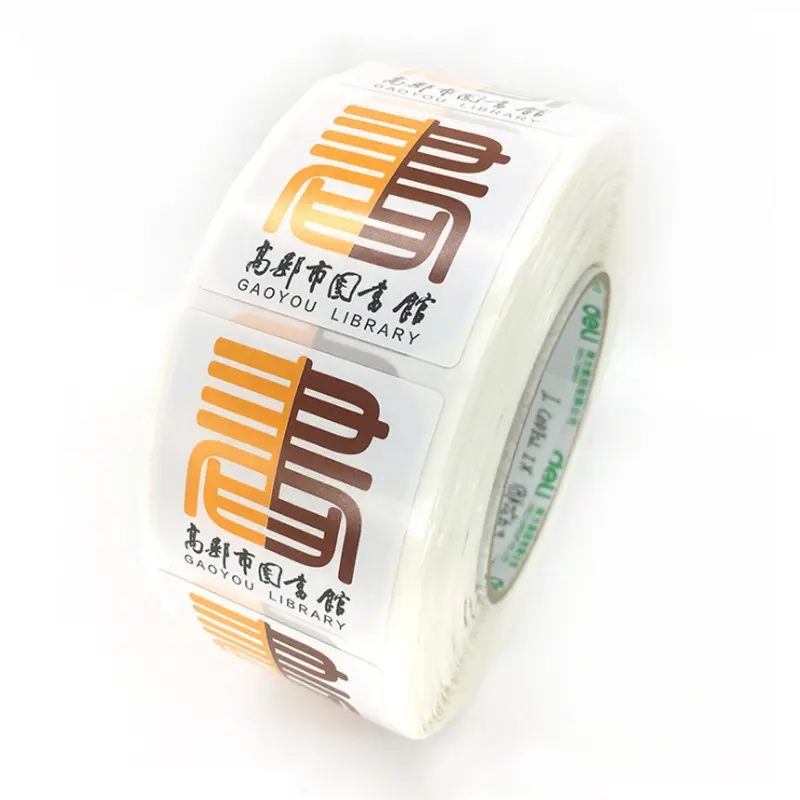
RFID Labels
Library RFID Tags
A library RFID label can support circulation, inventory or security workflows when its chip, data format and antenna match the installed equ…
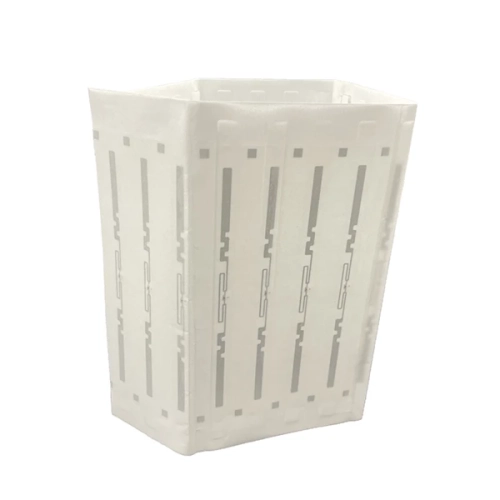
RFID Labels
UHF Library Label
A UHF library label is a slim contactless identifier for files, folders or collection items where the institution has a UHF reader workflow.…
Frequently asked — United States library buyers
Are library labels automatically compatible with 3M or Bibliotheca equipment?▾
No. Request each installed vendor's chip, radio, data-model and security-state requirements and test encoded samples through the actual kiosk, return station and gate. A shared frequency or an ISO reference is only a starting point.
How should a large library scope its collection pilot?▾
Select representative books, AV media and difficult covers. Define catalog mapping and write-verification rules; measure staff time, failed encodes and full checkout/return behavior. Use those measured results to set the rollout schedule rather than a fixed collection-size estimate.
What should a US procurement quote include?▾
Specify the approved chip, antenna and label construction, print and encoding, roll format, samples, quantities and destination. Have the importer confirm current classification, duties and documents for the finished labels and obtain a written freight and delivery quote.
Can I request samples of rfid library label before placing a bulk order to United States?▾
Standard catalog samples follow the current sample policy. Confirm availability, preparation, freight and any order credit for the selected configuration before shipment. See the sample policy for the published baseline.
What payment terms does RFIDAK accept for United States buyers?▾
Standard terms are 30% T/T deposit, 70% balance before shipment. PayPal accepted for sample orders under $500. L/C at sight or 50/50 terms for established accounts.
Ready to source rfid library label for United States?
Share the installed reader or platform, required chip and encoding, quantity, destination and target date. Confirm sample terms, price and delivery in the written quote before bulk approval.
Request a Project QuoteTest RFID Samples Before You Order
Free stock samples (up to 5 pieces) — buyer covers DHL/FedEx freight ($25–60), refunded 1:1 against the first production order over $500. Custom samples may cost extra. Confirm the sample configuration, availability and dispatch date before shipment.
Request the RFIDAK product catalog (PDF). Our team will reply by email.
We'll only use your email to send the catalog and reply to your inquiry.