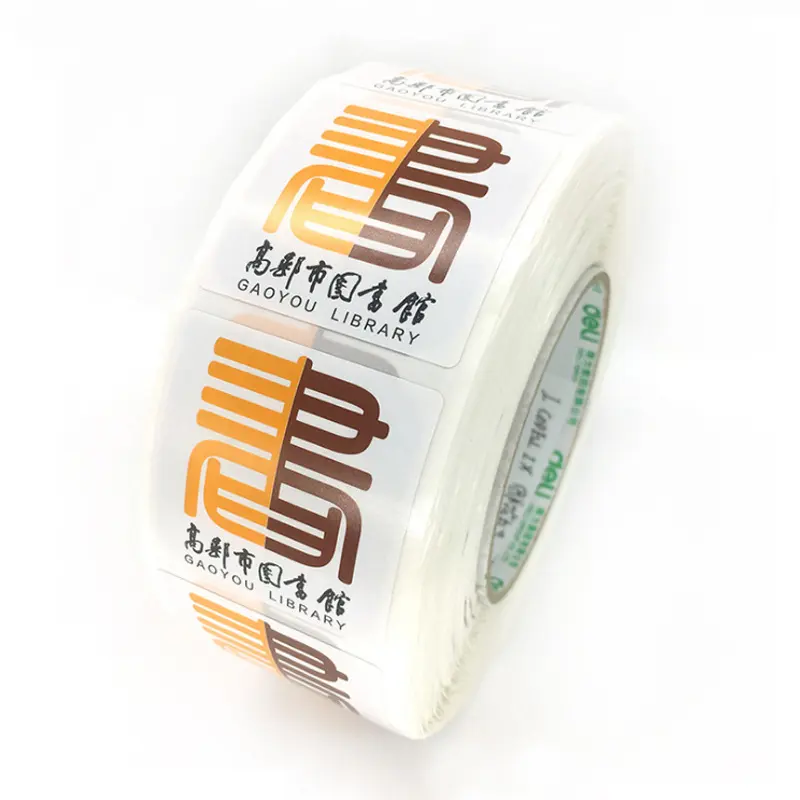
HF Library RFID Labels
HF ISO/IEC 15693 label candidates for a supported library system. Confirm the chip variant, item-data profile and required circulation or gate commands.
Library and collection identification
Choose library RFID labels around the installed readers, item-data format and library software workflow. HF ISO/IEC 15693 book labels and UHF inventory labels require different reader support; the air-interface standard alone does not define how an item record is encoded. RFIDAK can review label construction and supported preparation against your integrator’s specification. Pilot representative books and media through encoding, circulation, security gates and inventory before approving a collection-wide purchase.
Equipment references · Data profile · Collection and quantity · Sample terms
Updated · Product selection and sample planning
Confirm the chip, construction and system fit for your configuration.
Before choosing a product
Match the reader protocol and the library’s encoding profile. A detected tag still needs to resolve to the correct item record in the circulation software.
Books, foil covers, discs and archival files present different placement and material constraints. Ask for a suitable construction and test it on representative items.
Use known item sets to check encoding, checkout and return, gate behavior, missed inventory reads and unintended reads from nearby collections.
Ask the library integrator to approve the chip variant, data profile and security-state handling. A label order does not establish the software connection to the integrated library system (ILS).
Scroll across the table to compare all columns.
| Collection or project | Specification to confirm | Pilot evidence to collect |
|---|---|---|
| Existing HF circulation system | ISO/IEC 15693 support, the approved ICODE or other chip variant, item-data profile and required AFI/EAS handling. | Encode and read back the correct record; verify checkout, return and gate behavior on installed equipment. |
| UHF shelf or archive inventory | EPC Gen2 / ISO/IEC 18000-63 reader support, deployment region, tag memory/data allocation and inventory-software mapping. | Inventory known sets in their real positions; record misses and unintended reads from adjacent shelves or files. |
| Mixed books, foil covers or discs | Label construction and location for each material; dimensions, adhesive and any content-conservation requirements. | Read and handle representative items, including stacked and shelved arrangements, using the proposed placement. |
| Patron or staff cards | The circulation or access system’s accepted credential specification and enrollment method, separately from item labels. | The card identifies the intended test account and works in each approved service. |
| Phased conversion or mixed suppliers | Existing item identifiers and encoding profile, conversion rules, duplicate handling and the agreed coexistence period. | New and existing items resolve correctly without duplicate records; retain barcode fallback where the library requires it. |
A shortlist for your evaluation
Open the product page for its specification and evaluation requirements. These are hardware candidates; system integration and sample acceptance depend on your project.
HF ISO/IEC 15693 label candidates for a supported library system. Confirm the chip variant, item-data profile and required circulation or gate commands.
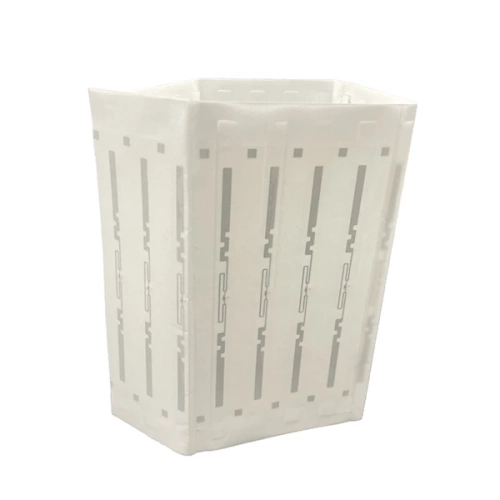
UHF label candidates for compatible inventory equipment and software. Test the chosen placement on real books or files; these are not replacements for HF labels.
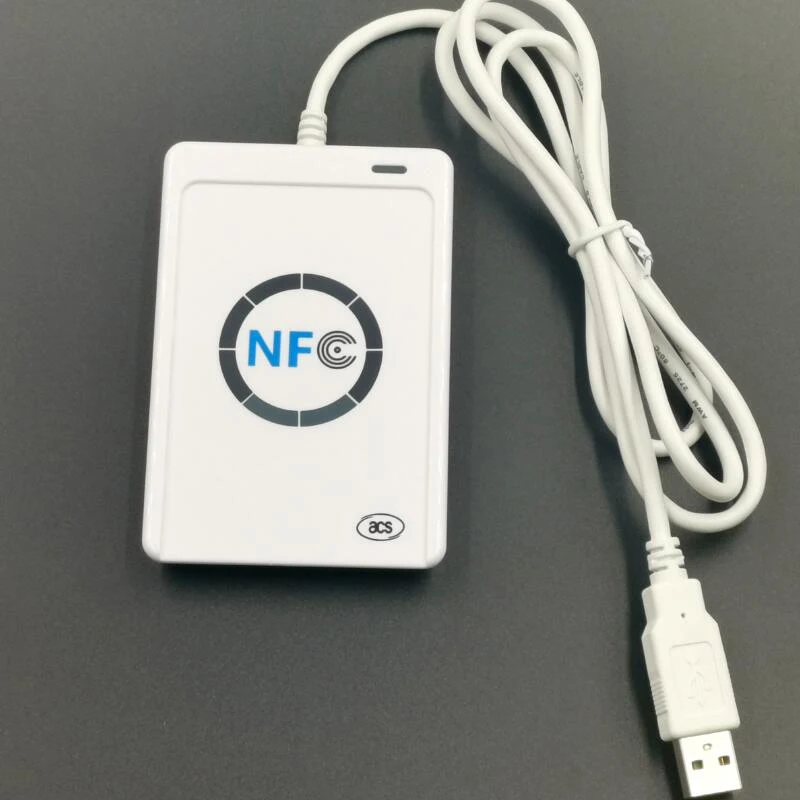
Reader selection reference. Confirm exact-model ISO/IEC 15693 support, required commands and software integration for HF library work; this hub does not establish an ICODE-compatible model or supply a UHF inventory reader.
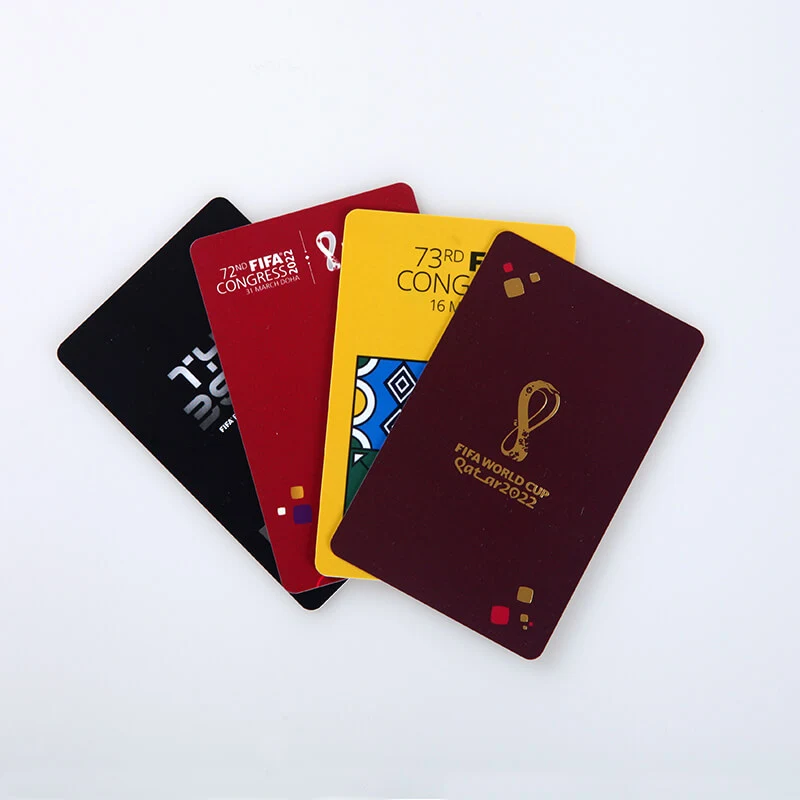
Patron or staff credential candidates, selected against the relevant circulation or access system. Book-label compatibility does not establish card compatibility.
From shortlist to approval
The library and integrator own the data profile, circulation connection and equipment configuration. RFIDAK reviews the physical labels and agreed preparation; record the division of work in the sample plan.
Buyer questions
Only if the installed equipment and software explicitly support the new technology and data workflow. An HF ISO/IEC 15693 reader does not read a UHF label through its HF interface. Review desk stations, gates and inventory devices separately, then pilot the proposed technology before changing a collection.
No. ISO/IEC 15693 addresses the RF interface; the library also needs an accepted item-data encoding profile and workflow. ISO 28560 has different parts, including Part 2 for data encoding. Ask the integrator to name the applicable part, version and any local profile, then verify the correct item record in the actual software.
Choose by exact protocol, chip and required operations. A generic NFC label may use a different protocol or data format. A USB connection does not establish ISO/IEC 15693 support, required AFI/EAS commands or an ILS connector. Confirm the precise reader model and library-software support before evaluating samples.
No. Test the security-state workflow separately on the installed equipment. Some library configurations use AFI or EAS functions; the required commands, settings and any protection depend on the chip and system. Verify the library’s expected gate response before and after checkout and return, including representative item groups.
They may serve different systems and data models. Item labels identify collection records; patron cards identify accounts or access credentials. Ask the circulation and access providers to confirm each accepted specification and enrollment process. Test both workflows independently even when their operating frequency is the same.
Choose a known set spanning the actual collection materials and existing encoding profiles. Verify barcode-to-item mapping, new and existing labels, checkout and return, gate response and shelf inventory. Agree how duplicate identifiers and unconverted items are handled. Keep the accepted label, data profile and results as references for later batches; RFIDAK’s label quotation does not include an ILS or self-service software deployment.
Check the basis for the decision
These references describe published chips, standards, product examples or systems. Confirm the offered RFIDAK configuration and your installation separately.
Documents the ISO/IEC 15693 RF interface and chip-specific AFI/EAS functions. These are IC capabilities, not proof of compatibility with a library system.
The passive UHF reader-to-tag protocol used by the UHF label candidates. Reader support, data mapping and the finished label still require application testing.
The public scope describes library item-data encoding. The required part, version and implementation profile must be confirmed with the library integrator.
NISO RP-6-2012 is a U.S. implementation recommendation covering interoperability and migration. It is a dated, regional reference rather than a universal current requirement.
NCIP concerns communication between library applications. It illustrates the software-integration layer that remains separate from selecting an RFID label.
Make the next conversation useful
Share reader and gate references, the approved data profile, collection materials and quantities. We can review suitable label candidates and a pilot scope for your library and integrator.
Share equipment references, approved profiles and synthetic item examples. The first inquiry does not need patron records, production credentials or a complete library database.
May we use Google Analytics cookies to measure visits and inquiry actions? Your choice does not affect the contact form. Cookie details