NXP UCODE 8 textile laundry tags
RFIDAK lists NXP UCODE 8 as a chip option in its textile laundry tag model sheets. Compare the finished model, attachment and process requirements, then confirm chip availability and an agreed sample test. The standard tag MOQ baseline is 1,000 pieces; the configuration and delivery schedule are confirmed in the quotation.
Quick spec — NXP UCODE 8 Laundry Tag
- Chip option
- NXP UCODE 8 — confirm availability
- Radio protocol
- UHF EPC Gen2; verify the finished model and regional settings
- Chip memory
- 128-bit EPC; 0-bit user memory
- Data controls
- 32-bit access and kill passwords; confirm encoding and lock rules
- Textile construction
- Compare LDT301 / LDT7010 model sheets; backing and attachment vary
- MOQ baseline
- 1,000 pieces; confirm the configuration
- Samples and delivery
- Agree availability, costs and schedule in the quote
Chip technical brief
NXP lists UCODE 8 with 128 bits of EPC memory, no user memory, -23 dBm read sensitivity and 32-bit access and kill passwords. Self-Adjust is an RF performance feature; it does not establish resistance to heat, chemicals or washing. The finished antenna, encapsulation, attachment and process determine the tag result. NXP currently marks the UCODE 8 / 8m product page No Longer Manufactured, so confirm the exact chip, traceable availability and repeat-order plan in the quotation rather than assuming new production or stock.
Technical references: NXP UCODE 8 / 8m product status and specifications · NXP UCODE chip comparison. Confirm current status when ordering.
Buyer one-liner
128-bit EPC and no user memory; confirm supply and validate the finished textile model.
Typical use cases
- ▸Textile and linen identification
- ▸Workwear / uniform inventory
- ▸Retail item identification
Reader requirements to validate
Confirm the exact reader model, firmware, antenna, supported protocol and application or credential data with the system owner. Test the finished sample on the installed setup; a chip datasheet or shared frequency does not establish compatibility.
Laundry Tag construction and approval
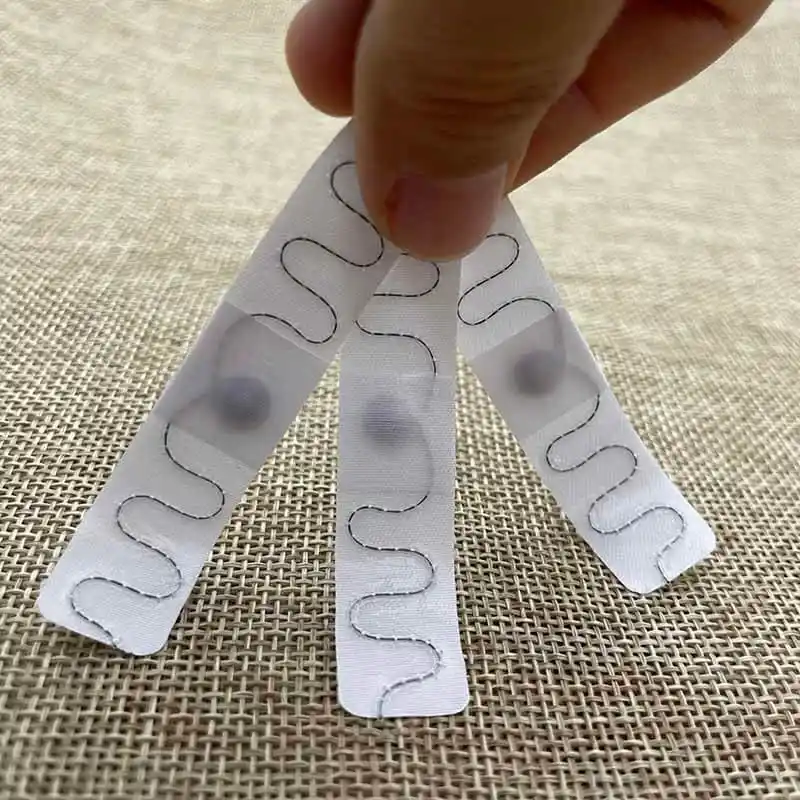
RFIDAK supplies textile laundry tags in eight documented LDT301 / LDT7010 models, with separate silicone-strip and PPS-button products to compare. Size, backing, attachment and RF behavior belong to the selected model. UCODE 8 / 9 options are listed on the textile model sheets; confirm the supplied chip before approval. Sewing, pouch insertion and heat sealing have different construction requirements. Obtain the installation settings for the selected tag and textile. Published wash-cycle figures and temperature limits must be read with their process conditions; a chip or material name does not establish service life or sterilization suitability. The standard MOQ baseline is 1,000 pieces; confirm the configuration, packaging, encoding, sample terms and delivery schedule in the quotation.
Typical sizes
- • 70 × 15 mm textile models
- • 70 × 10 mm textile models
- • 58 × 15 mm textile model
- • Other dimensions depend on the model
Materials
- • Polyester textile construction
- • Silicone strip
- • PPS button
Document scope to verify
Request current documents for the exact finished article, materials and destination. A form-factor name does not establish a certification or IP rating.
Why source NXP UCODE 8 laundry tags from RFIDAK
RFIDAK lists UCODE 8 as an option on its textile laundry tag model sheets. Compare the eight LDT301 / LDT7010 models by size, backing and installation, then specify the required chip and data format. UCODE 8 provides EPC memory for an item identifier; the finished construction and processing conditions determine durability. Its RF Self-Adjust feature is not evidence of thermal or chemical resistance. Since NXP marks its UCODE 8 / 8m product page No Longer Manufactured, obtain confirmation of chip availability and the repeat-supply plan before approving an order.
Buyer snapshot
Laundry operators, linen service providers and integrators evaluating a textile model with UCODE 8, including buyers replenishing an existing approved chip configuration.
Planning examples
Illustrative evaluation plans, not reported customer results.
Example 1
Replenishment planning: compare a candidate sample with the recorded model, chip, backing and attachment from the existing linen fleet. Check encoding and production reader behavior, then agree whether any component change requires renewed process approval.
Example 2
Pilot planning: bind each EPC to a textile item, establish reads on known wet and dry loads, and repeat the same checks after agreed wash and finishing checkpoints. Record physical damage, attachment loss and reading failures separately.
Compare with other laundry tags
The textile model sheets list these chip options. Compare memory and validate the finished construction, reader behavior and current availability. Agree sample quantities and terms in the quote.
| Chip | Memory | Security | Typical Use | Quote basis |
|---|---|---|---|---|
| NXP UCODE 8 (this page) | 128-bit EPC; 0-bit user memory | 32-bit access and kill passwords; confirm encoding and lock rules | Textile model option; confirm the supplied chip | Quote by model |
| NXP UCODE 9 | 96-bit EPC; 0-bit user memory | Access and kill password controls; confirm encoding and lock rules | Textile model option; confirm the supplied chip | Quote by model |
Recommended RFIDAK SKUs
The textile model sheets list NXP UCODE 8 as an option. Confirm the chip and model in the quotation; a published option is not a stock commitment.
Frequently asked — NXP UCODE 8 laundry tags
Can I still order a textile laundry tag with UCODE 8?▾
UCODE 8 is listed on the RFIDAK textile model sheets, but NXP currently marks its UCODE 8 / 8m product page No Longer Manufactured. Confirm the exact chip, traceable availability and quantities in the quote. Approve any proposed substitute on the installed system and through the agreed textile process before changing the production specification.
Does UCODE 8 determine how many wash cycles a tag survives?▾
No. The antenna, encapsulation, attachment, textile and processing conditions determine the finished-tag result. Read a model sheet's cycle figure with its wash, drying and finishing conditions. Document any sterilization exposure separately and agree a pilot with physical and RF acceptance checks.
What data can be encoded in a UCODE 8 laundry tag?▾
NXP lists 128 bits of EPC memory and no user memory for UCODE 8. Agree an EPC identifier and its mapping to your textile records. Keep the factory TID and any printed number as separate fields, confirm access or lock rules, and approve a read-back file before production encoding.
Which reader should I use to test the textile tag?▾
Use a compatible UHF EPC Gen2 reader, with hardware and regional settings matched to the installation country. A phone's built-in NFC or an ordinary HF desktop reader does not read this UHF tag. Test the selected model on representative wet, dry, folded and stacked textiles using a known item count.
What MOQ, sample terms and certification should I confirm?▾
The standard tag MOQ baseline is 1,000 pieces; confirm the model, chip availability, encoding and quantity in the quotation. Agree sample charges, freight and the production schedule separately. Match any OEKO-TEX or other document to the exact article and current scope; a material certificate does not establish wash-cycle life.
Ready to source NXP UCODE 8 laundry tags?
Request the model, chip availability, sample terms and an agreed delivery schedule. Standard MOQ baseline: 1,000 pieces; confirm your configuration.
Request a Model & Chip QuoteTest RFID Samples Before You Order
Free stock samples (up to 5 pieces) — buyer covers DHL/FedEx freight ($25–60), refunded 1:1 against the first production order over $500. Custom samples may cost extra. Confirm the sample configuration, availability and dispatch date before shipment.
Request the RFIDAK product catalog (PDF). Our team will reply by email.
We'll only use your email to send the catalog and reply to your inquiry.