Europe Buyer Hub
Laundry RFID tags for European linen, workwear and reusable textile programs
For a European linen or uniform program, compare the finished UHF tag model with your textile, attachment method and processing conditions. RFIDAK publishes eight textile model sheets and offers separate silicone-strip and PPS-button formats. Match the tag and reader configuration to the installation country, then test representative wet and dry loads through the agreed wash and finishing process. Check certificates and test reports against the exact ordered article.
Market Signals
Why buyers in Europe often land on this product focus first
Industrial laundry circulation
Programs often involve large linen or garment volumes where attachment method and long-cycle survivability matter as much as chip choice.
Healthcare and workwear traceability
Workwear and healthcare textile buyers usually want consistent reading through repeated wash, sort and return workflows.
Pilot validation before scale-up
European deployments commonly begin with a controlled pilot to confirm wash performance, reader behavior and handling speed.
Recommended Products
Product pages that usually move this conversation forward
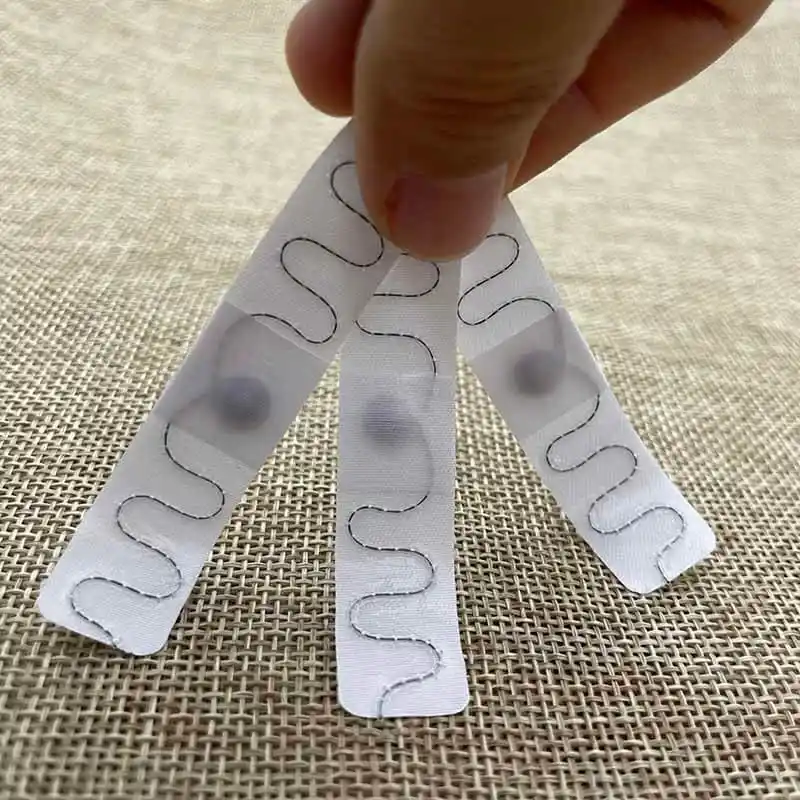
Textile RFID Laundry Tag
Textile UHF RFID laundry tags identify individual linens, towels and uniforms through commercial laundry workflows.
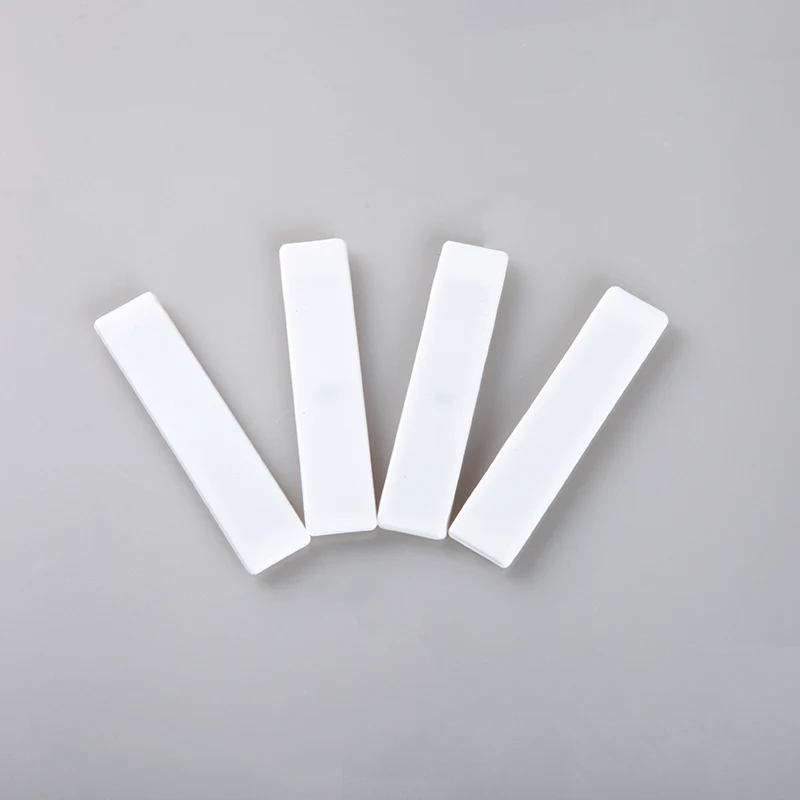
Silicone RFID Laundry Tag
A silicone RFID laundry tag uses a flexible strip body for linen, uniforms and garment identification.
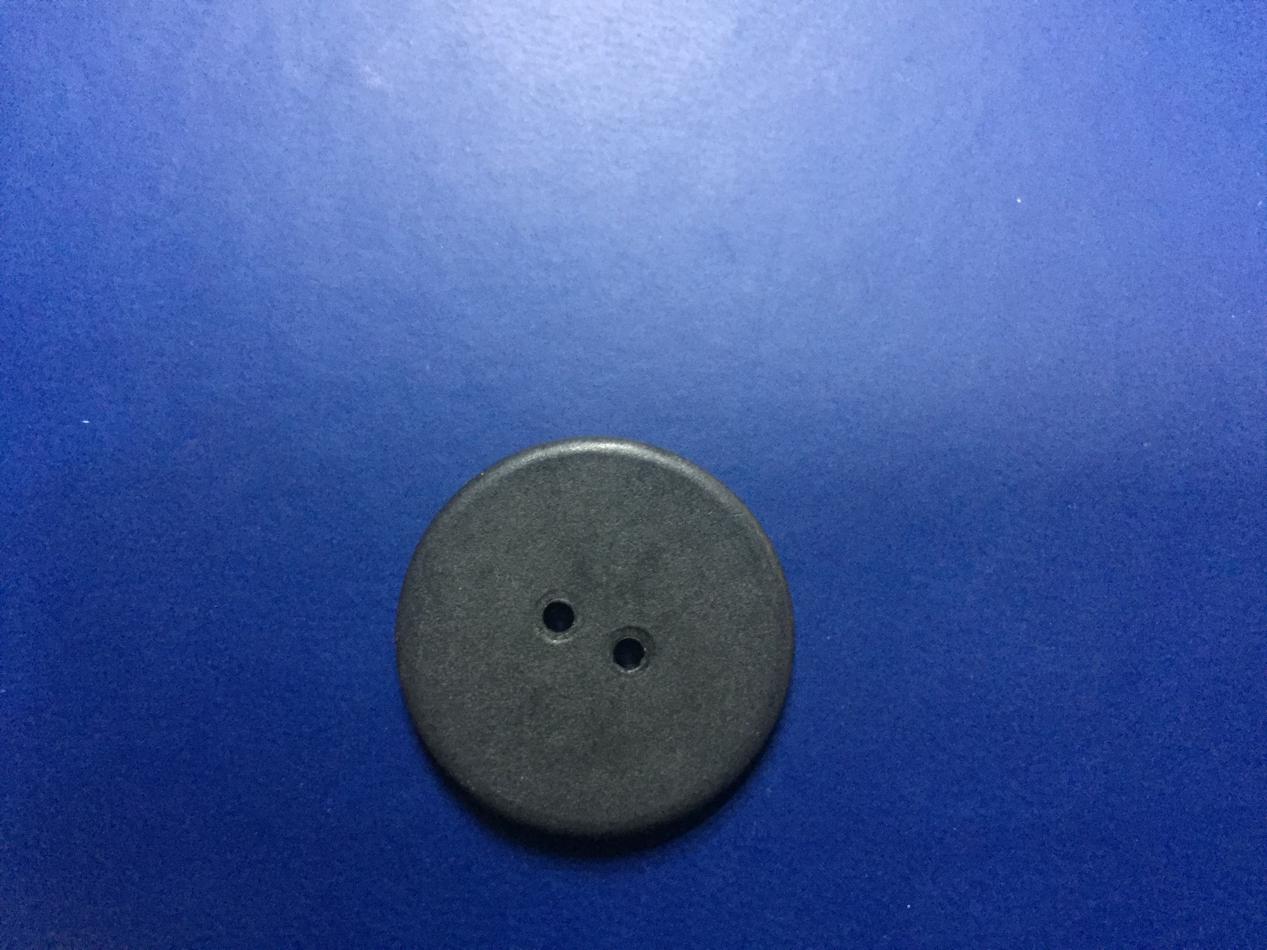
PPS RFID Laundry Button
A PPS RFID laundry button is a rigid, round tag format for garment identification.
Buyer Profiles
Who usually buys this mix of products in Europe
Use the buyer profiles below to judge whether the shortlist should start with samples, compatibility work, price comparison or repeat-supply planning.
Industrial laundry operators
Usually comparing washable tag formats, sewing or heat-seal attachment methods and how quickly a pilot can move into regular replenishment.
Healthcare and hospitality textile programs
Often focused on linen traceability, garment lifecycle visibility and tags that survive repeated handling without creating discomfort or damage.
System integrators for laundry software
Typically need reader compatibility, on-site test support and tag formats that behave consistently across the operational flow.
Decision Drivers
What usually shapes the buying discussion next
Attachment method drives success
Choosing between sewn, pouch or heat-seal installation is often the difference between a smooth deployment and early tag failure.
Wash environment should be specified early
Temperature, detergents, pressure and ironing conditions help narrow down the right laundry tag faster than simply asking for a generic washable tag.
Repeat supply matters after the pilot
Once the pilot proves out, buyers usually want the same approved construction available for regular replenishment without specification drift.
Inquiry Checklist
What European laundry buyers usually clarify before sample approval
The most productive laundry RFID conversations start with the wash environment, the textile type and the attachment method instead of chip name alone.
- Whether the tags will go into flat linen, uniforms, garments, mats or another textile class.
- Temperature and duration for wash, drying, finishing and any sterilization; chemicals and extraction pressure.
- Chosen model, backing, attachment position and approved sewing, pouch or heat-seal settings.
- UHF reader model, antenna layout, installation country, wet / dry loads and pilot acceptance criteria.
- Estimated textile volume, replenishment rhythm and shipping destination.
Useful Links
Pages that support the next buyer decision
Comparison Pages
Head-to-head pages that often help this regional buying path
Open these if buyers in Europe still need to settle format, frequency or product construction before sending the first RFQ.
Textile vs silicone laundry tags
Compare textile RFID laundry tags with silicone strips by dimensions, attachment, process evidence, reader fit and a...
Frequency selection · Read event firstHF vs UHF RFID
Compare 13.56 MHz HF/NFC with UHF RFID by interaction, readers, regional configuration and sample acceptance.
Related Markets
Compare nearby regional buying paths if the market route is still open
RFID cards for access, hotel and membership programs
Buyer-focused landing page for North American RFID card sourcing. Compare access cards, hotel key cards, clamshell cards and card inlays with sample planning, compatibility checks and repeat-order support.
Middle EastAnti-metal RFID tags for facilities, equipment and outdoor assets
Buyer-focused landing page for Middle East anti-metal RFID projects. Compare printable metal tags, ceramic tags and rugged on-metal formats with mounting guidance, sample validation and shipping support.
FAQ
Common questions from this market and product focus
What details matter most when choosing a laundry RFID tag for Europe?+
The most important inputs are textile type, wash conditions, attachment method and the read points in the real workflow. Those factors usually determine the tag construction faster than price alone.
Is a pilot run recommended before a full laundry rollout?+
Yes. A pilot helps confirm read consistency, attachment durability and how the tag behaves through your actual wash and sort cycle before wider deployment.
Which laundry RFID tag format is best for garments versus flat linen?+
There is no single best format. Garments, workwear and flat linen often suit different tag shapes or attachment methods, so matching the tag to the textile and handling routine is important.
What is the MOQ and how should repeat laundry tag orders be specified?+
The standard MOQ baseline is 1,000 pieces; confirm the selected model and configuration in the quote. Record the approved chip, backing, attachment, encoding and acceptance checks for repeat orders. Agree sample costs, freight and the production schedule separately.
Does OEKO-TEX certification establish wash durability for every laundry tag?+
No. OEKO-TEX STANDARD 100 concerns harmful-substance testing for the article described on the certificate. Match the ordered textile construction, backing and any color or adhesive change to that scope and check current status. It does not establish the wash-cycle life, read performance or sterilization suitability of every textile, silicone or PPS tag.
Need laundry RFID tags for a European textile program?
Share your wash environment, attachment method and pilot scope. We can suggest the most practical sample set and outline a repeat-supply path after validation.
Test RFID Samples Before You Order
Free stock samples (up to 5 pieces) — buyer covers DHL/FedEx freight ($25–60), refunded 1:1 against the first production order over $500. Custom samples may cost extra. Confirm the sample configuration, availability and dispatch date before shipment.
Request the RFIDAK product catalog (PDF). Our team will reply by email.
We'll only use your email to send the catalog and reply to your inquiry.