On this page
Compare the requirements that change the choice
| Decision point | Textile laundry tags | Silicone laundry strips |
|---|---|---|
| Construction and fit | Fabric tags with model-specific footprints; check seam space and the chip-position thickness | Confirm the exact strip drawing, thickness, flexibility and installed fit |
| Model dimensions | 55 × 12 to 80 × 30 mm footprints across seven LDT301 models and LDT7010; 5512S is 0.73 mm with 1.53 mm at its chip | Request dimensions and tolerances for the strip you would order |
| Attachment | Sewing, pouch, hem or heat sealing depends on the model; follow its sheet | Approve the attachment method for the supplied strip and textile; do not transfer fabric-tag press settings |
| Process evidence | Eight sheets list 200 cycles for each of four separate temperature/time exposures; this is not an arbitrary complete-process guarantee | Request the model’s exposure limits and test conditions; no relative lifetime is established by this comparison |
| Pressure statement | 60 bar listed only for LDT301-5512S, LDT301-7015S and LDT7010; loading and test method need confirmation | Request pressure and loading evidence for the exact strip; a sealed body does not establish a higher rating |
| Reader and data | UHF EPC Gen2; confirm model band, current chip and EPC encoding against the intended reader | Confirm chip, protocol, band and data format for the selected strip before comparing reads |
| Certification | Check the exact ordered article against certificate 23.HCN.97349 and current issuer status; LDT7010 sheet does not list it | Request article-specific documentation; the textile certificate is not evidence of silicone coverage |
| Sample decision | Test attachment, comfort and known-count reads before and after representative processing | Run the same checks on the proposed strip under the same conditions |
- Compare actual constructions: The textile range includes eight documented models. A silicone strip is a separate construction, not a silicone or PPS button.
- Approve the installed fit: Check seam space, the tag’s thickest point, placement and wearer contact on representative textiles.
- Use one acceptance plan: Compare retained attachment and successful reads after the same temperature, duration, chemistry and mechanical loads.
Shortlist a textile model when
- Its documented footprint and chip-position thickness fit the seam, pouch or hem you can use.
- Its stated sewing or heat-seal method matches the textile and installation equipment.
- The sample passes the agreed process and reading checks in the intended placement.
Shortlist a silicone strip when
- The proposed strip’s shape and flexibility suit the garment and handling requirements.
- The supplier can document the exact model, attachment and process limits you need.
- The installed sample meets the same retention, wearer-contact and reader criteria as the textile candidate.
A mixed textile inventory may need separate approvals
A model that fits a towel hem may not fit a uniform or use the same processing route. Approve each textile-and-tag combination separately. Keep model, chip, attachment and acceptance records so reorders and proposed substitutions can be reviewed.
Common decisions
Questions buyers ask before choosing
Are silicone laundry strips always more durable than textile tags?
No comparative test is established here. A material name or sealed appearance does not prove longer life or a higher pressure rating. Obtain the model sheets and evaluate both installed samples under the same temperature, duration, chemistry, load and reading criteria.
What does the textile model’s 200-cycle statement cover?
The eight supplied sheets separately list washing at 90°C for 15 minutes, pre-drying at 180°C for 30 minutes, ironing at 180°C for 10 seconds and sterilization exposure at 135°C for 20 minutes, with 200 cycles in each row. This does not prove 200 complete cycles through your combined process or establish a lifetime ranking against a silicone strip.
Can the same heat-seal settings be used for both constructions?
Do not transfer installation settings between constructions. The LDT301-7015H and LDT301-8030H sheets list about 210°C, about 0.6–0.8 MPa and less than 18 seconds. LDT7010 separately lists under 215°C, 18 seconds and 0.6–0.8 MPa. Approve the backing, textile and press for the chosen model, and obtain separate instructions for the silicone strip.
Does every fabric tag have a 60 bar rating?
Only LDT301-5512S, LDT301-7015S and LDT7010 sheets list 60 bar. The remaining five textile sheets do not specify it. The sheets do not state the pressure-test method; request loading conditions relevant to your process. No silicone pressure rating or relative advantage follows from those textile figures.
Can one reader evaluate both candidates?
Only if it supports both ordered chips and protocols in the permitted regional band. The documented textile family uses UHF EPC Gen2. Confirm the silicone strip’s configuration separately. Use the same reader, antenna arrangement, load state and reading window when the candidates are intended for the same task. An HF/NFC desktop reader does not establish a UHF evaluation setup.
Does the OEKO-TEX certificate cover the silicone strip too?
The linked certificate identifies a specific white polyester woven laminated textile construction with conductive yarn and white polyester sewing thread under Product Class II. It is not evidence of silicone-strip coverage or a wash-life guarantee. Match the ordered article to its own documentation and check current issuer status.
What should I send for samples and a quotation?
Send textile type, available space, attachment, complete process conditions, reader setup, region, encoding and planned quantities. The tags-and-labels MOQ baseline is 1,000 pieces; confirm the selected model’s minimum and separate sample terms in the quote. Request sample, setup, unit price, freight and delivery timing separately.
Move from the guide to a sample
Product options to investigate
These pages describe product formats. Confirm the exact chip, construction and system compatibility for your selected configuration.
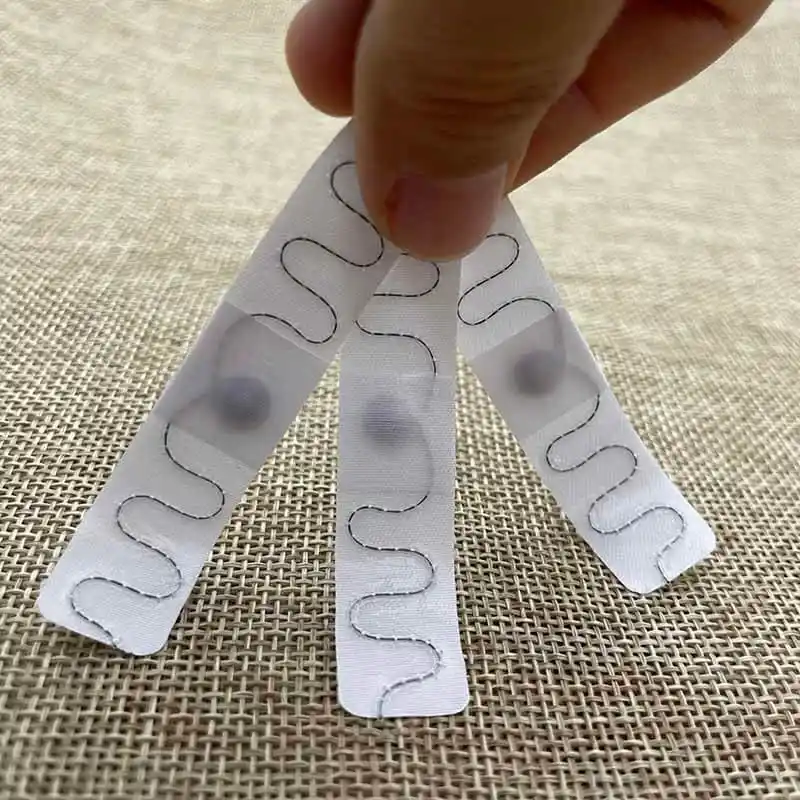
Textile RFID Laundry Tag
Compare eight textile RFID laundry tag models by dimensions, attachment and documented process conditions. Plan a linen pilot with known item counts.
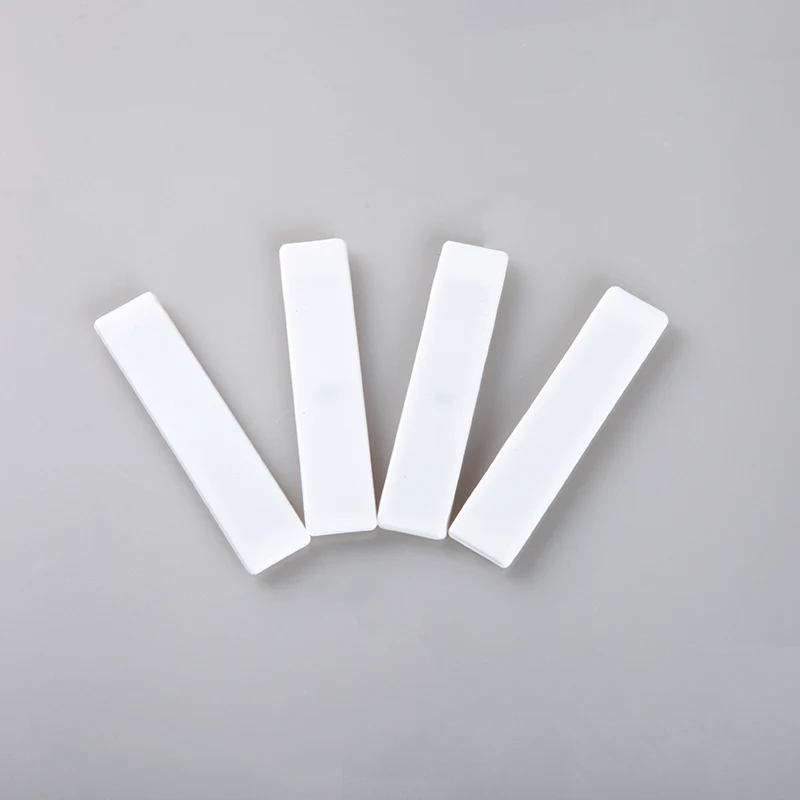
Silicone UHF RFID Laundry Tags
TLD201 is a 55 × 12 × 2 mm, 1 g silicone laundry tag with an Alien H9 UHF reference. Compare the flexible body with PPS buttons and textile tags, and keep…
Check the basis for your decision
Sources and technical references
Chip and standards references describe their own scope. They do not establish a finished product’s read distance, durability or compatibility.
- OEKO-TEX: STANDARD 100 scope
Harmful-substance testing and product classes; this is not a laundry lifetime or pressure certification.
- OEKO-TEX: Certificate status check
Verify the current status and article scope of certificate 23.HCN.97349; a linked historical PDF does not establish current validity.