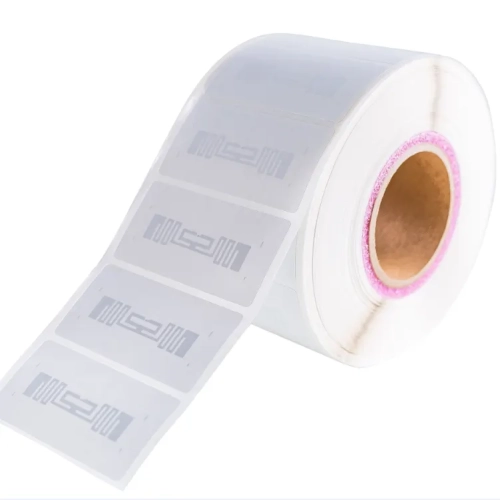
DSCSA RFID 2026: Pharma Traceability, Serialization & Anti-Counterfeit
DSCSA pharmaceutical traceability guide: regulated product identifiers and data exchange, plus a cautious framework for testing optional NFC and UHF workflows.
Topic Cluster
Continue this topic with the next closest guides
These are the articles buyers usually need next when they are moving from basic research into a real shortlist, pilot or compliance discussion.
Medical Device RFID & UDI 2026: Compliance, Tracking & Sterilization
A practical guide to RFID in medical-device tracking, including how UDI rules shape labeling, when direct marking...
Read this nextRFID TECHNOLOGYNFC Anti-Counterfeit Tags 2026: NTAG 424 DNA, SUN & Brand Protection
A buyer guide to secure NFC authentication. Covers when plain URL tags are not enough, how cryptographic NFC works,...
Read this next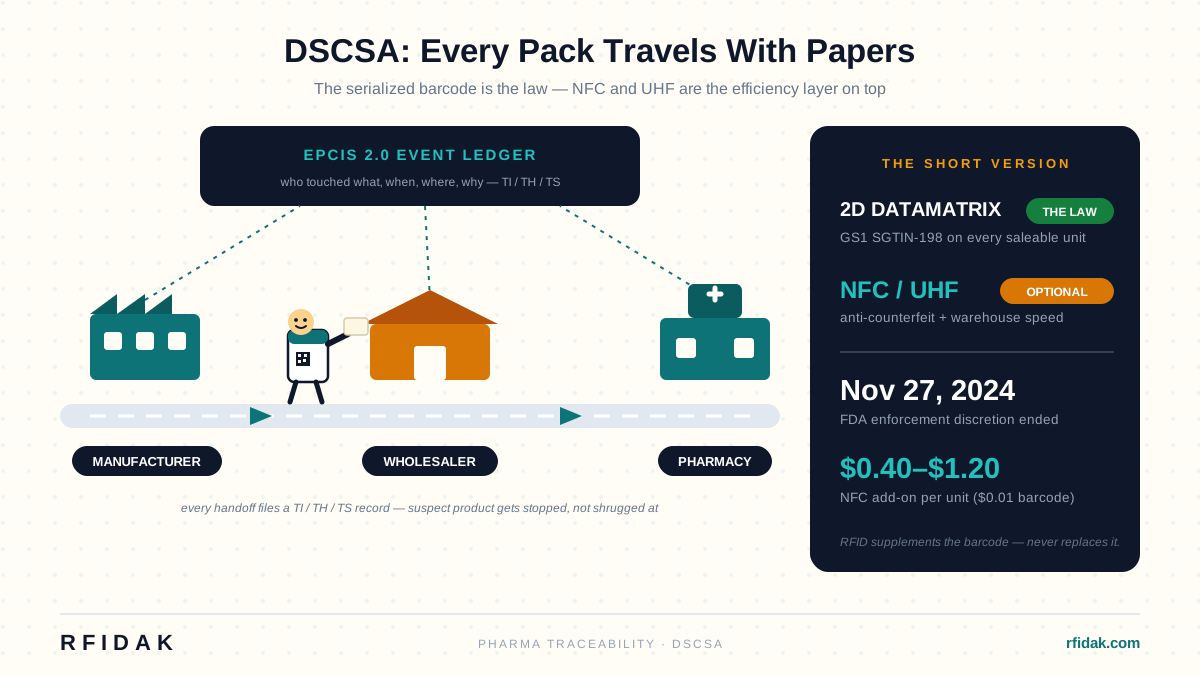
Quick Answer
US DSCSA (Drug Supply Chain Security Act, 2013) requires unit-level pharmaceutical traceability through the supply chain. Enhanced DSCSA requirements have phased implementation and FDA exemptions. The required product identifier is typically presented in a 2D DataMatrix; optional NFC or UHF must be justified and validated for a specific workflow.
Why DSCSA still creates new RFID opportunities
The FDA's enhanced drug distribution security requirements under DSCSA put package-level electronic tracing at the center of pharmaceutical supply-chain discussions. The enhanced system became effective on November 27, 2023, but FDA has announced exemptions and extensions for some trading partners and requirements; check the current FDA schedule for the affected role. It pushed manufacturers, distributors, dispensers and solution providers to think much more seriously about interoperable product identity, EPCIS event data, and authorized trading partner verification. Every pack now travels with papers, and everyone along the route is expected to check them.
Here is the quiet plot twist: DSCSA does not require RFID, yet it keeps creating RFID projects. Serialization alone does not remove every operational bottleneck in warehouses, verification points and exception handling. Once a manufacturer has invested in serial-level data, the cost-benefit math of adding NFC NTAG 424 DNA for anti-counterfeit, or UHF Impinj M730 case tags for warehouse throughput, gets considerably more attractive — the expensive part, the identity layer, is already paid for.
DSCSA Compliance Timeline & Trading Partner Requirements
Different parts of the law turned on at different times — DSCSA arrived less like a light switch and more like a dimmer nudged upward for a decade. Pharma buyers need to understand which deadline applies to them before designing the RFID layer. The table below condenses the key milestones and the data each trading partner has to manage.
| Milestone | Date | Who is affected | What changes |
|---|---|---|---|
| Original DSCSA | Nov 2013 | All trading partners | Lot-level tracing, transaction information (TI / TH / TS) |
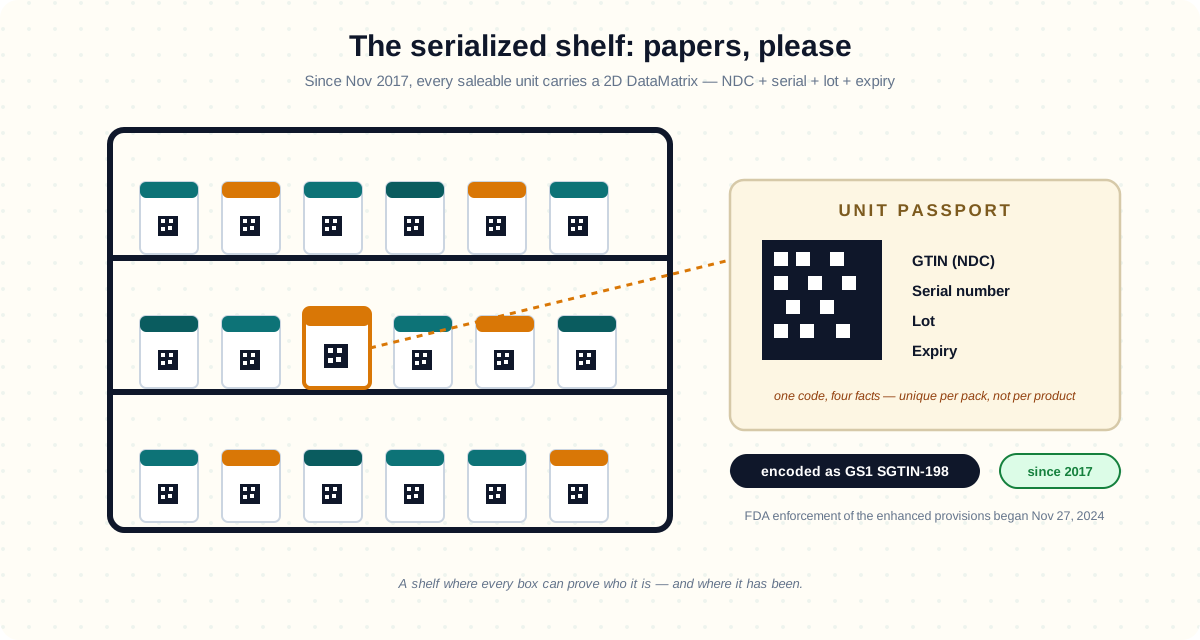
| Manufacturer serialization | Nov 2017 | Mfg + repackagers | 2D DataMatrix on saleable unit (NDC + serial + lot + expiry) |
| Enhanced provisions | Nov 27, 2023 | All authorized trading partners | Unit-level electronic tracing, EPCIS handoff, suspect product flow |
| FDA enforcement | Nov 27, 2024 | All ATPs (staggered to 2025) | FDA actively enforces; data exception fines start landing |
| 2026 stabilization | Q1–Q4 2026 | Dispensers + 3PLs | EPCIS interoperability matures; verification routers active |
For RFID buyers, the most useful takeaway is that DSCSA is now a steady-state regulatory environment, not a moving target — which means hardware investments made in 2026 have a clear regulatory horizon.
What DSCSA is primarily about
At its core, DSCSA is about secure, interoperable and electronic tracing of prescription drugs at the package level. That means product identity, ownership history, verification and response to suspect or illegitimate product events all become more structured. This is a major supply-chain data project before it is a hardware project — the spreadsheet arrives before the antenna does.
Still, once the identity framework becomes more mature, many teams start looking for faster ways to connect physical handling with digital records.
Why serialization does not solve every workflow
Serialized 2D codes are essential for DSCSA, but line-of-sight scanning remains a practical constraint in dense or high-speed environments: a DataMatrix only speaks when spoken to, one label at a time. Case aggregation, pallet handling, staging, internal movement and exception investigation can still involve manual effort. That is the gap where RFID may become useful as a supplemental layer rather than a regulatory substitute.
Where RFID can add value in pharma operations
- The overview artist — internal warehouse and tote visibility (UHF case-level Impinj R700 portals)
- The frequent flyer — case, pallet or returnable asset tracking (RTI tagging on totes & cold-chain shippers)
- The VIP escort — faster handling of high-value or tightly controlled products (oncology, biologics, GLP-1)
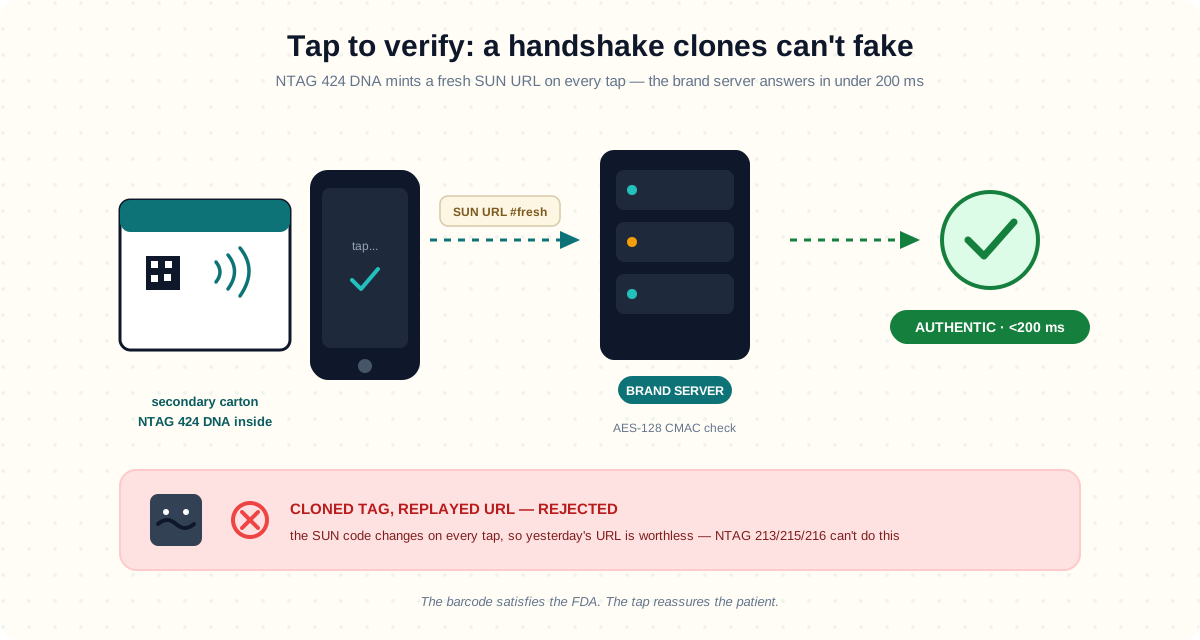
- The bouncer — supplemental anti-diversion via NFC NTAG 424 DNA tap-to-verify on secondary cartons
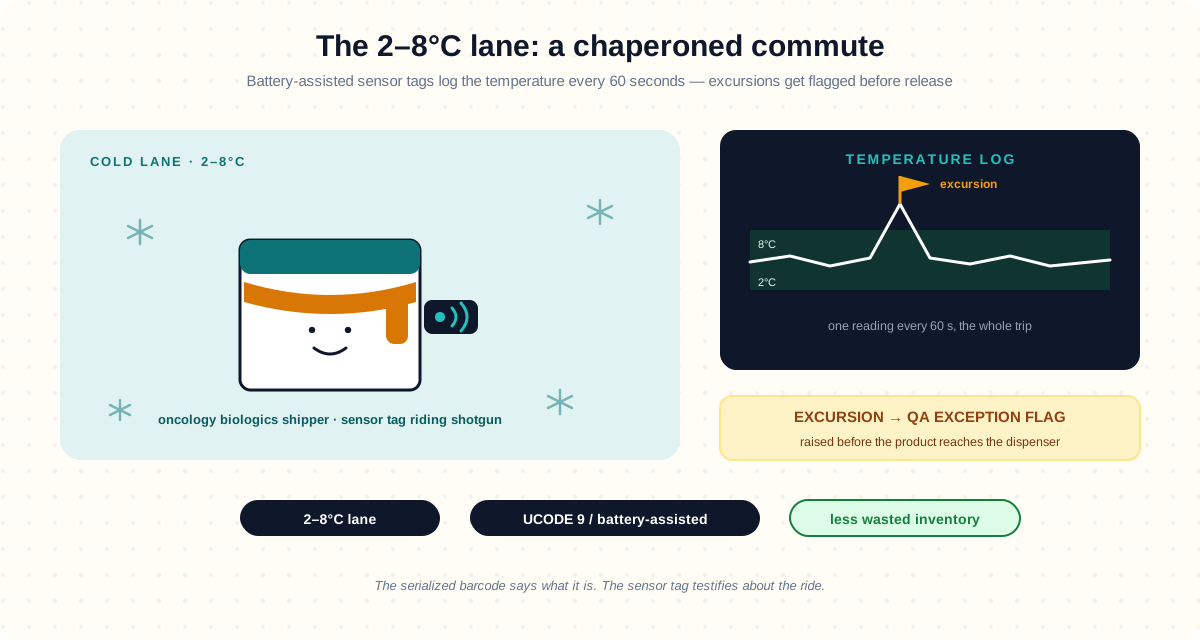
- The chaperone — cold-chain temperature logging via NXP UCODE 9 sensor tags or RAIN battery-assisted tags
- The patience saver — operational reads in areas where repeated manual scans are slow (kitting, returns)
In other words, RFID is often strongest in the movement layer around serialized product, not as a replacement for the regulated identifier. The regulated identifier remains the GS1 SGTIN-198 encoded in the 2D DataMatrix on the saleable unit, exactly as the FDA's Electronic Interoperable System guidance describes.
Optional pharmaceutical RFID pilot patterns
These are illustrative evaluation patterns, not claims about named manufacturers or approved DSCSA implementations. For package authentication, test a separately configured NFC label and maintained verifier without replacing the required product identifier. For warehouse reads, compare a UHF case or tote tag with the existing barcode workflow and confirm the identifier-to-record link. For temperature-sensitive shipping, evaluate a qualified sensor and the quality team's excursion process; the sensor's presence does not establish product release.
Where buyers should be careful
Pharma teams should not assume that adding RFID automatically simplifies compliance — a second identity layer you cannot validate is simply a second thing to audit. The first question is whether the operational problem is real enough to justify the extra layer. The second is whether the chosen tag can survive packaging, handling, privacy and validation requirements in the intended environment.
Questions to ask before sampling
- Is the main goal compliance support, warehouse speed, anti-diversion or all three?
- Will RFID sit at item, bundle, case, tote or pallet level?
- Does the product category justify item-level cost, or is logistics-level tagging smarter?
- Will the tag live on primary packaging, secondary packaging or transport assets?
- How will RFID data connect back to the serialized record and exception workflow?
A realistic starting point
Start where manual handling is most expensive — follow the sighing. That may be returnable containers, higher-value products, or a warehouse zone where scanning creates repeated delay. If anti-counterfeit engagement is also a requirement, compare the operational role of RFID with the customer-facing role of secure NFC authentication before locking the architecture.
DSCSA & Pharma RFID FAQ
Does DSCSA require RFID instead of barcodes?
No. DSCSA requires a 2D DataMatrix encoding GS1 SGTIN-198 + lot + expiry + serial on the saleable unit. RFID (NFC or UHF) is always supplemental in pharma — it never replaces the regulated barcode identifier.
When did FDA enforcement of enhanced DSCSA begin?
The 2023 enhanced provisions took legal effect on November 27, 2023. FDA enforcement discretion ended November 27, 2024, with staggered enforcement onto smaller dispensers continuing through 2025.
Which NFC chip is suitable for pharma anti-counterfeit?
NXP NTAG 424 DNA is the de-facto choice. It supports SUN (Secure Unique NFC) URLs with AES-128 cryptographic message authentication, blocking cloned-tag replay. NTAG 213 / 215 / 216 do not provide cryptographic authentication and are unsuitable for high-value Rx.
Where does EPCIS fit in the DSCSA stack?
EPCIS 2.0 is the GS1 event data standard that captures "what / when / where / why" for each handoff. DSCSA enhanced provisions effectively require EPCIS-quality data exchange between trading partners. RFID reads slot in cleanly as ObjectEvent / AggregationEvent records.
Can UHF RFID survive the small saleable-unit form factor?
For most blister packs and small bottles, item-level UHF is uneconomical and physically constrained — antenna sizes < 30 mm produce poor read range. UHF works best at the case and pallet level; NFC is the better item-level choice for high-value Rx.
Sources
- FDA — Drug Supply Chain Security Act (DSCSA) overview
- FDA — DSCSA Electronic Interoperable System guidance
- GS1 EPCIS 2.0 standard for trading-partner event data
- GS1 US — DSCSA implementation reference for pharma
- NXP NTAG 424 DNA datasheet (SUN authentication)
- Impinj M730 RAIN RFID chip for case-level pharma logistics
- HDA — Healthcare Distribution Alliance traceability resources
Final takeaway
Related compliance guides
Medical device UDI guide • FSMA 204 food traceability • Digital product passport
Key Takeaways
- Regulation: verify the current FDA DSCSA schedule and any exemption for the affected trading-partner role.
- Required: check the applicable package-level product-identifier, tracing and verification obligations; do not assume one EPC scheme for every package.
- Optional add-ons: NFC NTAG424 DNA for anti-counterfeit + UHF for warehouse processing.
- Evidence: treat named manufacturer deployments as examples only when a direct, current source documents the actual product and technology.
- Cost: quote the finished label, validation, data integration and ongoing verifier separately; no universal medicine-value threshold justifies NFC.
⚠️ Common pitfall
DSCSA requires GS1 SGTIN-encoded barcode — you cannot replace it with RFID. Adding NFC/RFID is supplemental for anti-counterfeit and supply chain efficiency, not a substitute for barcode compliance.
DSCSA makes pharmaceutical identity more structured, but not every product is an RFID candidate. RFIDAK supplies UHF RFID labels, clear-label options, and NTAG 424 DNA secure NFC for pharma logistics & anti-counterfeit. Contact us for pilot guidance.
Discuss a regulated RFID workflow before you sample
Use this next step when the project touches UDI, DSCSA or other controlled environments and the team needs a safer pilot path.
Comparison Pages
Compare the closest alternatives before you request samples
Open one of these if the article clarified the topic but the team still needs a cleaner format, chip or frequency decision.
Quick FAQ
Questions buyers often ask after reading this guide
Does DSCSA require RFID on pharmaceutical products?
No. DSCSA requires trading partners to meet product-identifier, tracing and verification obligations for covered prescription drugs; RFID is not the mandated carrier. FDA has issued staged enforcement policies and exemptions, so avoid one blanket compliance date for every trading partner. Verify the current FDA guidance, the package-level identifier and data-exchange workflow before proposing an optional RFID layer.
Where does RFID fit best in pharma traceability?
Potential optional uses include case or pallet association, dock receiving, return handling and temperature monitoring where a validated sensor is needed. Each read must resolve to the correct serialized package or logistics record and preserve exception handling. Neither an RFID scan nor a temperature-tag label by itself proves DSCSA compliance or product condition.
Which pharma distributors use RFID?
Do not infer RFID deployment from a distributor’s DSCSA serialization program. Use a dated primary source naming the exact distributor, tagged unit, reader workflow and measured outcome before citing a customer example. For procurement, test the proposed tag against actual pharmaceutical packaging and the partner data-exchange process.
Can RFID read through pharmaceutical packaging?
Read performance depends on the complete package, liquid contents, foil, orientation, nearby items, tag antenna and reader setup. Test the finished tag on representative cartons, vials or trays at the intended read point. Do not assume a universal attenuation percentage or treat an unreadable optical code as proof that UHF will read.
What is the ROI of adding RFID on top of DSCSA serialization?
There is no transferable ROI percentage. Record the existing task time, error rate, inventory or asset accuracy, waste or loss, and recovery work. Run a representative pilot, measure the same outcomes, and calculate net benefit after tag, reader, software, integration and ongoing costs.
What chip should I use for pharmaceutical RFID?
Choose from the required read point and package construction, then verify the finished tag and reader together. UHF may suit case or pallet operations; a compatible NFC tag can support deliberate phone tap; a separate validated sensor is needed if temperature history is required. The chip choice does not satisfy DSCSA serialization, verification, cold-chain or medicine-safety requirements on its own.
How does RFID help with pharmaceutical saleable returns?
An optional RFID identifier can speed lookup only when it is reliably mapped to the serialized package and the trading partner’s verification data. The returns process must still check the applicable DSCSA requirements and investigate mismatches. Pilot the actual packages and exception path; do not promise a fixed verification-time reduction.
What is the minimum order for pharma RFID tags?
RFIDAK's published standard tags-and-labels MOQ baseline is 1,000 pieces. Confirm the exact chip, antenna, construction, print, encoding and quantity per design in a written quote. Free stock samples (up to 5 pieces) — buyer covers DHL/FedEx freight ($25–60), refunded 1:1 against the first production order over $500. Larger evaluation lots, custom samples, production timing and delivery are agreed separately for the selected configuration. For medical, food, pharmaceutical or battery applications, define the applicable product and process requirements before testing. A tag sample or chip specification does not establish regulatory compliance, sterilization performance or safety of the finished assembly.
Author
RFIDAK RFID Editorial Team
RFID supply editorial team
RFIDAK publishes practical RFID guides to help buyers compare chips, product formats, sampling plans and sourcing options before production.