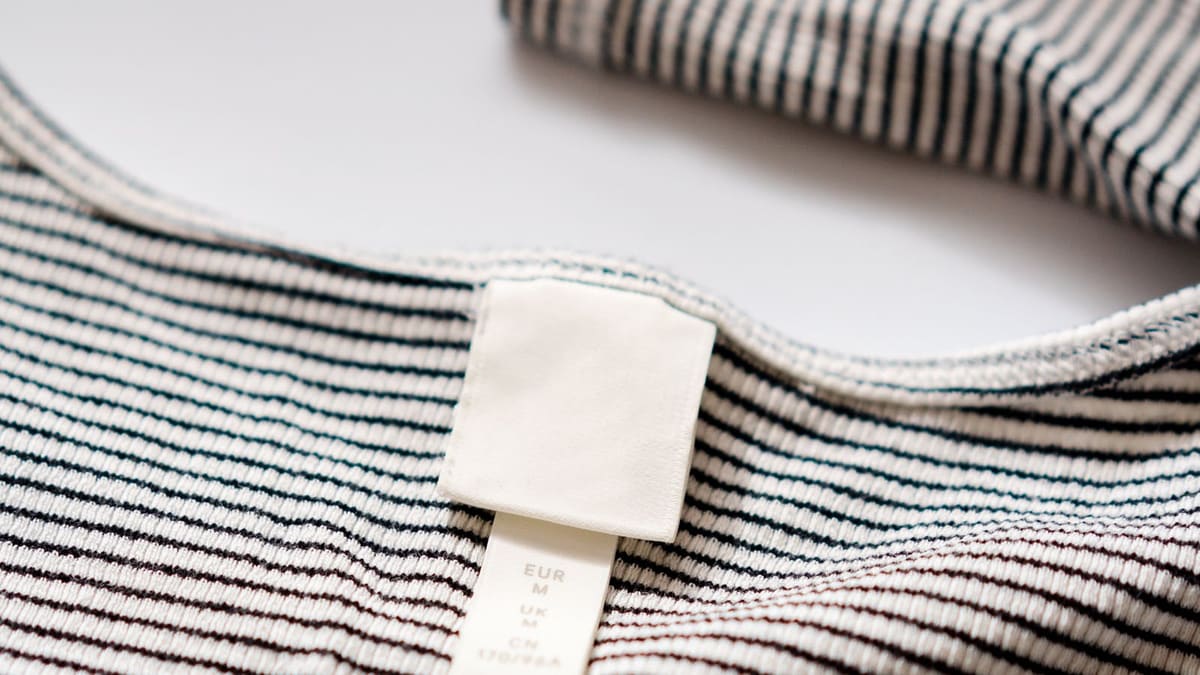
Textile DPP 2026: QR vs NFC vs RFID for Apparel Brands
Textile DPP planning guide: current ESPR timetable, QR, NFC and UHF carrier trade-offs, garment placement and questions to verify before a pilot.
Topic Cluster
Continue this topic with the next closest guides
These are the articles buyers usually need next when they are moving from basic research into a real shortlist, pilot or compliance discussion.
Digital Product Passport (DPP) Guide 2026: NFC, RFID & QR Carrier Choice
A practical guide to comparing QR, NFC and RFID for digital product passport planning.
Read this nextRFID TECHNOLOGYQR vs NFC vs RFID 2026: Digital Product Passport Carrier Decision
Compare QR, NFC and UHF RFID by reader workflow, security and durability when planning a digital product passport;
Read this nextRFID TECHNOLOGYBattery Passport 2026: EV/Industrial RFID, NFC & QR Carrier Guide
A practical guide to battery passport programs. Covers where QR codes fit, when RFID or NFC adds value, and how teams...
Read this nextRFID TECHNOLOGYSunrise 2027 vs RFID 2026: Why 2D Barcodes Won't Replace Item-Level Tagging
A practical guide to the GS1 Sunrise 2027 industry goal. Compare POS-ready 2D barcodes with RFID, retailer...
Read this next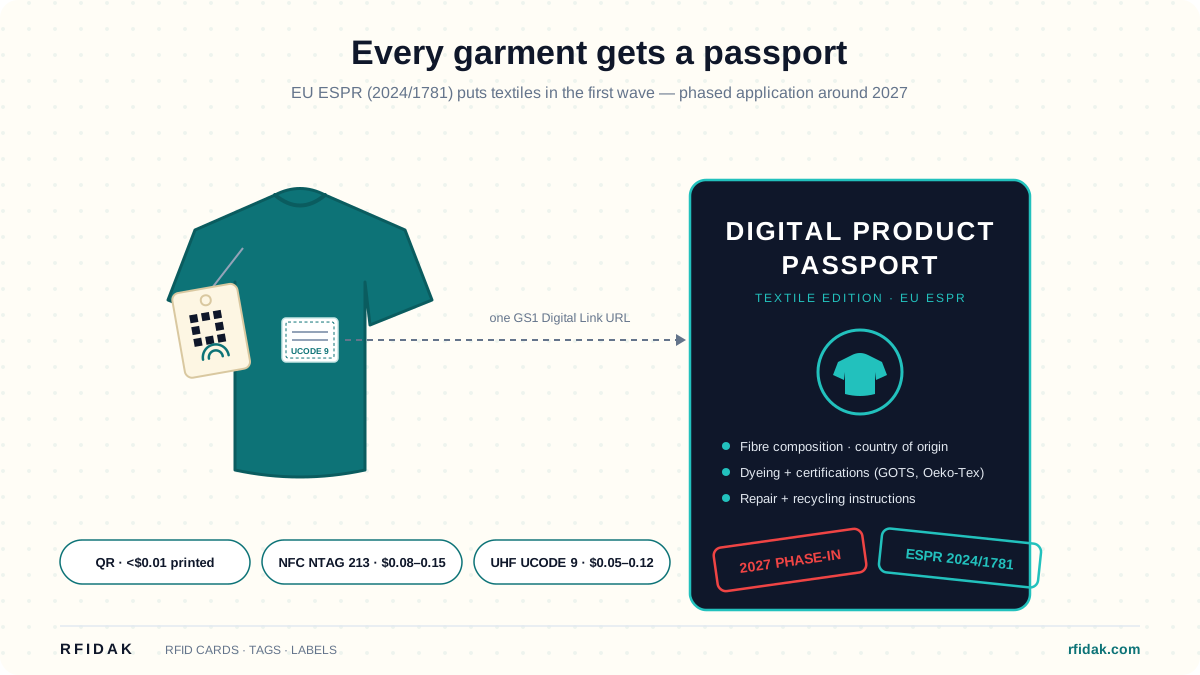
Quick Answer
Textile apparel is an ESPR priority category, but its DPP rules are not final. The European Commission lists Q4 2027 as the indicative date for adopting the textile delegated act, with technical and implementation measures to follow. It has not announced a 2027 textile compliance deadline or mandated NFC, UHF or GS1 Digital Link for garments. Compare carrier placement and durability against the intended workflow, then revisit the final act.
Why apparel DPP is a high-intent topic now
Textiles are no longer a theoretical product-passport category. The European Commission's textile strategy already points toward a Digital Product Passport, and the 2025-2030 ESPR working plan published on July 11, 2025 lists textiles, with a focus on apparel, among the priority product groups under consideration. Translation from Brussels dialect: the passport is coming, and “we'll look at it next season” has quietly stopped being a strategy. DPP just moved from the branding deck into the sourcing, labeling and product-identity calendar.
The practical pilot question is where an identifier should remain readable across the garment's useful life. Compare an optical code, NFC phone tap and UHF operational read points, alone or together. GS1 Digital Link can be an optional web identifier format; an EPC on a UHF tag is mapped to a web record through a backend rather than storing the same URL in the EPC.
Why carrier choice matters so much in apparel
Apparel products move through design, sourcing, distribution, store presentation, consumer use, returns, resale and sometimes recycling. A carrier that works for customer engagement may be poor for store operations; one that works for inventory may be invisible to the shopper. Map those workflows before selecting a carrier, and check the future textile delegated act before making a compliance claim.
Where QR works best
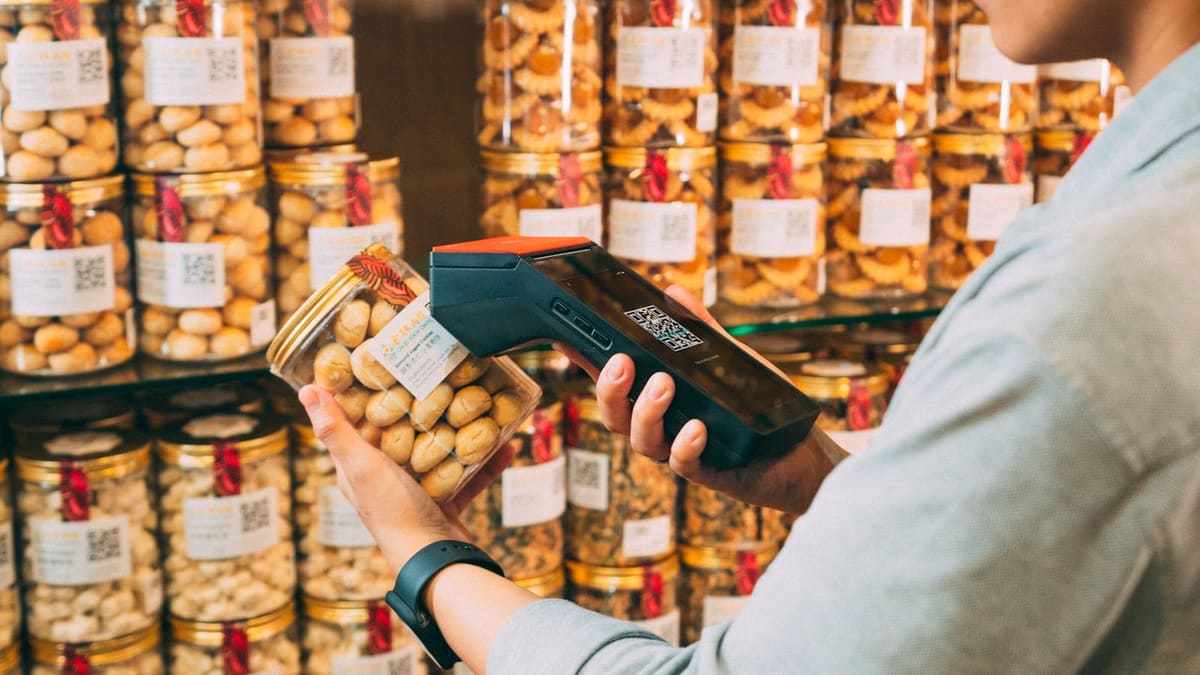
QR is the intern of the carrier family: cheap, familiar, immediately useful, slightly overworked. It is usually the easiest starting point for visible consumer access — low cost, printable and familiar — and for many brands, QR on a hangtag or care-related insert is the fastest way to launch a basic passport experience with material, care, origin and circularity information.
Its weakness is that it depends on a visible code and deliberate camera scanning. It does not automatically support inventory automation — nobody QR-scans a distribution center one garment at a time.
Where NFC makes sense
NFC is the concierge: attractive when the brand wants a cleaner premium interaction. A tap can open care instructions, resale verification, loyalty flows or product registration without asking the user to frame a code — no aiming, no squinting, just contact. It is especially useful for premium fashion, branded accessories and programs where authenticity or post-sale engagement matters.
Where UHF RFID belongs
UHF RFID is the warehouse shift worker — invisible to the shopper, indispensable to operations. It is strongest when the passport project also intersects with retail operations: if the same item identity should support receiving, stock accuracy, omnichannel fulfillment or returns, RFID deserves a serious place in the architecture. It is not a direct substitute for QR or NFC in customer interaction, but it can carry the operational side of the apparel lifecycle far better. A chip name does not establish wash durability or folded-textile read performance. For a persistent sewn-in identifier, compare the exact construction against the care process and test the intended reader with representative garment loads. The textile laundry-tag process table shows how temperature, duration and cycle statements must be qualified.
Carrier Comparison: QR vs NFC vs UHF for Textile DPP
The three carrier families behave very differently across cost, scan ergonomics, durability and anti-counterfeit strength — less like three models of the same product, more like three different job applicants. The table below condenses the trade-offs apparel teams face when choosing a primary identifier for the EU textile DPP.
| Carrier | Read mode | Cost basis | Survives wash | Anti-counterfeit | Pilot role |
|---|---|---|---|---|---|
| QR / DataMatrix | Camera scan, line-of-sight | Artwork, variable data and verification | Only if woven/printed on care label | Weak (clonable image) | Visible access; final legal fit unconfirmed |
| NFC NTAG 213 | Tap, ~3 cm | Chip, antenna, conversion and encoding | Depends on finished construction and care test | Open URL is copyable | Premium hangtag |
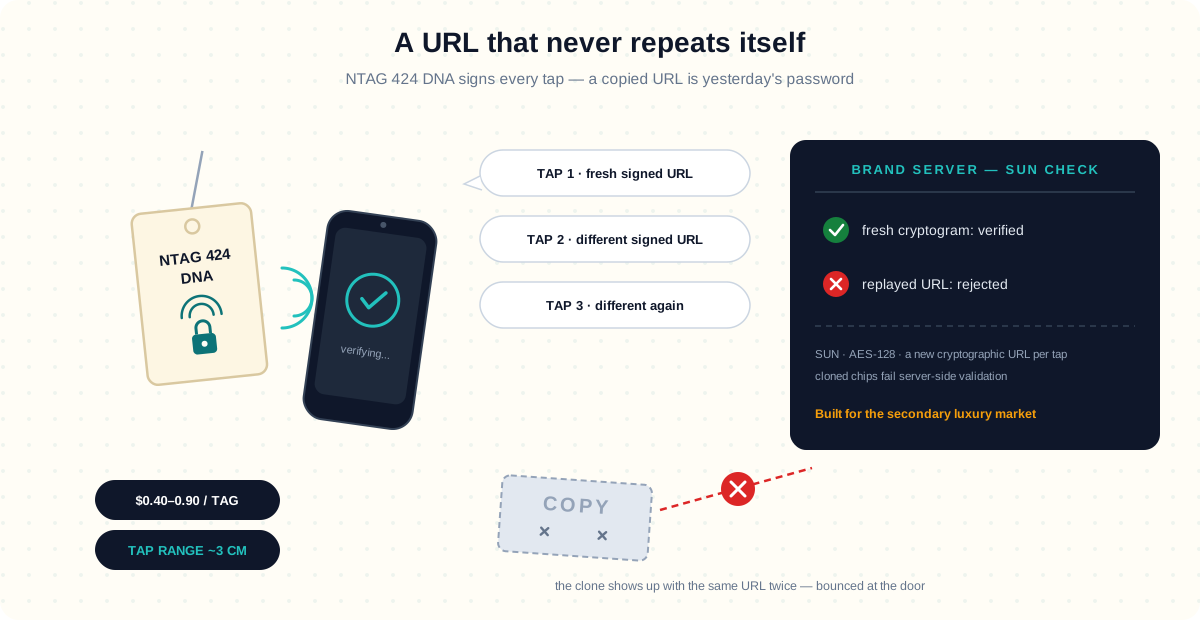
| NFC NTAG 424 DNA | Tap, ~3 cm | Chip, secure service and key operations | Depends on finished construction and care test | Strong (SUN AES-128) | Luxury / resale |
| UHF UCODE 9 | Sled / tunnel, 1–6 m | Inlay, encoding, reader and integration | Model and care-process test required | Check exact chip and application design | DC + retail ops |
A multi-carrier pilot can use a camera-readable code or NFC URL for consumer access and a separately encoded UHF EPC for inventory. Map both identifiers to one product record in the backend and test their different reader paths; this combination is optional, not a stated EU textile requirement.
How placement changes the outcome
- Garment: the lifer — useful when the identity must stay with the product through use or resale
- Hangtag: the first impression — easiest for launch and retail presentation, but may be removed after purchase
- Packaging: the short-term contract — good for logistics or gifting, but weaker if the package is discarded early
Placement is not a cosmetic decision. It determines whether the passport survives the moment of sale — the exact moment most hangtags meet the scissors.
When a combined approach is smartest
Many apparel brands will end up combining carriers, and that is not indecision — it is casting. A visible QR can support broad access. NFC can power premium engagement or authentication. UHF RFID can support store and returns operations. That blended strategy usually makes more sense than forcing one medium to solve every stage of the garment journey; no single carrier has ever wanted all three jobs.
Evidence to request before using a brand example
A public announcement of RFID inventory, NFC engagement or a digital-identity pilot does not prove that a specific garment has a compliant EU textile DPP. For any proposed reference, check the brand's dated primary source, product scope, actual carrier, read workflow and stated results. For your own sample, record these conditions rather than inferring them from another brand's program.
Questions apparel teams should answer before sampling
- Does the passport need to survive after the hangtag is removed?
- Is the main value compliance, consumer storytelling, inventory automation or resale support?
- Will the brand need authentication later for premium or limited collections?
- Should the same carrier work in DC, store and post-sale environments?
- Can the label, trim or hangtag construction physically hold the chosen technology?
Textile DPP & ESPR FAQ
When does ESPR textile DPP enforcement begin?
No textile DPP enforcement date has been fixed. The European Commission lists Q4 2027 as the indicative adoption date for the textile ESPR delegated act. Product-specific requirements and implementation measures will follow; check the final act before setting a compliance date.
Does GS1 Digital Link replace traditional QR codes?
No — it upgrades them. GS1 Digital Link encodes a resolvable URL (e.g. id.gs1.org/01/...) inside the same DataMatrix or QR symbol, so a single scan can reach a DPP landing page or a structured API depending on the resolver. NFC tags can encode the identical URL, giving carrier parity.
Can a single tag survive industrial laundering?
Survival depends on the finished label construction, attachment and full care process, not the chip name. Ask for model-specific exposure evidence, then run attached samples through the intended wash and finishing conditions and repeat the read test.
What data fields must the textile DPP carry?
The textile-specific DPP data fields have not yet been finalized. The future delegated act will define the applicable information and access rules. Collect reliable product data for a pilot, but do not present a candidate field list as a legal minimum.
Is item-level UHF cost-effective for fast fashion?
Calculate this from the actual label, attachment, reader, integration and handling costs, together with the buyer's measured inventory or returns baseline. A chip price or another retailer's deployment cannot establish one-season payback for a new apparel program.
Sources
- European Commission — textile apparel DPP status and indicative timetable
- GS1 Digital Link standard for resolvable product URLs
- NXP NTAG 213 / 215 / 216 datasheet
- NXP UCODE 9 RAIN RFID datasheet
- Oeko-Tex — Digital Product Passport guidance for textiles
- AURA Blockchain Consortium — luxury DPP & provenance
- ITMF — International Textile Manufacturers Federation traceability resources
Final takeaway
Textile DPP tag options
NFC stickers — tap-to-verify on garments
RFID paper cards — hangtag-attached, recyclable
UHF labels — source-level item tagging
Textile tags — sewn-in, survives laundering
Key Takeaways
- Status: the textile delegated act is planned for Q4 2027 adoption on an indicative timetable; no 2027 textile compliance date is set.
- Carrier choice: compare QR for camera access, optional NFC for phone tap and UHF for operational reads.
- Durability: qualify the finished label and attachment through the actual garment care process.
- Data fields: confirm the final delegated act before describing any candidate field list as required.
- Examples: require dated primary evidence for each claimed brand deployment or performance result.
⚠️ Common pitfall
For a carrier that stays on a washed garment, specify the full care recipe, attachment, intended life and read acceptance criteria. Ask for model-specific evidence and validate attached samples; a generic “washable” or cycle-count label is not a complete RFQ.
Textile DPP is becoming a real planning track for apparel brands. The right carrier depends on where the product identity needs to work after the item leaves the factory. Compare with our broader digital product passport guide, our NTAG 424 DNA secure NFC guide, or contact RFIDAK for sample advice.
Turn this identity strategy into a tag shortlist
Best for teams deciding between QR, NFC and RFID and now needing help with tag placement, material fit, sample options or pilot scope.
Comparison Pages
Compare the closest alternatives before you request samples
Open one of these if the article clarified the topic but the team still needs a cleaner format, chip or frequency decision.
Quick FAQ
Questions buyers often ask after reading this guide
Should an apparel DPP live on the hangtag or the garment?
If identity must remain accessible after sale for care, repair or resale, test a carrier attached to the garment rather than a removable hangtag alone. The textile-specific EU DPP rules are still under development, so no hangtag or care-label design can yet be called compliant solely by its placement. Validate wash durability, readability and the final product-specific requirements.
Is QR enough for textile Digital Product Passport?
The final textile DPP carrier requirements have not yet been defined. A printed QR code can be evaluated for low-cost camera access, but it cannot already be called the minimum ESPR-compliant solution, and GS1 Digital Link is not generally mandatory. Check the future textile delegated act and test any label through the real garment lifecycle.
Which NFC chip is best for a textile DPP hangtag?
First define the identifier, URL, lifecycle and expected user interaction. A QR code may be sufficient for camera access; NTAG21x can support an open NFC URL, while NTAG 424 DNA can support cryptographic message verification when configured with a verifier. The future textile-specific EU DPP rules have not yet fixed a mandatory chip. Test durability, phone readability and total system cost on the actual garment.
Do I need UHF RFID on apparel for DPP?
No general ESPR textile DPP requirement currently specifies UHF RFID. A retailer may impose its own source-tagging specification, which must be checked for the actual program and approved inlay. A UHF EPC can identify an item for inventory and be mapped to a product record; it does not itself store a GS1 Digital Link web URL. Treat retail RFID requirements and EU DPP obligations separately.
Where on the garment should I place the NFC or QR DPP carrier?
Four standard placements. Hangtag (easiest, lowest cost, removed at POS); care label sewn into the seam (survives garment life, supports resale and repair workflows); woven main label (premium, branded); exterior brand label or patch (marketing visibility, lower durability through wash). For mass market, hangtag QR + care-label QR is common. For premium long-lifecycle, care-label NFC NTAG424 DNA persists across resale and repair cycles. Test carrier survivability through wash cycle before committing.
Which apparel brands are already piloting textile DPP?
Published examples need a dated primary source showing the exact product, identifier and carrier before they can be used as model-specific evidence. General item-level RFID use does not prove a brand has launched an EU-compliant textile DPP. The European Commission currently lists textile apparel as a priority group and Q4 2027 as the indicative adoption date for its delegated act.
How much does textile DPP cost per garment?
Budget the complete workflow: tags, readers and antennas, installation, data integration, software, training, maintenance and exceptions. Get configuration-specific quotes and measure the current process against a limited pilot before estimating payback. No universal hardware price or payback period applies across sites.
When should I start my textile DPP pilot?
Start when you can define a representative garment, data owner, identifier and test workflow. The European Commission currently gives Q4 2027 as the indicative adoption date for the textile ESPR delegated act; it has not announced a 2027 textile compliance date. A pilot can compare durable QR, optional NFC and operational UHF, but record assumptions and revisit them when the final textile requirements are published.
Author
RFIDAK RFID Editorial Team
RFID supply editorial team
RFIDAK publishes practical RFID guides to help buyers compare chips, product formats, sampling plans and sourcing options before production.